Tea for the Immune System: What It Can and Cannot Do
Immune-boosting teas are a big seller every winter. Here is what echinacea, elderberry and friends can and cannot do, and what actually helps your body fight off colds.
When colds start going around, shelves fill up with teas promising to boost or support your immune system. Echinacea, elderberry, ginger and green tea often appear in these blends.
A warm drink can be a real comfort when you feel run down. But can a tea actually make your immune system stronger? Here is a fair look at the claim, what the research shows, and what you can do instead.
Why the idea is so appealing
The idea is simple: drink the right herbs and you will catch fewer colds, or get over them faster. Some products do change parts of immune function, and that is often where the claims begin.
Harvard Health points out that the concept of boosting immunity makes little sense scientifically. Your immune system is not one switch you can turn up. It is a complex network, and simply making more immune cells is not necessarily a good thing.
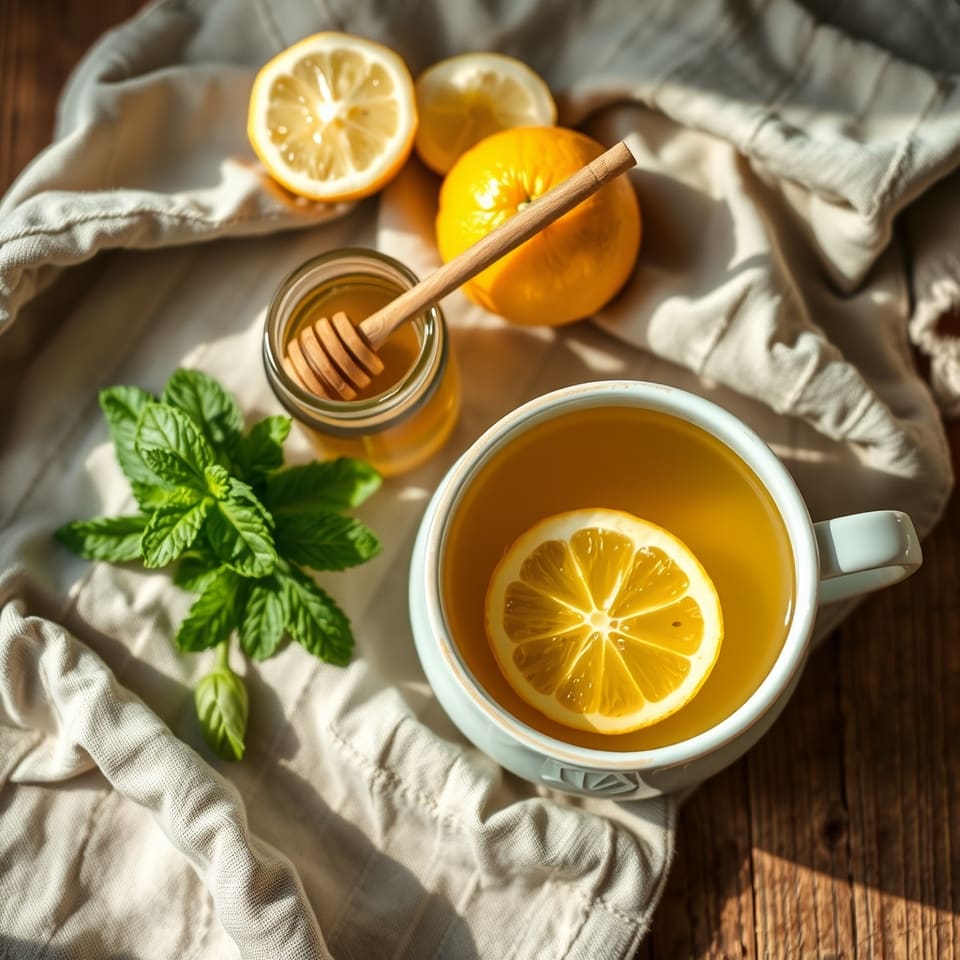
Warm Lemon, Mint and Honey Tea
You need
- water, just off the boil250 ml (1 cup)
- fresh mint leaves, or 1 tsp dried mint5 to 6
- thin slices of lemon2 to 3
- honey, optional (not for babies under 12 months)1 tsp
Method
- Put the mint leaves and lemon slices in a mug. Bruise the mint lightly with a spoon.
- Pour over the hot water, cover with a saucer and steep for 5 minutes.
- Remove the mint if you prefer a milder taste.
- Let it cool to a comfortable sipping temperature, then stir in the honey.
- Sip slowly, and refill the mug with water through the day to keep your fluids up.
Tips
- Add a few thin slices of fresh ginger in step 2 for a warmer flavor.
- Lemon verbena, chamomile or a cinnamon stick are all good caffeine-free swaps for mint.
- Adding honey once the tea has cooled a little makes it easier to taste the herbs.
What the evidence says
Harvard Health says that while some products change parts of immune function, there is no evidence that they actually bolster immunity.
Echinacea. NCCIH says it has not been convincingly shown to help colds, although some products may have a weak effect. Products vary a lot, and some people are allergic to it.
Elderberry. A small number of studies suggest it may ease cold or flu symptoms, but NCCIH says there is not enough information to be sure. Raw or unripe berries, leaves and stems contain substances that can cause nausea, vomiting and severe diarrhea. Cooking removes this risk.
Garlic and ginseng. NCCIH says there is not enough evidence that garlic prevents colds, and American ginseng has not been shown to reduce how many colds people catch.
Vitamin C. For most people it does not prevent colds and only shortens them slightly.
So a herbal tea will not shield you from colds or flu. What it can do is keep you drinking fluids and soothe a scratchy throat.
What really supports your immune system
Harvard Health calls a generally healthy lifestyle the single best step for keeping your immune system working properly. That means not smoking, eating plenty of fruit and vegetables, being active, keeping alcohol moderate, getting enough sleep, managing stress and staying up to date with recommended vaccines.
Preventing infection matters too. The NHS advises washing your hands often with warm water and soap, not sharing towels or cups, and trying not to touch your eyes and nose. NCCIH says vaccination is the best protection against flu, and that no herbal product should replace it.
If you do catch a cold, the NHS recommends rest, plenty of fluids and eating well. A warm lemon and honey drink can soothe a sore throat. Antibiotics do not help colds, because colds are caused by viruses.
Questions people ask
Is there any tea that boosts the immune system?
No tea has been shown to boost immunity in healthy people. Warm drinks can help you stay hydrated and soothe your throat, which is useful when you are ill.
Should I drink echinacea tea every day in winter?
Evidence that echinacea prevents colds is weak, and products vary a lot. If you enjoy it and are not allergic, an occasional cup is a personal choice, not a form of protection.
Can tea replace a flu vaccine?
No. NCCIH says vaccination is the best protection against flu and that natural products should never replace it.
Sources
- How to boost your immune system — Harvard Health Publishing
- Colds, Flu, and Complementary Health Approaches: Usefulness and Safety — NCCIH
- Elderberry: Usefulness and Safety — NCCIH
- Common cold — NHS
This article is for general information only and is not medical advice. Herbs can interact with medicines and health conditions. Talk to a doctor or pharmacist before trying a herbal remedy, especially if you are pregnant, breastfeeding, giving it to a child, or taking any medication.