Orange Blossom Water Drink: A Mediterranean Evening Cup
A spoonful of fragrant orange blossom water in a cup of warm water is a simple evening ritual around the Mediterranean. Here is how to make it, and what science can and cannot say.
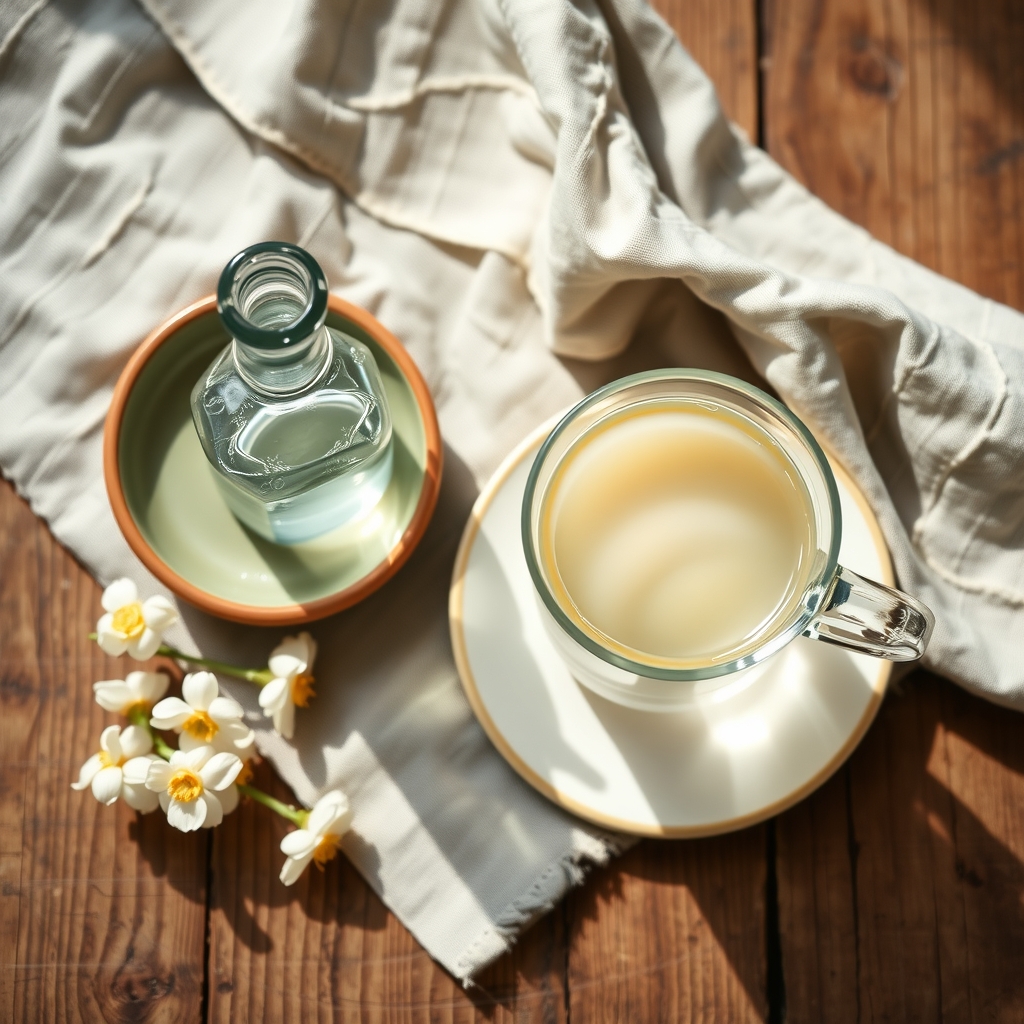
In spring, the bitter orange trees of the Mediterranean are covered in small white flowers with a heady, sweet scent. For centuries, people have distilled those blossoms into a clear, fragrant water used in pastries, syrups, and drinks.
In parts of the Levant, a few drops in a cup of hot water is served after dinner as a caffeine-free nightcap, sometimes called white coffee. In Cyprus and Greece, the same flower water perfumes sweets and festive dishes. Here is how to make the drink, what the research actually shows, and how to stay safe.
What orange blossom water is
Orange blossom water is the watery liquid left after the flowers of the bitter orange tree are steam-distilled. It carries a soft floral aroma but very little else, so it is used by the teaspoon, not the cup.
It is not the same as neroli, the concentrated essential oil made from the same flowers. Essential oils should never be swallowed. Only use a bottle sold as a food or cooking ingredient, usually found in the baking aisle or at Middle Eastern and Greek grocers. Floral waters sold for skin care or as room sprays are not made to be eaten.
Warm Orange Blossom Water
You need
- hot water, just off the boil250 ml (1 cup)
- food-grade orange blossom water1/2 to 1 teaspoon (2.5 to 5 ml)
- honey, for adults and children over 12 months only1 teaspoon (optional)
- unwaxed orange or lemon peel1 strip (optional)
Method
- Boil fresh water and let it cool for a minute or two, to about 80 to 90°C (175 to 195°F).
- Pour the water into a cup. Add the citrus peel if using.
- Stir in half a teaspoon of orange blossom water. Taste and add a little more if you like. Strength varies a lot between bottles.
- Sweeten lightly with honey if you wish, and sip slowly once it is cool enough to drink.
Tips
- Start with less. Too much orange blossom water can taste soapy rather than floral.
- Adding it after the water has cooled slightly keeps more of the delicate scent.
- Keep the bottle tightly closed in a cool, dark place, and check the use-by date. The aroma fades once opened.
A tradition in European calming teas
Bitter orange flower has a long place in European herbal tradition. A European Medicines Agency review of calming herbal tea blends notes that orange flower was listed in a sedative tea formula in the Austrian pharmacopoeia of 1960 and in a Swiss formula in 1972.
It still turns up in some licensed calming tea blends in Europe. However, regulators treat it as a minor ingredient there, added mainly to improve aroma and taste, while herbs such as valerian, lemon balm, and lavender are counted as the active ones.
What the evidence says
The honest answer is that there is very little evidence for drinking orange blossom water to help you relax or sleep. The US National Center for Complementary and Integrative Health says bitter orange has not been clearly shown to help with any health purpose, and that evidence on its aroma for anxiety or sleep is unclear.
Most of the safety worries about bitter orange relate to weight-loss and sports supplements made from the fruit, which contain a stimulant called synephrine. Those concentrated products are very different from a teaspoon of flower water in a cup. NCCIH notes that bitter orange in the amounts found in food is likely safe.
So think of this drink as a pleasant, warm, caffeine-free way to end the day rather than a sleep aid. Good sleep habits, such as a regular wake-up time and skipping tea and coffee for several hours before bed, matter far more.
Questions people ask
Is orange blossom water the same as orange juice or orange extract?
No. It is distilled from the flowers, not the fruit, so it tastes floral rather than fruity and contains almost no sugar. Orange extract is usually made from the peel and tastes quite different.
Will orange blossom water help me sleep?
There is no good evidence that it does. A warm, caffeine-free drink can be part of a relaxing routine, but it is not a treatment for insomnia.
Can children have it?
A few drops in a sweet or drink is a common food use. Keep amounts small, use a food-grade bottle only, and leave out the honey for babies under 12 months.
Sources
- Bitter Orange: Usefulness and Safety — National Center for Complementary and Integrative Health (NCCIH)
- Assessment report on Species sedativae — European Medicines Agency
- Insomnia — NHS
This article is for general information only and is not medical advice. Herbs can interact with medicines and health conditions. Talk to a doctor or pharmacist before trying a herbal remedy, especially if you are pregnant, breastfeeding, giving it to a child, or taking any medication.