Natural Ozempic? The Truth About Berberine and Supplements
Berberine is being sold online as nature's answer to weight-loss injections. The evidence is far weaker than the hype, it has real interactions, and fake or unapproved versions of the medicines carry their own risks.
Prescription weight-loss injections such as semaglutide have changed how many people think about weight. They have also sparked a wave of products and videos claiming to offer a natural Ozempic, most often the plant compound berberine.
It is easy to see the appeal: no prescription, a lower price and the word natural. But there is no natural version of a prescription medicine. Here is what the research on berberine and other popular supplements actually shows, who should avoid them, and why the FDA is warning people about fake and unapproved versions of the real medicines.
What berberine is
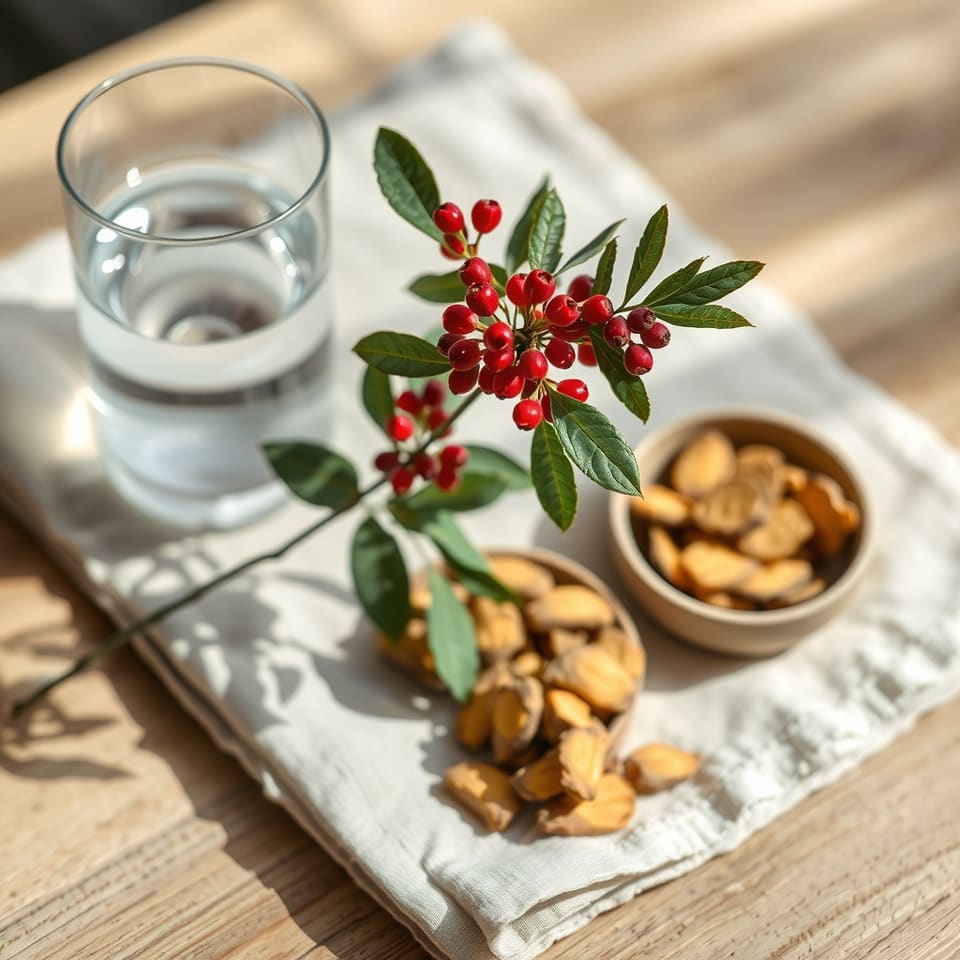
Berberine is a bitter, yellow compound found in several plants, including goldenseal, barberry and Oregon grape. NCCIH notes that these plants have a long history of use in Ayurvedic and traditional Chinese medicine, for example for infections and digestive problems.
Researchers are studying berberine for its effects on diabetes and heart disease risk factors, and it has recently become popular online as a weight-loss aid. Popularity on social media, however, is not the same as proof.
What the evidence says
NCCIH describes a 2022 review that pooled 18 studies on body weight and 23 on body mass index. People taking berberine did show decreases, mainly at doses above 1 g a day taken for more than 8 weeks. But many of the studies had a high risk of bias, the results were inconsistent, doses and products varied widely, and most participants already had conditions such as diabetes or fatty liver disease. NCCIH's verdict is that berberine might help with weight, but the evidence is not conclusive.
Other supplements sometimes sold as natural alternatives look no better. The NIH Office of Dietary Supplements says there is little scientific evidence that weight-loss supplements work. It found that garcinia cambogia and the fiber glucomannan have little to no effect on weight, and that green tea extract, unlike green tea as a drink, has been linked to liver damage in some people.
In short, there is no good evidence that any supplement can replace prescription weight-loss medicine. The approach with proven benefit remains healthy eating, fewer calories and regular physical activity, with medical help when needed.
FDA warnings about fake and unapproved semaglutide
The FDA reports that counterfeit Ozempic has been found in the US supply. Counterfeits may contain the wrong ingredients or the wrong amount of the active ingredient, and they are illegal.
The FDA also stresses that compounded semaglutide and tirzepatide are not FDA approved, and the agency does not review them for safety, effectiveness or quality before they are sold. It has received hundreds of adverse event reports for each, including some hospitalizations linked to dosing errors. Some products labeled for research use only or not for human consumption are still sold to people, and the FDA urges you not to buy them. So-called salt forms, such as semaglutide sodium, are different active ingredients from those in the approved medicines.
Red flags include deep discounts, no prescription needed and no licensed doctor to follow up. The FDA advises getting these medicines only with a prescription from your doctor, filled at a state-licensed pharmacy.
What to do instead, step by step
Step 1: If you are thinking about weight-loss medicine, talk to your doctor. They can tell you whether a prescription option is suitable and safe for you.
Step 2: Before trying berberine or any supplement, show the label to your doctor or pharmacist and list every medicine you take.
Step 3: Never buy injections online without a prescription, and never use a product labeled for research use only.
Step 4: Focus on habits that help in the long run: regular meals with plenty of vegetables and fiber, water instead of sugary drinks, daily movement and enough sleep.
Step 5: If something sounds too good to be true, as the Office of Dietary Supplements puts it, it probably is.
Questions people ask
Is berberine really nature's Ozempic?
No. Berberine is a plant compound, not a prescription medicine like semaglutide, and NCCIH says the evidence that it helps with weight is not conclusive.
Is compounded semaglutide the same as the approved medicine?
No. The FDA says compounded drugs are not FDA approved and are not reviewed for safety, effectiveness or quality before they are marketed. Talk to your doctor about approved options.
Can I take berberine with my diabetes medicine?
Only if your doctor agrees. Berberine is being studied for its effects on blood sugar, so combining it with diabetes medicines needs medical supervision.
Sources
- Berberine and Weight Loss: What You Need To Know — NCCIH
- FDA's Concerns with Unapproved GLP-1 Drugs Used for Weight Loss — U.S. Food and Drug Administration
- Dietary Supplements for Weight Loss — NIH Office of Dietary Supplements
- Detoxes and Cleanses: What You Need To Know — NCCIH
This article is for general information only and is not medical advice. Herbs can interact with medicines and health conditions. Talk to a doctor or pharmacist before trying a herbal remedy, especially if you are pregnant, breastfeeding, giving it to a child, or taking any medication.