Other languages (Google Translate)
Home › Search
26 results for “bloating”
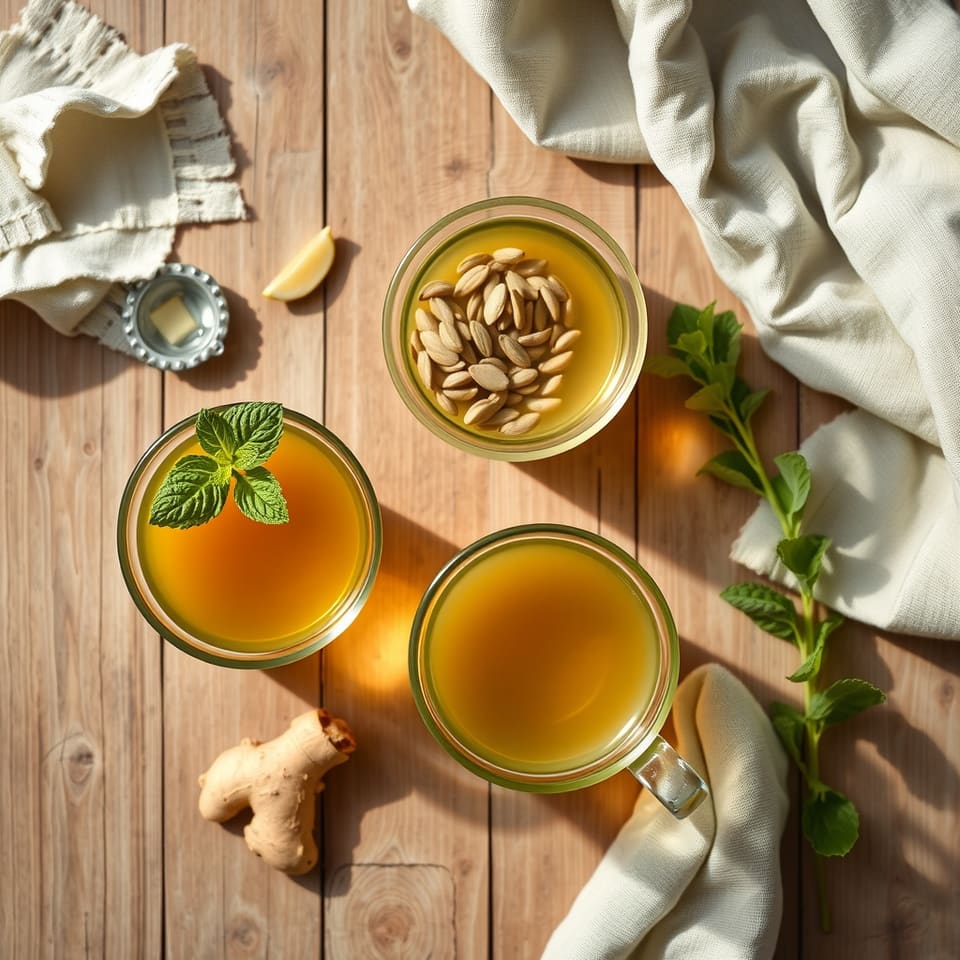
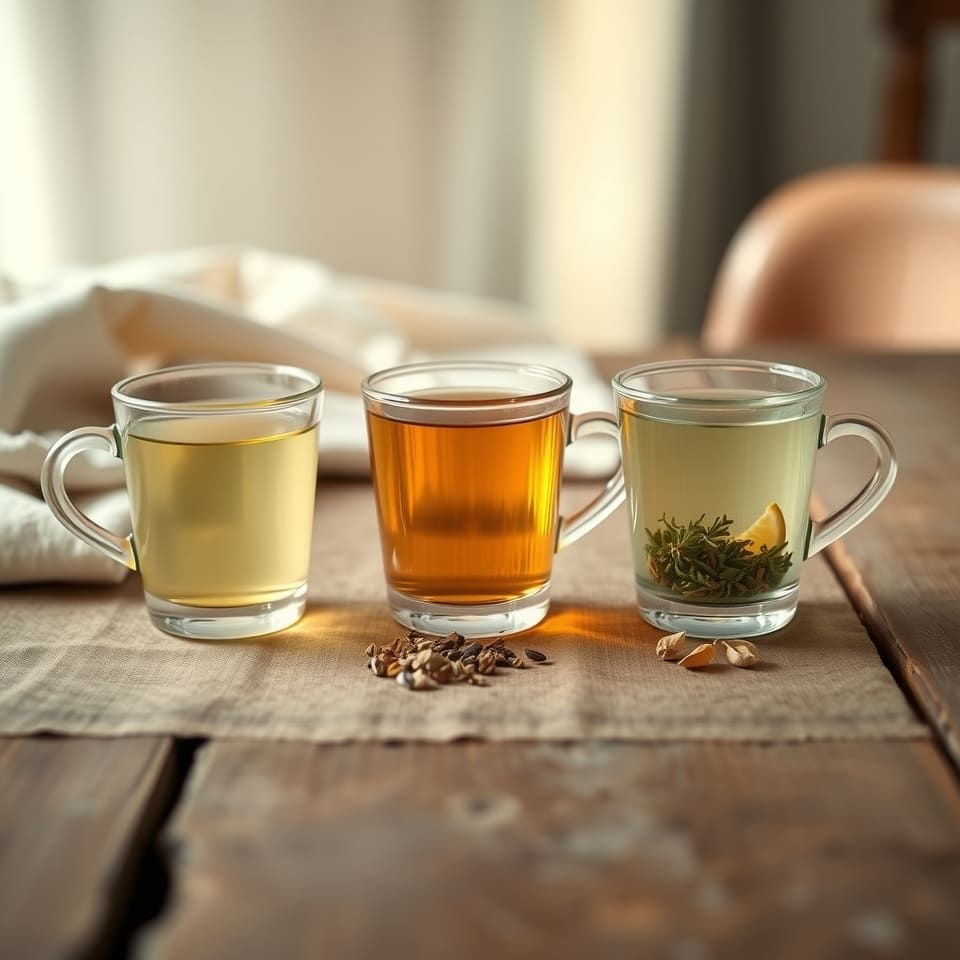
Three teas turn up again and again for a tight, gassy tummy. Here is how they differ, which one may suit you best, and who should pass on each.
A sweet, aniseed-scented tea with a long history as an after-meal comfort. Here is how to make it and use it sensibly.
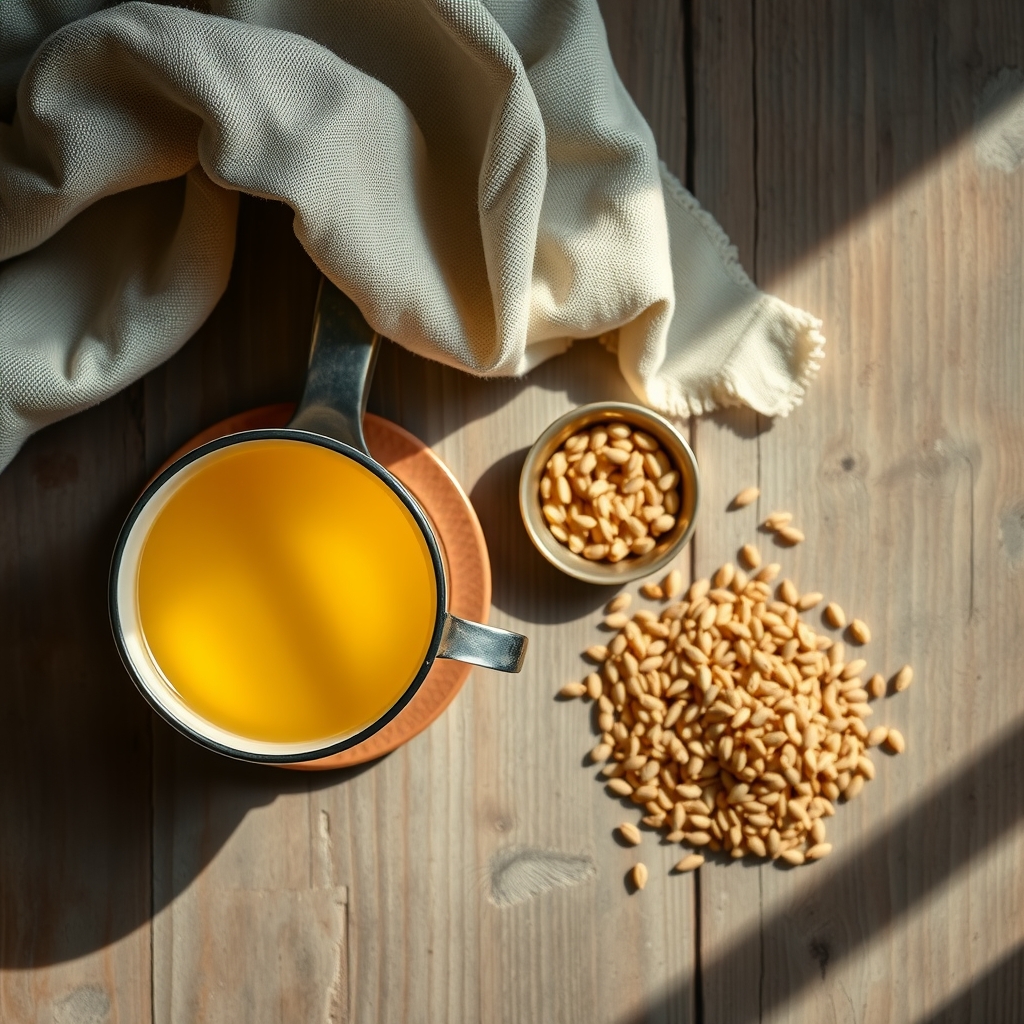
The seed you know from rye bread also makes a warm, earthy tea. Here is how to brew it for occasional wind and bloating, and who should skip it.
If you get heartburn, the tea in your cup matters. Some popular teas are well-known triggers, while a mild herbal cup may sit more comfortably. Here is what to try, what to skip and what the evidence really says.
A warm cup can be a calm part of life with irritable bowel syndrome. But the research is about peppermint oil capsules, not your teapot, and what you leave out of your cup may matter as much as what you put in.
From Europe to the Middle East and the Americas, a cup of chamomile is a familiar answer to a heavy, bloated stomach. Here is what it is traditionally used for, where the evidence stops, and the signs that need more than a cup of tea.
A fragrant, caffeine-free cup that many cultures enjoy after a meal. Here is how to make it and what science can and cannot say about it.
Small seeds with a sweet licorice scent, brewed into a warm after-dinner cup. Here is how to make aniseed tea and use it sensibly.
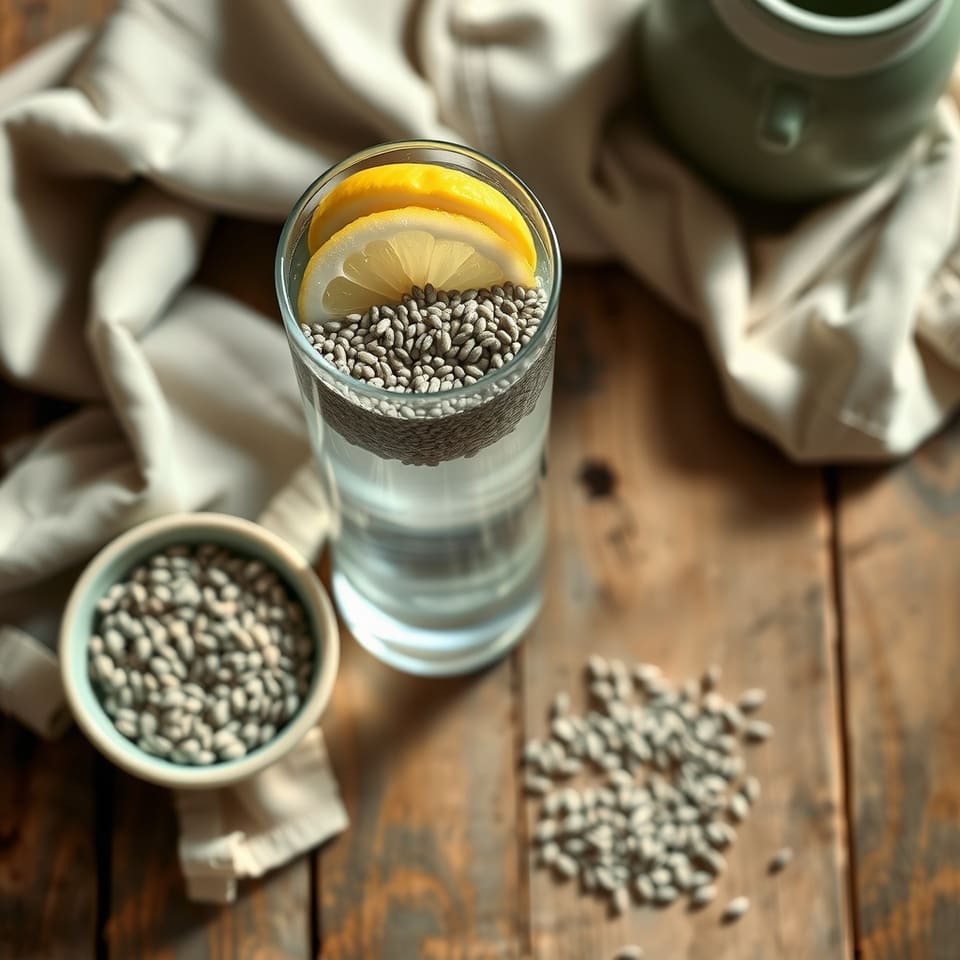
Chia seeds turn water into a soft gel that many people find filling. The key safety rule is simple: always soak them first. Here is how, plus an honest look at what chia can and cannot do.
A gentle, citrusy tea made from a spice you probably already own. Here is how to brew it, and an honest look at what is known.
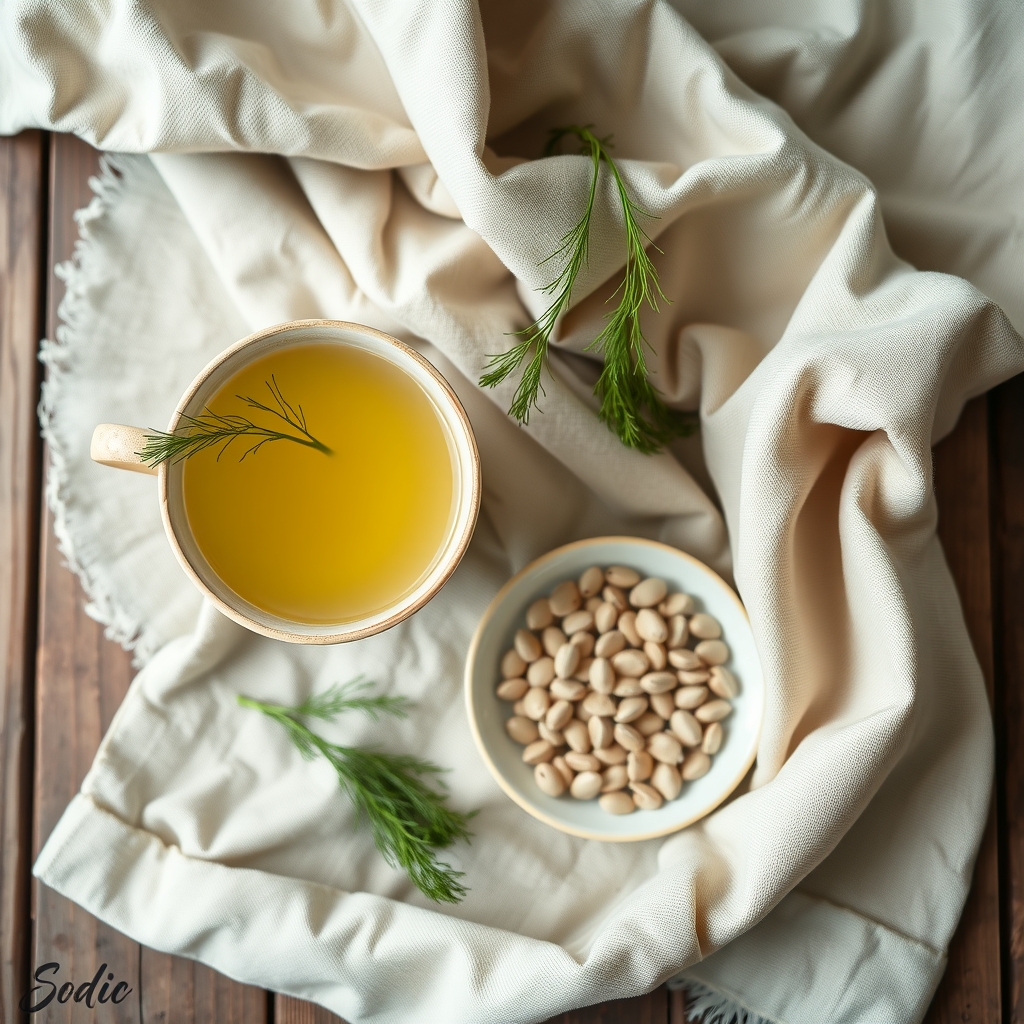
Dill water has a long folk history, especially for windy babies. Here is what the evidence actually shows, and how adults can enjoy a simple cup of dill seed tea.
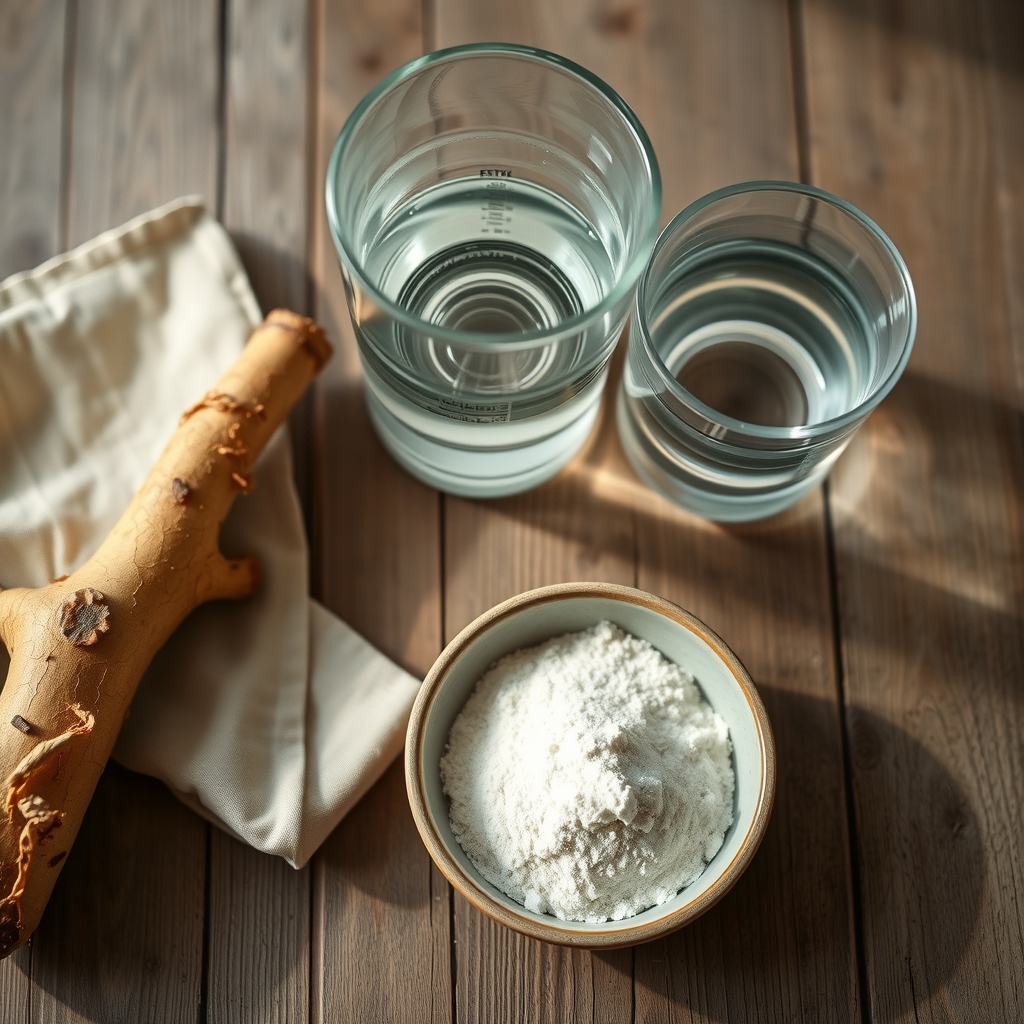
Glucomannan is a fiber from the konjac root that swells in water and is often sold as a way to feel full. Here is what the research actually shows, and the safety rule that matters most.
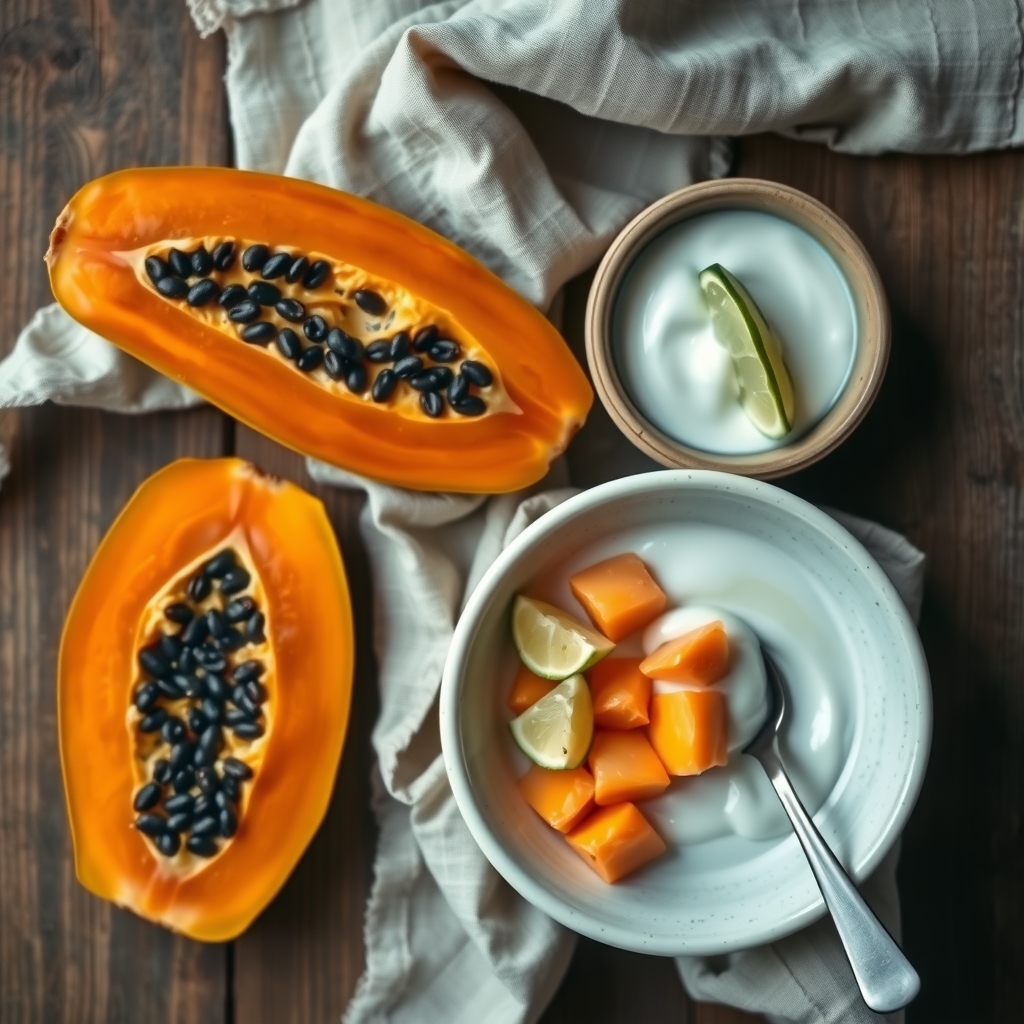
Ripe papaya is soft, sweet and full of fiber and water, which makes it a friendly fruit for your gut. But it is a food, not a treatment, and the research behind the bigger claims is small.
Psyllium husk is a plant fiber that swells into a soft gel in water. It can help keep you regular and may add to a feeling of fullness, but it must be taken with plenty of liquid. Here is how to do it safely.
Three gentle evening teas, three different personalities. Here is how chamomile, linden and lemon verbena compare, what Europe's herbal medicine experts actually recognize each one for, and who should skip which.
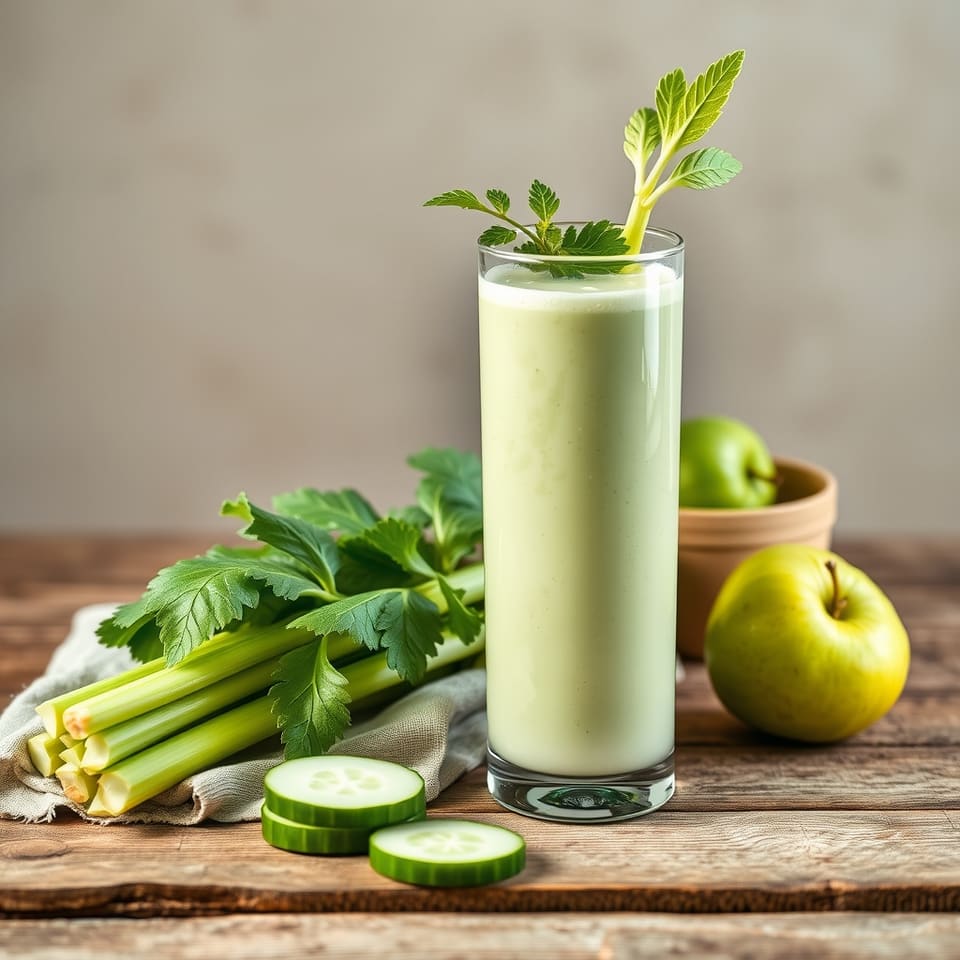
A glass of celery juice every morning has become a wellness ritual. It can be a pleasant way to get some vegetables, but the big detox claims do not hold up. Here is the honest picture.
A few drops of green liquid in a glass of water made chlorophyll water a social media star. Here is what is actually in the bottle, what research shows, and an easier way to get your greens.
Some herbal teas turn soft and creamy with a splash of milk, while others clash with it or even make it curdle. Here is how to choose, how to brew strong enough, and what to know about milk itself.
Liver cleanses promise to flush out toxins and stones. Here are the most common claims, what doctors and researchers actually say about each one, and why the liver does not need a flush.
Social media says almost everyone has hidden parasites and needs an herbal cleanse. Here is what parasites really are, why self-treating with herbal kits is a bad idea, and how doctors actually find and treat them.
A jug of water with fruit and herbs is a lovely way to drink more. Here is what detox water can and cannot do, a simple recipe with variations, and the safety points most recipes leave out.
A mug of warm milk at bedtime is a loved habit, but the proof that it helps sleep is thin. Here is what is known, who should skip it and how to make a gentle cup.
A bright, lemony leaf tea that many families in Cyprus and Greece drink after dinner. Here is how to brew it gently and what is actually known about it.
A gentle, lemony cup that has long been used to take the edge off a busy day. Here is how to brew it, and what is and is not known about it.
A cup of sage tea is an old European habit after heavy meals. It is also one of the few kitchen herbs where the amount really matters, because of a compound called thujone.
Yarrow is a feathery-leaved meadow plant with flat clusters of white flowers. Its bitter tea has a long history for appetite and mild tummy troubles, but it is not for everyone.
Put your shop, brand or service in front of people reading about herbs, natural skin care and home remedies, in English and Greek.