Tea for IBS: Which Teas May Help and What the Evidence Says
A warm cup can be a calm part of life with irritable bowel syndrome. But the research is about peppermint oil capsules, not your teapot, and what you leave out of your cup may matter as much as what you put in.
Irritable bowel syndrome, or IBS, is a common condition of the digestive system. The NHS describes symptoms such as stomach cramps, bloating, diarrhea and constipation, which often come and go in flare-ups. The good news is that changes to diet and lifestyle, and some pharmacy medicines, can help.
Tea comes up a lot in conversations about IBS, from peppermint to chamomile to ginger. This article looks at where tea can fit into your routine, where the real evidence lies, and why a few simple changes to what you drink may be the most useful step of all.
Your drinks and your triggers
The NHS lists caffeine and alcohol among the possible triggers of IBS flare-ups, along with spicy or fatty food and stress. Its advice is to have no more than 3 cups of tea, coffee or other caffeinated drinks a day, and to avoid large amounts of alcohol and fizzy drinks.
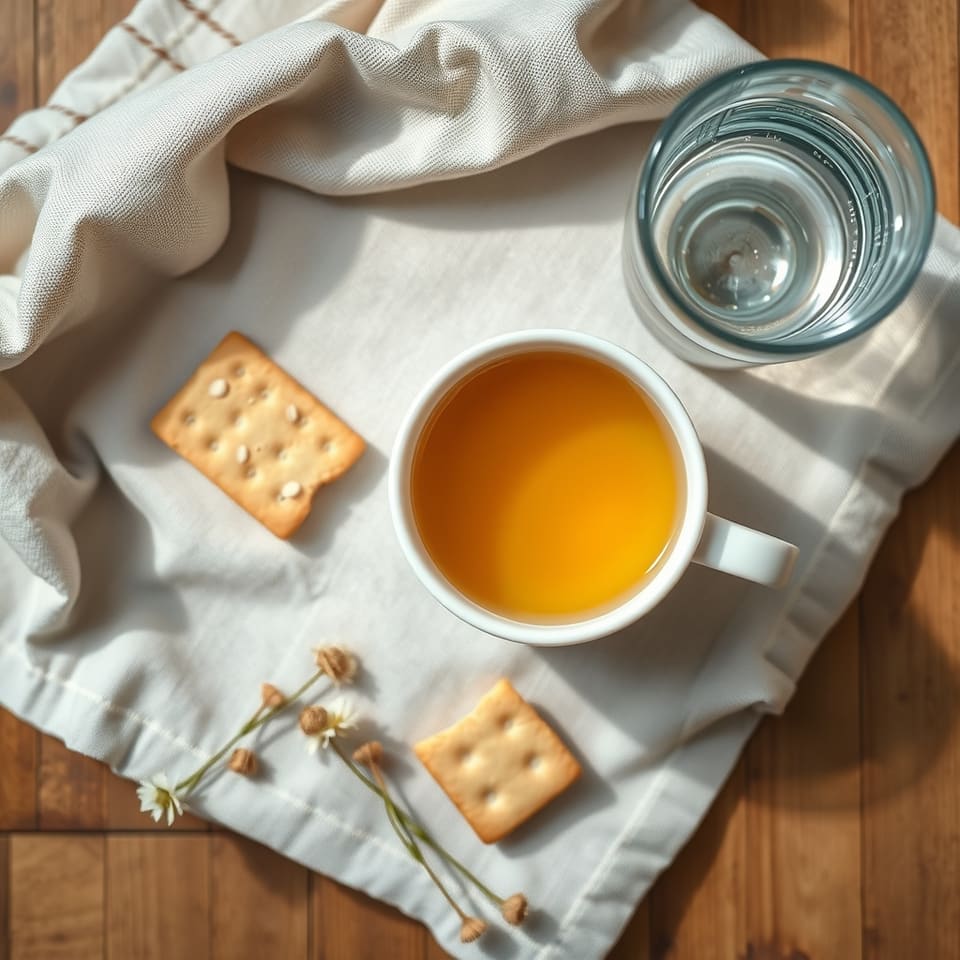
It also suggests aiming for about 1.5 liters (about 6 cups) of fluid a day, and names herbal tea, along with water, as a good non-caffeinated choice. So for many people the most practical role of herbal tea is simple: it can replace a second or third coffee or a fizzy drink.
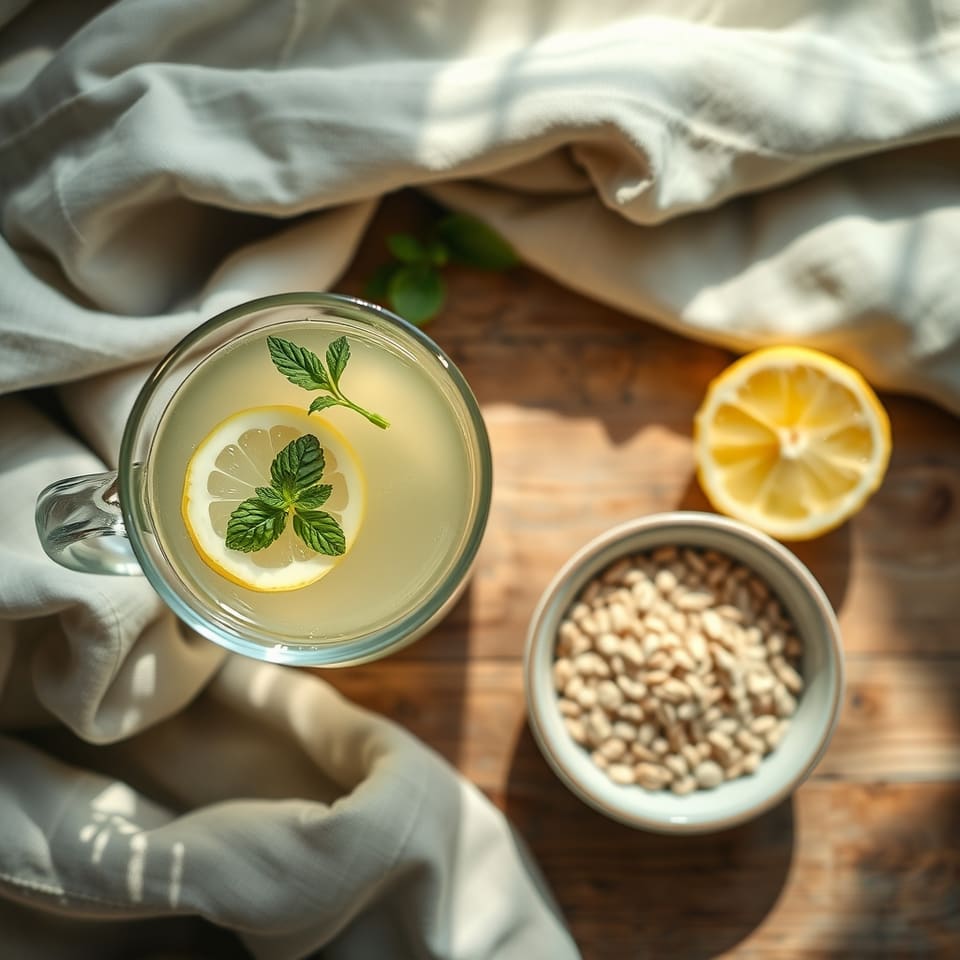
Watch for hidden sweeteners too. The NHS advises people with bloating or diarrhea to avoid products containing sorbitol, a sweetener found in some sugar-free drinks, syrups and sweets. Keeping a food and drink diary for a few weeks, as the NHS recommends, can show you which cups suit you and which do not.
Fresh Peppermint Tea, Plain and Gentle
You need
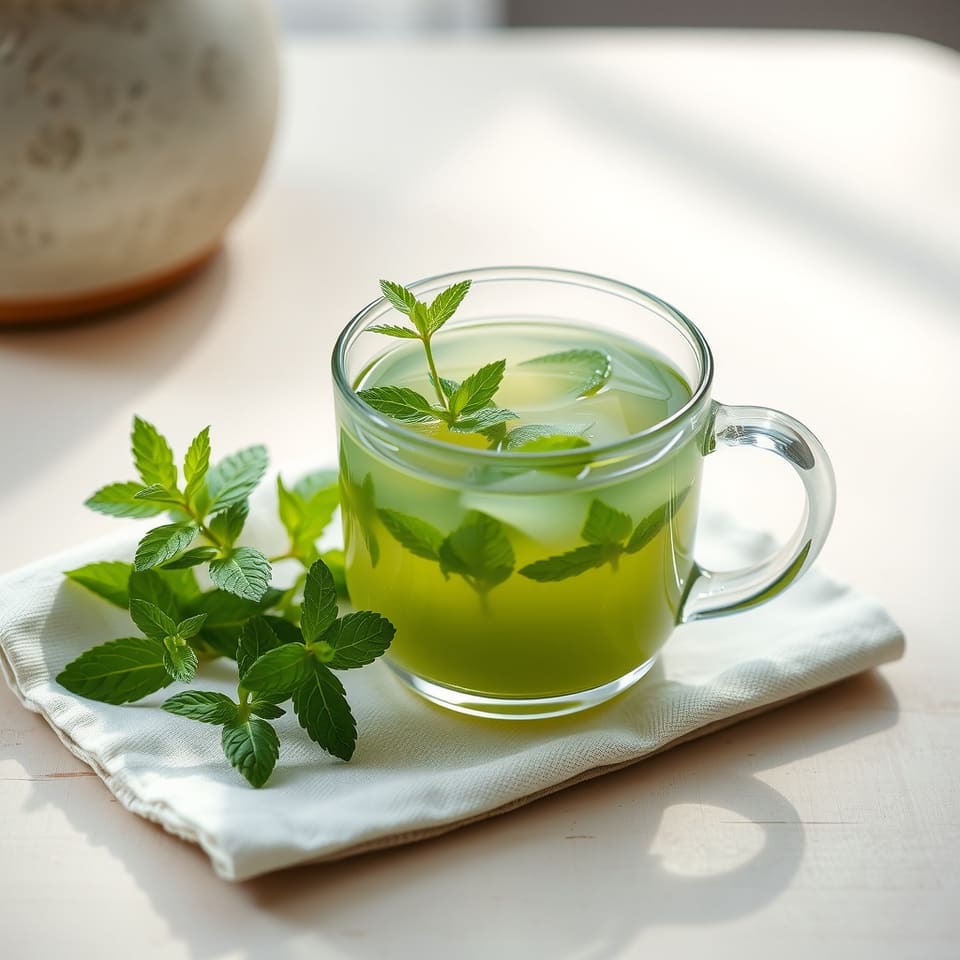
- fresh peppermint leaves, rinsed (or 1 tsp dried peppermint)8 to 10
- water, freshly boiled250 ml (1 cup)
Method
- Gently bruise the fresh leaves between your fingers to release their aroma.
- Put them in a mug and pour over the freshly boiled water.
- Cover and steep for 5 to 7 minutes. A longer steep gives a stronger, more bitter cup.
- Remove the leaves, let the tea cool a little and sip it slowly.
Tips
- Drink it unsweetened, or check that any sweetener you use does not contain sorbitol.
- Try swapping one caffeinated drink a day for this tea and note in your diary how you feel.
- If peppermint gives you heartburn, a mild cup of chamomile or a slice of ginger in hot water are caffeine-free alternatives.
Peppermint: tea and capsules are different
Peppermint is the herb with the most research behind it for IBS, but almost all of that research is on peppermint oil, not tea. NCCIH says enteric-coated peppermint oil capsules, which are coated to lower the chance of heartburn, may improve IBS symptoms in adults. A 2022 review found they worked better than a placebo for overall symptoms and tummy pain, though they also caused more side effects, most of them mild.
The NHS also lists peppermint oil as one of the pharmacy options for bloating and cramps in IBS. If you want to try it, ask a pharmacist which product and dose suit you. Never swallow essential oil straight from a bottle; capsules made for this purpose are a different thing.
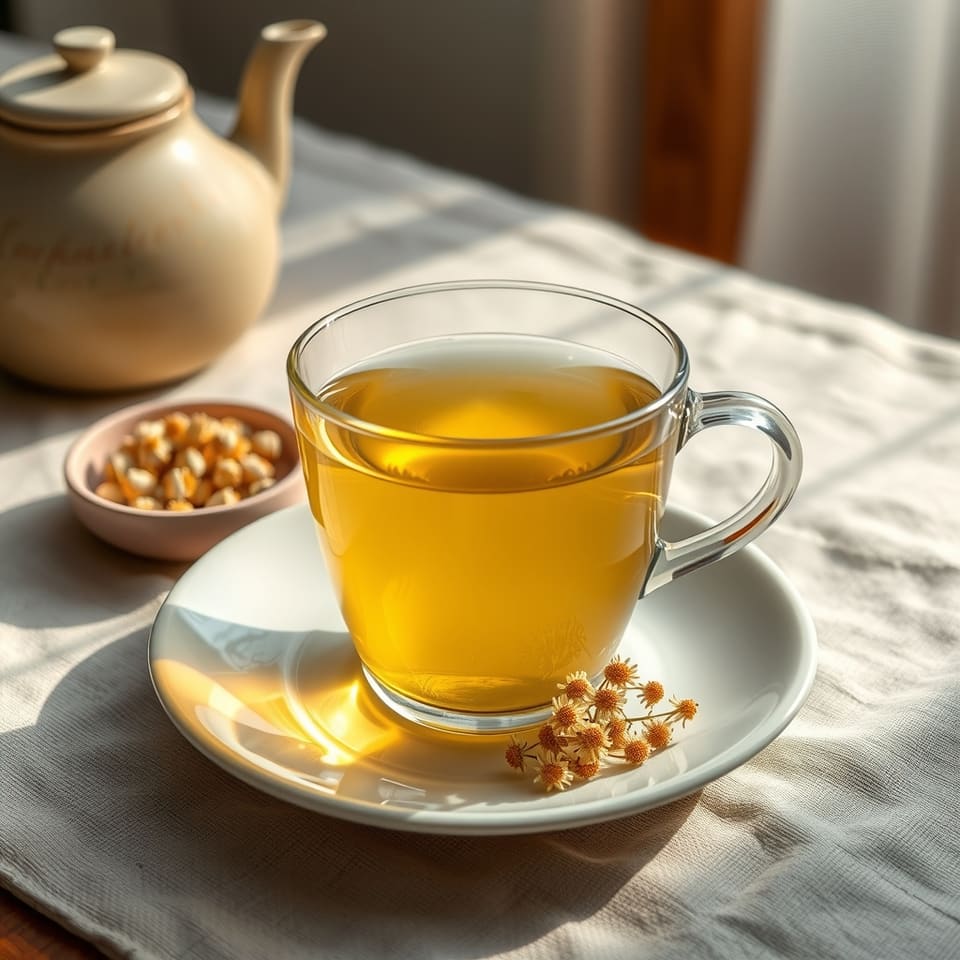
Peppermint tea is a much weaker, uncoated drink. NCCIH says peppermint tea appears to be safe. Many people with IBS simply enjoy it as a soothing, caffeine-free drink, and that is a perfectly good reason to have it.
What the evidence says
The best evidence is for peppermint oil capsules, and NCCIH notes that a 2021 guideline from the American College of Gastroenterology recommends them for overall IBS symptoms. For peppermint tea itself, and for other popular choices such as chamomile, fennel or ginger tea, we found little research looking at IBS specifically. That does not mean they are useless, only that nobody can promise they will help.
The NHS also suggests trying probiotics for a month, eating regularly and slowly, finding ways to relax and getting plenty of exercise. Tea works best as one small part of that bigger picture, not as a treatment.
Questions people ask
Is chamomile tea good for IBS?
It is a gentle, caffeine-free choice, and NCCIH says it is likely safe in tea amounts. But we found no good research on chamomile and IBS. Avoid it if you are allergic to ragweed, daisies, marigolds or chrysanthemums, and ask your pharmacist first if you take warfarin.
Do I have to give up coffee and black tea?
Not necessarily. The NHS suggests no more than 3 cups of caffeinated drinks a day. A diary can show whether caffeine is one of your triggers.
Is peppermint tea as effective as peppermint oil capsules?
No one knows, because the studies tested coated capsules, not tea. The tea is weaker and acts differently, so do not expect the same results.
Sources
This article is for general information only and is not medical advice. Herbs can interact with medicines and health conditions. Talk to a doctor or pharmacist before trying a herbal remedy, especially if you are pregnant, breastfeeding, giving it to a child, or taking any medication.