Glucomannan for Feeling Full: Evidence and Risks
Glucomannan is a fiber from the konjac root that swells in water and is often sold as a way to feel full. Here is what the research actually shows, and the safety rule that matters most.
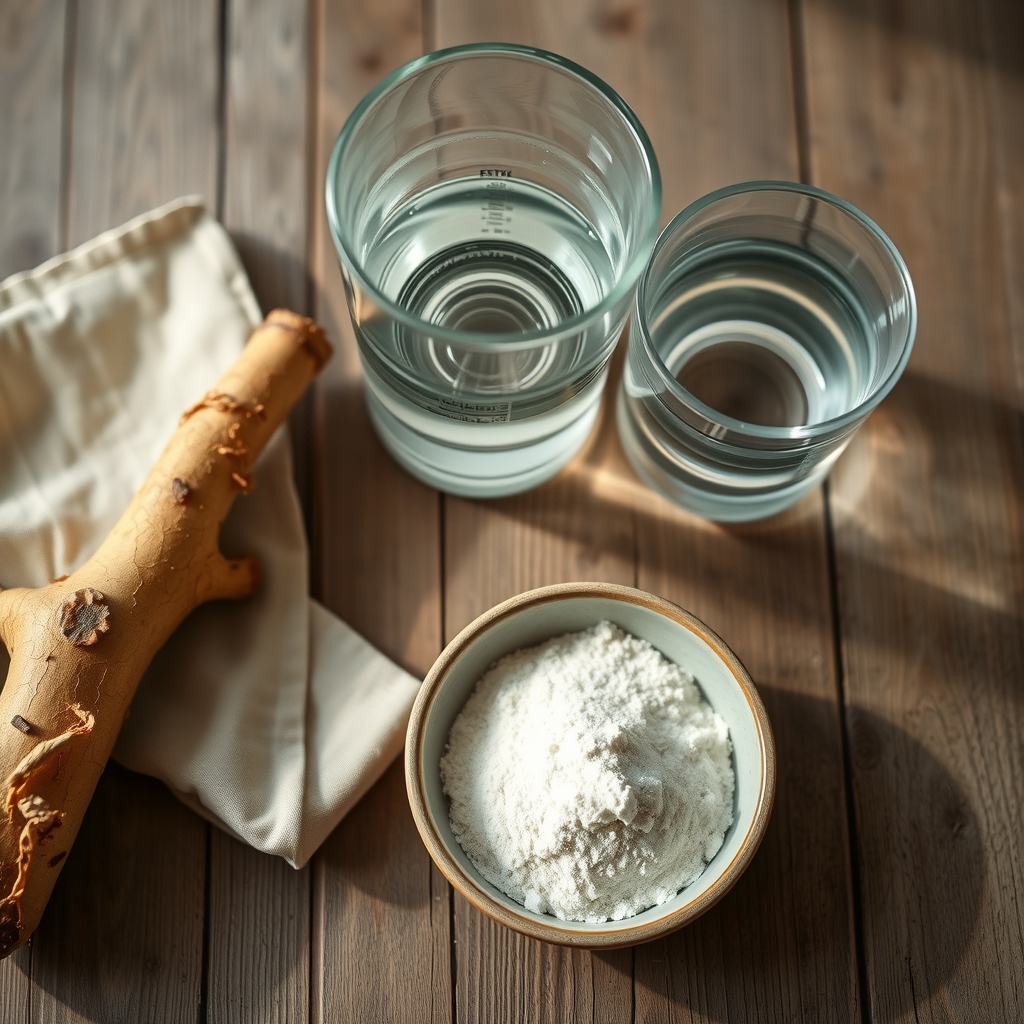
If you have looked at fiber supplements, you have probably seen glucomannan. It comes from the root of the konjac plant, and it is famous for one thing: it soaks up a lot of water and turns into a thick gel.
That gel is the reason it is sold as a way to feel full. It is also the reason it needs real care. This guide explains what glucomannan is, what the studies show about fullness, and how to avoid the main safety problem, which is swallowing it without enough water.
What glucomannan is and why people use it
Glucomannan is a soluble fiber. The Office of Dietary Supplements (ODS) at the US National Institutes of Health explains that it absorbs large amounts of water in the gut. The idea is that this bulk makes you feel full and slows how fast your stomach empties.
This fits what is known about fiber in general. Mayo Clinic notes that high-fiber foods tend to be more filling than low-fiber foods, so you may stay satisfied for longer. Soluble fiber forms a gel-like material in the stomach that slows digestion.
What the evidence says
The research is honestly mixed. ODS describes the effects of glucomannan on body weight as inconsistent. A 2015 review of six trials and a 2014 analysis both found no significant effect on weight. An older analysis found only a small difference compared with a placebo over a few weeks.
So glucomannan is not a reliable way to change your weight, and this page makes no such promise. It may add to a feeling of fullness for some people, but that effect is not well proven. ODS also notes that little is known about its long-term safety.
The choking and blockage risk
Because glucomannan swells so much, it can cause trouble if it starts to expand before it reaches your stomach. ODS reports that tablet forms were linked to several cases of blockage of the esophagus, the tube from your throat to your stomach. It advises caution with tablets. Powder and capsule forms have not been tied to this problem in the same way, but the same logic applies: it must go down with plenty of water.
Short-term side effects are usually minor. ODS lists bloating, loose stools, gas and stomach discomfort. Mayo Clinic adds that adding fiber too quickly can cause gas, bloating and cramping, and that fiber works best when it absorbs water.
If you decide to try it: safe-use steps
1. Talk to your doctor or pharmacist first, especially if you have diabetes, take any regular medicine, have trouble swallowing, or have a history of disordered eating. Mayo Clinic advises checking with a healthcare professional before taking a fiber supplement.
2. Prefer fiber from whole foods where you can. Mayo Clinic says whole foods are generally better for you than fiber supplements, because they bring other nutrients too.
3. Avoid tablets. If you use a powder, stir it into a full glass of water, about 250 ml (1 cup) or more, and drink it straight away before it thickens. Never swallow the dry powder or take it just before lying down.
4. Follow the label amount and start low. Increase slowly over a few weeks so your gut can adjust, and drink plenty of fluids through the day.
5. Stop at once if you feel anything stuck in your throat or chest, or if swallowing becomes painful.
Questions people ask
Will glucomannan make me lose weight?
Studies are inconsistent, and several reviews found no meaningful effect on weight. It is best seen as a type of fiber, not a weight-loss tool.
Is konjac powder safer than tablets?
The reported blockage cases were linked to tablets. Powder still swells fast, so it must be mixed into plenty of water and drunk right away.
Can I get the same feeling of fullness from food?
Often, yes. Beans, oats, vegetables, fruit and whole grains are high in fiber, and Mayo Clinic notes that high-fiber foods tend to be more filling.
Sources
- Dietary Supplements for Weight Loss: Fact Sheet for Health Professionals — NIH Office of Dietary Supplements
- Dietary fiber: Essential for a healthy diet — Mayo Clinic
This article is for general information only and is not medical advice. Herbs can interact with medicines and health conditions. Talk to a doctor or pharmacist before trying a herbal remedy, especially if you are pregnant, breastfeeding, giving it to a child, or taking any medication.