Peppermint Tea After Heavy Meals
A cup of peppermint tea is a classic after-dinner ritual. It is refreshing and caffeine-free, but if you get heartburn it may not be the right choice for you.
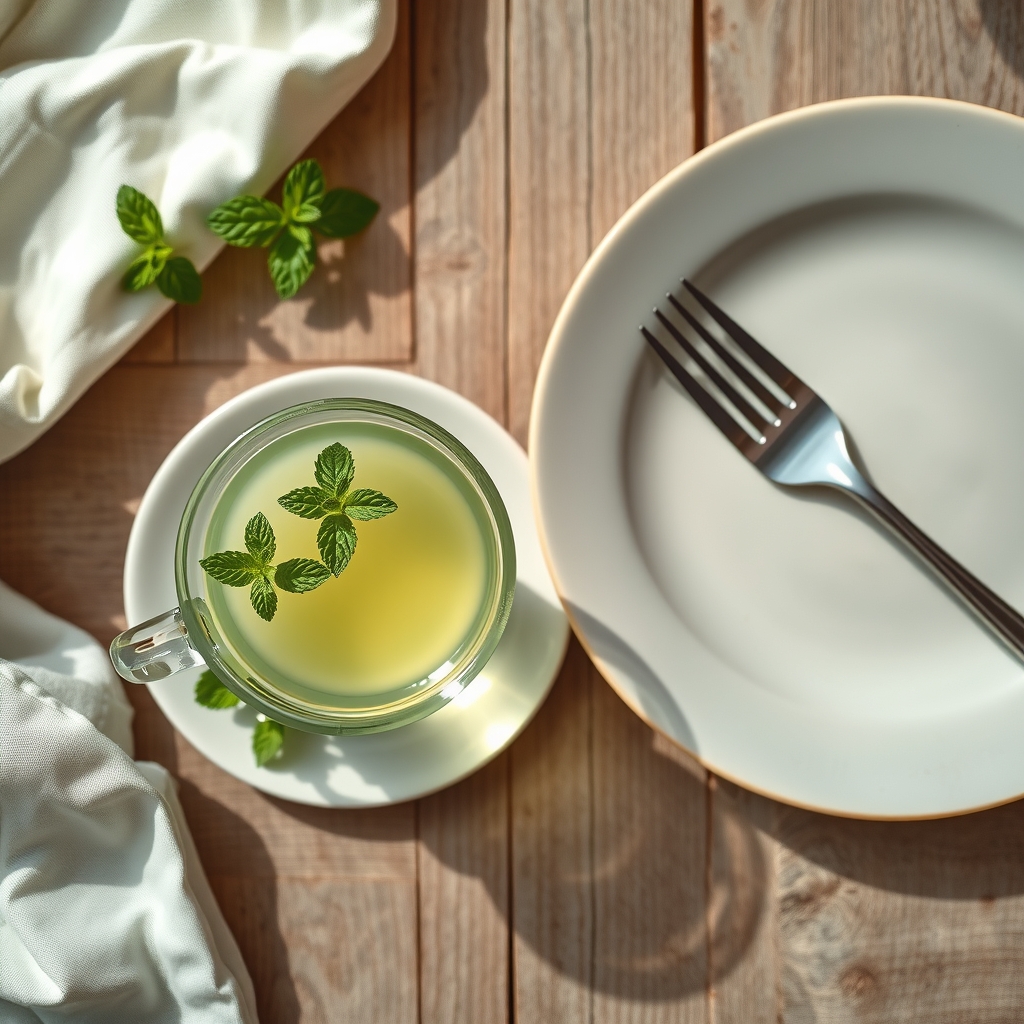
After a big, rich meal, plenty of people like to finish with a cup of peppermint tea. It is fresh, bright and caffeine-free, and it feels like a natural full stop to dinner.
This guide covers how to make a good cup from fresh or dried leaves, what the research really says about peppermint leaf, and the important caution for anyone who gets heartburn or acid reflux.
Why people sip it after eating
Feeling overly full, bloated or burpy after a meal is common, and the NHS describes these as typical signs of indigestion. Peppermint tea is a traditional favorite for that heavy, after-dinner feeling.
It is also simply a pleasant, caffeine-free way to end a meal. The NHS suggests cutting down on tea, coffee, cola and alcohol if indigestion bothers you, and a herbal tea is an easy swap.
Fresh Peppermint Tea
You need
- freshly boiled water250 ml (1 cup)
- fresh peppermint leaves, or 1 teaspoon dried peppermint8 to 10
Method
- Rinse the fresh leaves and gently bruise them between your fingers to release their aroma.
- Put the leaves in a cup and pour over the freshly boiled water.
- Cover and steep for 5 minutes, then strain or lift out the leaves.
- Let it cool to a comfortable temperature and sip slowly after your meal.
Tips
- Sit upright while you drink it and for a while after eating, rather than lying down.
- For a softer flavor, steep for 3 minutes. For a stronger one, add a few more leaves rather than steeping much longer.
What the evidence says
Most peppermint research looks at peppermint oil in capsules, not tea. The US National Center for Complementary and Integrative Health says very little research has been done on peppermint leaf, and there is not enough evidence to say whether it helps any health condition.
Enteric-coated peppermint oil capsules may help irritable bowel syndrome symptoms in adults, and certain combination products may help indigestion. But the same source notes that peppermint oil alone has not been shown to help indigestion and may make it worse in some people.
So enjoy peppermint tea as a refreshing drink. It is not a proven remedy for indigestion.
The reflux caution
Taken by mouth, peppermint can cause heartburn in some people. Memorial Sloan Kettering Cancer Center advises that people with gastroesophageal reflux disease (GERD), hiatal hernia, gallstones or gallbladder inflammation consult a doctor before consuming peppermint.
If heartburn is your main problem, the NHS suggests eating smaller, more frequent meals, avoiding food within three to four hours of bed, raising the head of your bed by about 10 to 20 cm (4 to 8 inches), and cutting back on your own trigger foods. If peppermint tea seems to bring on the burn, leave it out.
Questions people ask
Is peppermint tea good for acid reflux?
Not usually. Peppermint can cause heartburn in some people, and those with reflux or GERD are advised to check with a doctor before using it.
Fresh or dried peppermint: which is better?
Both make a good cup. Fresh leaves taste brighter and greener, while dried peppermint is more convenient and slightly stronger by weight.
Is peppermint tea the same as peppermint oil capsules?
No. Most of the research is on enteric-coated oil capsules, which are much more concentrated. A cup of tea is a gentle drink, and evidence for the leaf itself is very limited.
Sources
- Peppermint Oil: Usefulness and Safety — NCCIH
- Peppermint — Memorial Sloan Kettering Cancer Center
- Heartburn and acid reflux — NHS
- Indigestion — NHS
This article is for general information only and is not medical advice. Herbs can interact with medicines and health conditions. Talk to a doctor or pharmacist before trying a herbal remedy, especially if you are pregnant, breastfeeding, giving it to a child, or taking any medication.