Cardamom Tea After Meals
A fragrant, caffeine-free cup that many cultures enjoy after a meal. Here is how to make it and what science can and cannot say about it.
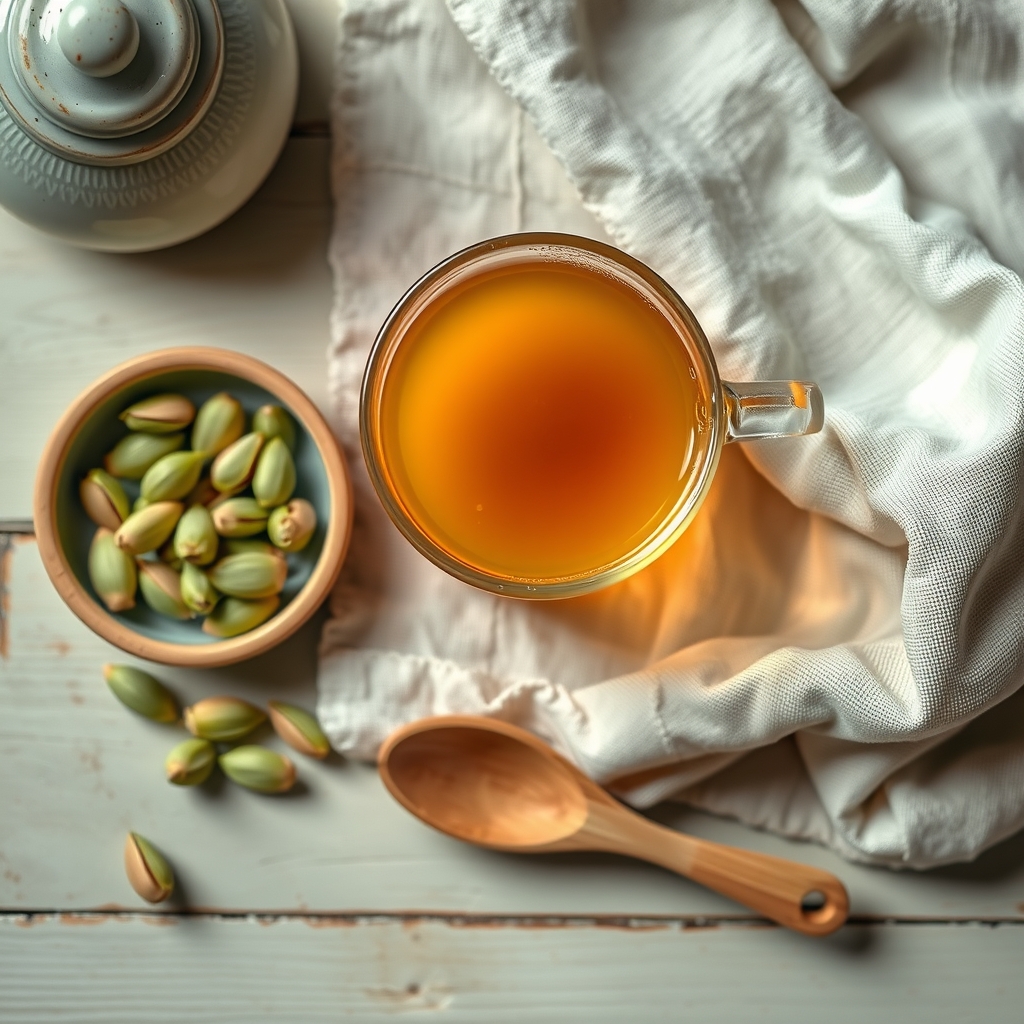
Green cardamom is one of the most aromatic spices in the kitchen. In many homes across South Asia and the Middle East, a few pods find their way into a pot of tea or coffee after a large meal, and the warm, slightly citrusy smell alone can make a heavy dinner feel lighter.
A simple cardamom tea, made with just crushed pods and hot water, is a caffeine-free way to end a meal. It is a pleasant ritual, but it is worth being honest about how little we know from human studies.
Why people drink it after meals
Cardamom has a long traditional reputation as a digestive spice. People sip it to settle a full stomach, to ease a feeling of bloating, or simply to freshen the breath after a spicy meal.
Part of its appeal is what it replaces. If you usually finish dinner with strong black tea or coffee, swapping to a caffeine-free cardamom cup may suit you better. The NHS suggests cutting down on tea, coffee, cola and alcohol if you are prone to indigestion.
Simple Cardamom Tea
You need
- green cardamom pods4 to 5
- water300 ml (1 1/4 cups)
- honey, to taste1 tsp (optional)
Method
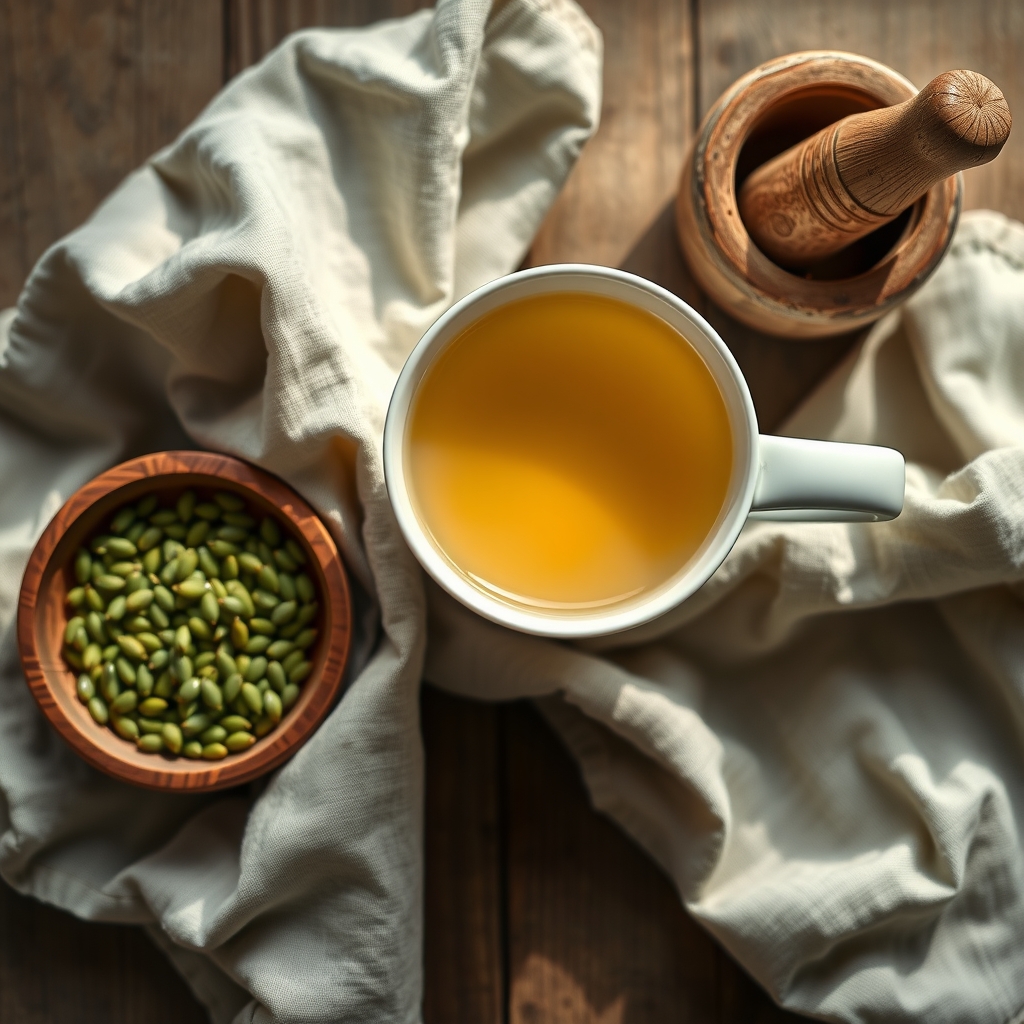
- Lightly crush the cardamom pods with the flat side of a knife or a mortar and pestle so they split open.
- Put the pods and water in a small pan and bring to a boil.
- Lower the heat and simmer for 5 minutes, then turn off the heat and let it stand for 2 to 3 minutes.
- Strain into a cup and add a little honey if you like.
- Let it cool to a comfortable drinking temperature and sip after your meal.
Tips
- For a milder cup, steep the crushed pods in water just off the boil for 10 minutes instead of simmering.
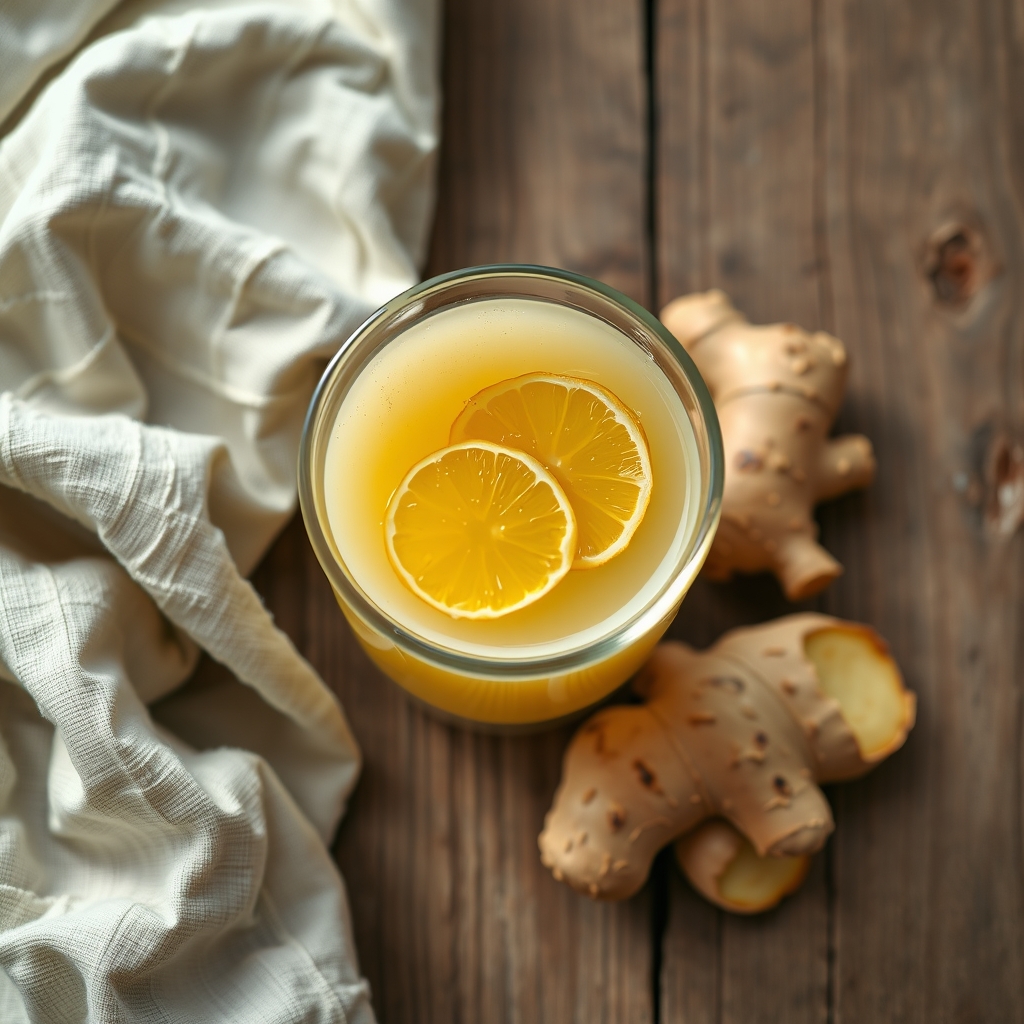
- A thin strip of lemon peel or a slice of fresh ginger pairs well with cardamom.
- If you add black tea leaves, remember this brings back caffeine, which the NHS suggests cutting down if you have indigestion.
What the evidence says
The research is thin. One frequently cited study tested a crude cardamom extract on animal tissue and in rats. It found that cardamom contained some compounds that made gut muscle contract and others that relaxed it. That is interesting laboratory science, but it does not tell us what a cup of cardamom tea does in a person.
We could not find good-quality human trials of cardamom tea for indigestion or bloating. So the honest summary is that cardamom is traditionally used after meals, it is a common food spice, and evidence for a digestive benefit in people is very limited.
If you get indigestion often, the steps with real backing are practical ones: eat smaller meals, avoid eating in the 3 to 4 hours before bed, and limit rich, spicy or fatty foods that trigger your symptoms.
Making it part of your routine
Crushing the pods is the key step. The flavor lives in the small black seeds inside, so cracking the pods open lets the hot water reach them.
Drink it slowly, sitting down, after you finish eating. Taking a few calm minutes at the end of a meal is a good habit in itself, whatever is in the cup.
Questions people ask
Does cardamom tea help with bloating?
It is traditionally used for that, and some people find a warm cup comforting after a big meal. There is very little human research, though, so we cannot say it reliably reduces bloating.
Can I use ground cardamom instead of pods?
Yes. Use about 1/4 tsp of ground cardamom per cup and strain through a fine sieve or let it settle. The flavor is a little less fresh than with whole pods.
Is cardamom tea caffeine-free?
Yes, if you make it with just cardamom and water. It only contains caffeine if you brew it with black or green tea leaves.
Sources
- Gut modulatory, blood pressure lowering, diuretic and sedative activities of cardamom — Journal of Ethnopharmacology (PubMed)
- Indigestion — NHS
- Heartburn and acid reflux — NHS
- Are You Considering a Complementary Health Approach? — NCCIH
This article is for general information only and is not medical advice. Herbs can interact with medicines and health conditions. Talk to a doctor or pharmacist before trying a herbal remedy, especially if you are pregnant, breastfeeding, giving it to a child, or taking any medication.