Fennel Seed Tea for Occasional Bloating
A sweet, aniseed-scented tea with a long history as an after-meal comfort. Here is how to make it and use it sensibly.
That tight, puffy feeling after a big meal is very common. Most of the time it comes from gas in the gut and settles on its own.
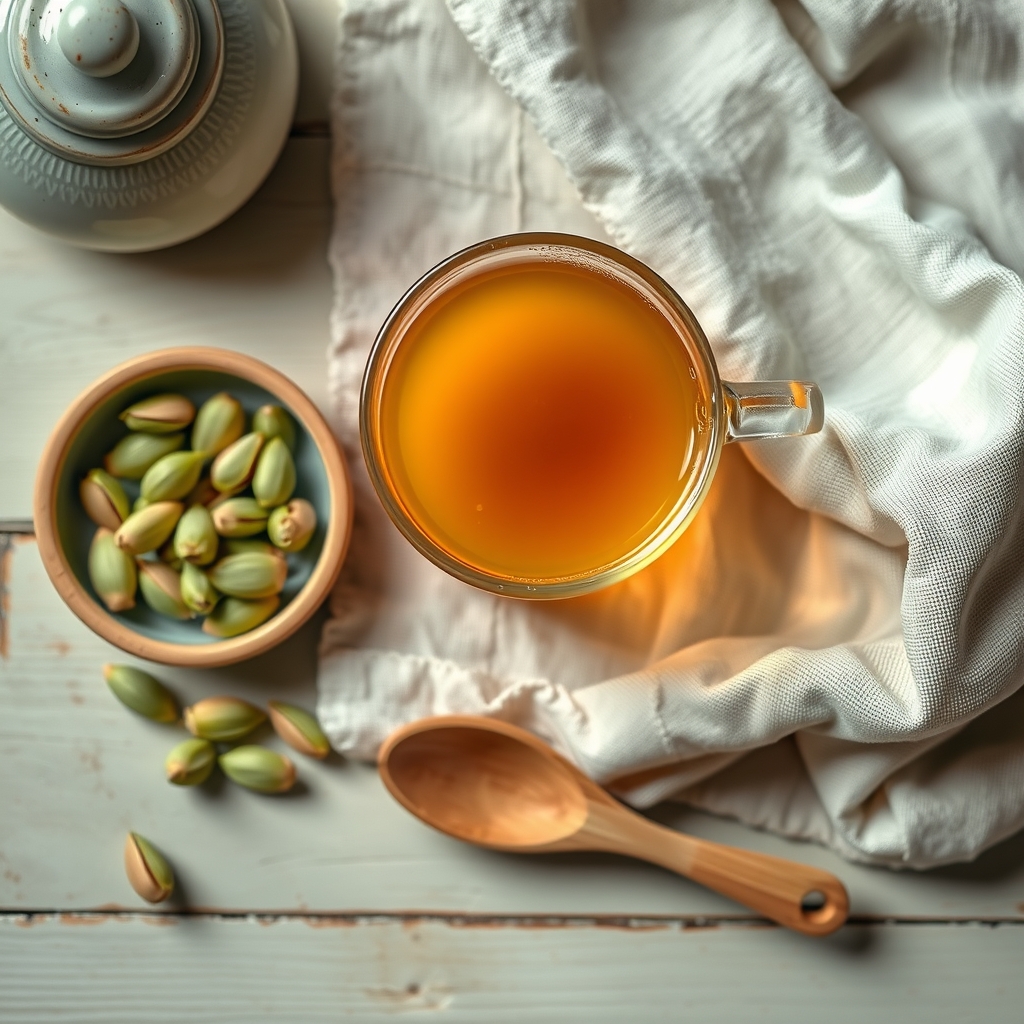
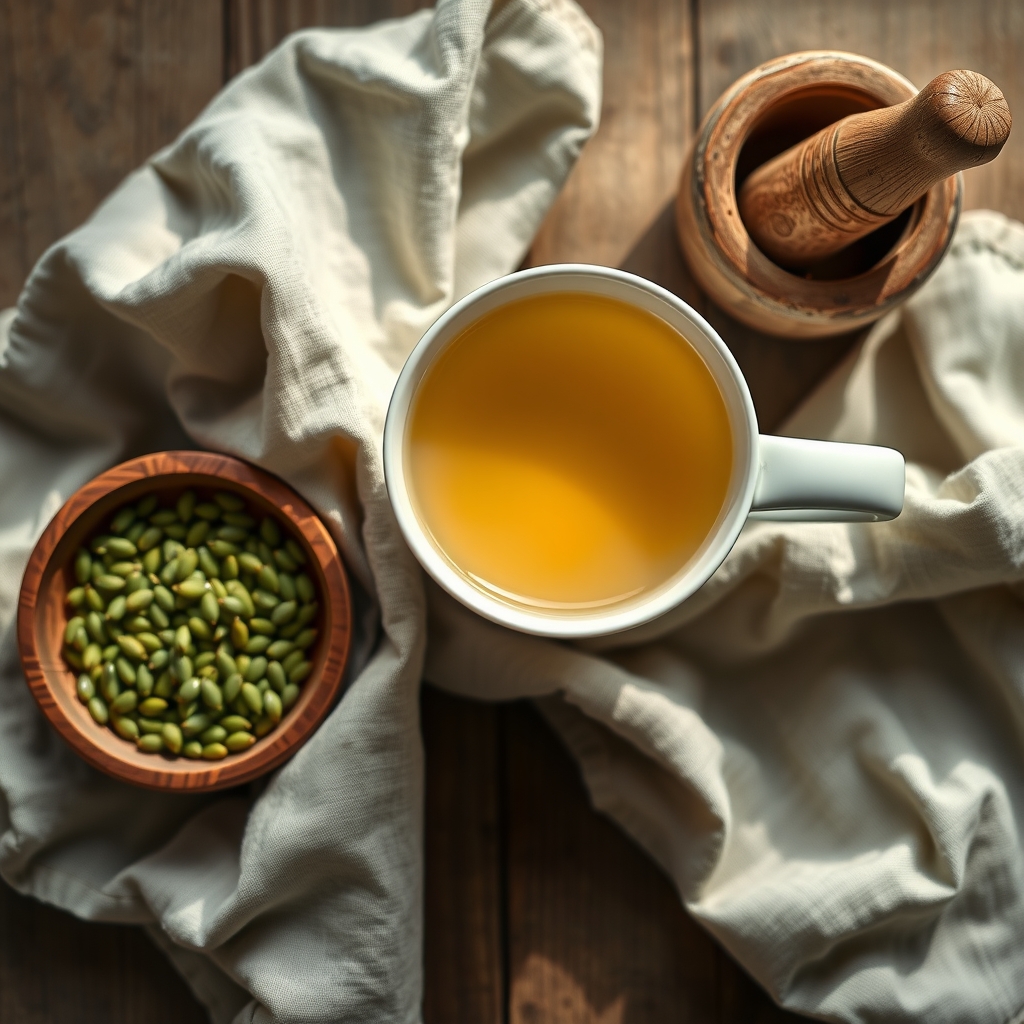
Fennel seed tea is one of the oldest kitchen remedies for it. The small green-brown seeds have a sweet, licorice-like flavor and make a pleasant after-dinner drink. Here is how to brew it, what the evidence shows, and who should not use it.
Why people use it
Sweet fennel fruit, the part sold as fennel seeds, is recognized in Europe as a traditional herbal medicine for mild, crampy stomach and gut complaints, including bloating and wind.
It is also traditionally used for minor period cramps and as an aid for coughs that come with colds.
According to the NHS, the most common cause of bloating is gas, from certain foods and drinks or from swallowing air while you eat. Constipation, food intolerances, irritable bowel syndrome and the days around a period can also play a part. A warm cup of fennel tea is a gentle option for the everyday kind.
Fennel Seed Tea
You need
- freshly boiled water250 ml (1 cup)
- sweet fennel seeds1.5 g (about 1 level teaspoon)
Method
- Lightly crush the fennel seeds with a mortar and pestle or the flat side of a knife, just enough to crack them.
- Put the seeds in a cup and pour over water just off the boil, at about 100°C (212°F).
- Cover and steep for 15 minutes.
- Strain and drink warm, ideally after a meal.
Tips
- The European monograph for adults describes 1.5 g in 250 ml of water, up to three times a day.
- Do not use it for more than two weeks in a row.
- Buy fennel seeds as a cooking spice and crush them just before brewing for the fullest flavor.
- If the taste is too strong, add a thin slice of fresh ginger or a strip of orange peel.
What the evidence says
The European Medicines Agency's herbal committee considers these uses plausible based on more than 30 years of use and some laboratory and animal research. Clinical trials in people are limited.
Lab and animal studies suggest fennel may have relaxing effects, but exactly how it might work is unclear. So fennel tea may help with occasional bloating, but evidence is limited and it is not a treatment for an underlying digestive condition.
Other simple steps that help
The NHS suggests some everyday habits for bloating: eat smaller, more frequent meals, chew with your mouth closed, drink plenty of water and stay active.
Cutting back on fizzy drinks, alcohol and caffeine, and noticing whether foods such as beans, lentils or cabbage set you off, can also help. A gentle tummy massage may help release trapped wind.
Questions people ask
How quickly does fennel tea work?
There is no reliable data on timing. Some people find a warm cup after a meal comfortable, but if bloating keeps coming back, it is worth looking at the cause with your doctor.
Can I give fennel tea to my baby for colic?
No. Fennel tea is not recommended for children under 4, as there is not enough information on safe use. Speak to your pediatrician or health visitor about colic.
Is bloating ever serious?
Usually it is not. But bloating that does not go away can occasionally be a sign of something more serious, so persistent bloating should always be checked by a doctor.
Sources
- Fennel fruit, sweet: summary for the public — European Medicines Agency
- European Union herbal monograph on Foeniculum vulgare Miller subsp. vulgare var. dulce, fructus — European Medicines Agency
- Bloating — NHS
This article is for general information only and is not medical advice. Herbs can interact with medicines and health conditions. Talk to a doctor or pharmacist before trying a herbal remedy, especially if you are pregnant, breastfeeding, giving it to a child, or taking any medication.