Fresh Ginger Tea for Mild Nausea
Sliced fresh ginger steeped in hot water makes a warming, peppery tea that many people sip when their stomach feels unsettled.
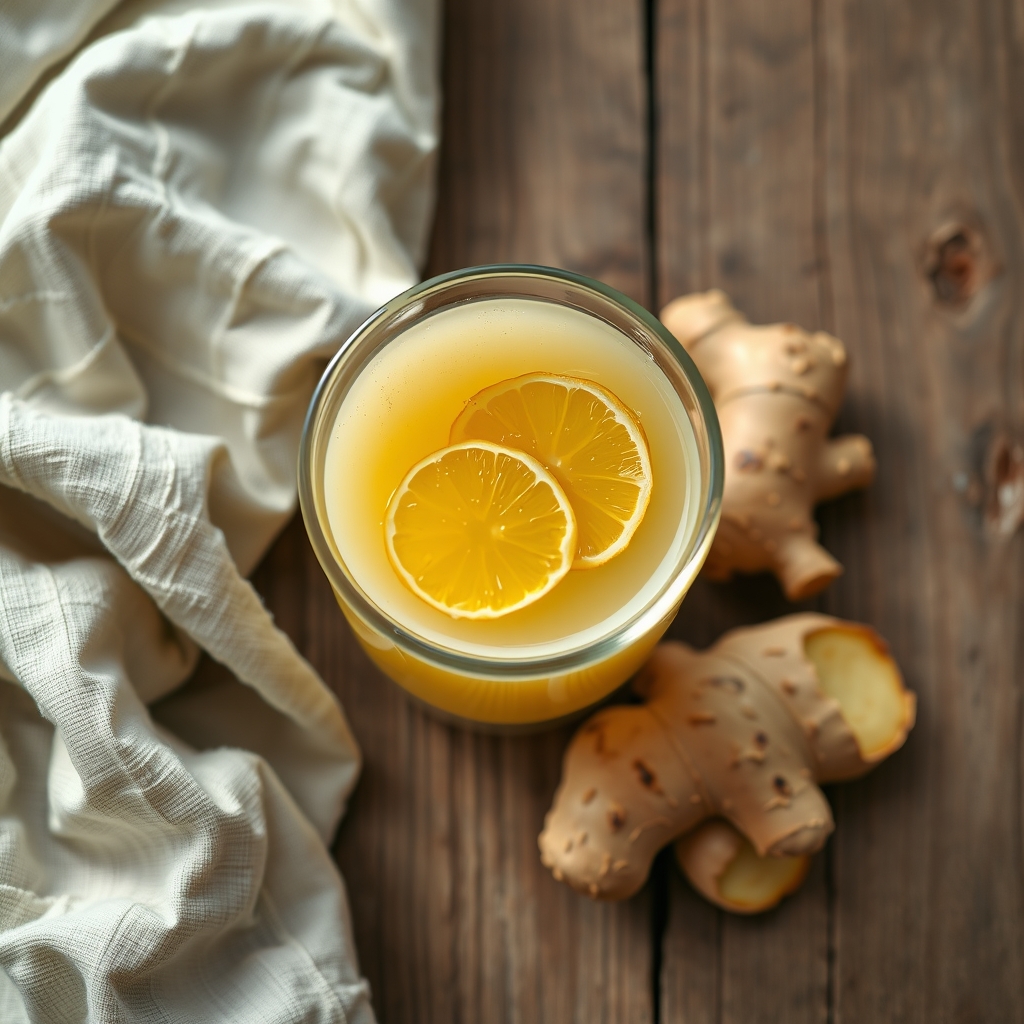
That queasy, off feeling can come from many places: a rich meal, a long car ride, a passing bug. When it is mild, a cup of fresh ginger tea is one of the most popular things people reach for.
This guide shows you how to make it from the root, what the research actually says about ginger and nausea, and when you should be careful or skip it.
Why people use ginger
Ginger has a long history in kitchens and traditional remedies for an unsettled stomach. The NHS includes ginger tea, and ginger foods such as ginger biscuits, among the simple things you can try when you feel sick.
The NHS also suggests getting some fresh air, sipping cold drinks regularly, eating smaller meals more slowly, and avoiding strong-smelling, fried or greasy food. A warm or cooled cup of ginger tea fits easily alongside those steps.
Fresh Ginger Tea
You need
- water350 ml (1 1/2 cups)
- fresh ginger root, thinly sliced (no need to peel)2.5 cm (1 inch) piece
- lemon1 slice (optional)
- honey, for adults and children over 12 months1 teaspoon (optional)
Method
- Wash the ginger well and slice it as thinly as you can.
- Bring the water and ginger to a boil in a small pan, then lower the heat.
- Simmer gently for 10 minutes. Simmer a little longer for a spicier tea, or less for a milder one.
- Strain into a cup, add lemon or honey if you like, and sip slowly once it is comfortably warm or cooled.
Tips
- Start with a mild brew. Strong ginger can be harsh on an empty, unsettled stomach.
- Make a double batch and keep the extra in the fridge for up to a day to sip cold.
What the evidence says
Research on ginger is mixed and depends on the cause of the nausea. According to the US National Center for Complementary and Integrative Health, ginger may help with nausea and vomiting in pregnancy, but it is uncertain whether it helps after surgery or adds anything to standard care during chemotherapy, and most studies have not found it helpful for motion sickness.
Most of those studies used ginger supplements rather than a homemade tea, so a cup from your kitchen may be milder. Fair to say: ginger tea may help some people feel a little better, but evidence for everyday nausea is limited.
Getting the most from your cup
Small, frequent sips tend to sit better than gulping a large mug. If warm drinks feel too much, let the tea cool or chill it, since the NHS suggests cold drinks when you feel sick.
If you are also vomiting, keep up your fluids, because you can become dehydrated. Ginger tea is a supplement to plain water, not a replacement for it.
Questions people ask
Should I use fresh or ground ginger?
Fresh root gives the brightest flavor and is easy to control. About 1/2 teaspoon of ground ginger in a cup of hot water is a quick swap, though it can taste dustier.
Does ginger tea help with travel sickness?
Most studies have not found ginger helpful for motion sickness, so do not count on it for a long trip. It is still a pleasant drink if it settles you.
Can children drink ginger tea?
A weak, cooled cup is a common kitchen drink for older children, but ask a pharmacist or doctor before using it for a child who feels sick, especially if they are also vomiting.
Sources
- Ginger: Usefulness and Safety — NCCIH
- Ginger — Memorial Sloan Kettering Cancer Center
- Feeling sick (nausea) — NHS
This article is for general information only and is not medical advice. Herbs can interact with medicines and health conditions. Talk to a doctor or pharmacist before trying a herbal remedy, especially if you are pregnant, breastfeeding, giving it to a child, or taking any medication.