Caraway Seed Tea for Wind and Bloating
The seed you know from rye bread also makes a warm, earthy tea. Here is how to brew it for occasional wind and bloating, and who should skip it.
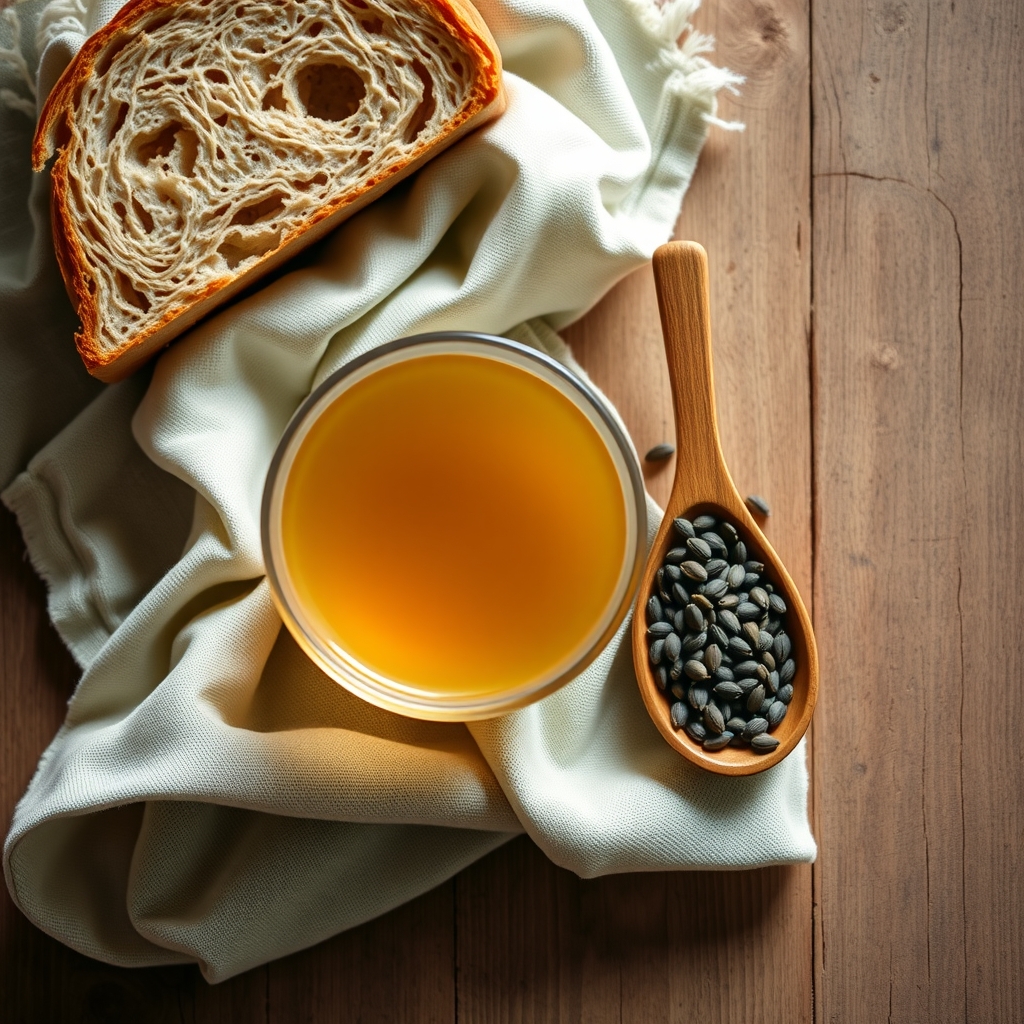
Caraway seeds are the small, curved, dark brown seeds that give rye bread and sauerkraut their warm, slightly peppery flavor. Brewed in hot water, they make a tea that has been used for a stomach full of wind for generations.
Passing gas is normal. But when it comes with a tight, swollen tummy, it can be uncomfortable and embarrassing. Here is how to make caraway tea, what the evidence supports, and when wind is worth a doctor's visit.
Why people use it
Caraway fruit, the part sold as seeds, is recognized in Europe as a traditional herbal medicine for digestive complaints such as bloating and flatulence.
According to the NHS, extra wind usually comes from swallowing air or from foods that are harder to digest. Common culprits include beans and lentils, cabbage, broccoli, cauliflower, Brussels sprouts, onions, dried fruit, fizzy drinks, beer, and foods sweetened with sorbitol.
Some medicines can also make you gassier, including ibuprofen and other anti-inflammatory painkillers, some laxatives, antifungal medicines and statins. Do not stop a prescribed medicine without talking to your GP first.
Caraway Seed Tea
You need
- caraway seeds0.5 to 2 g (about 1/4 to 1 teaspoon)
- freshly boiled water150 ml (about 2/3 cup)
Method
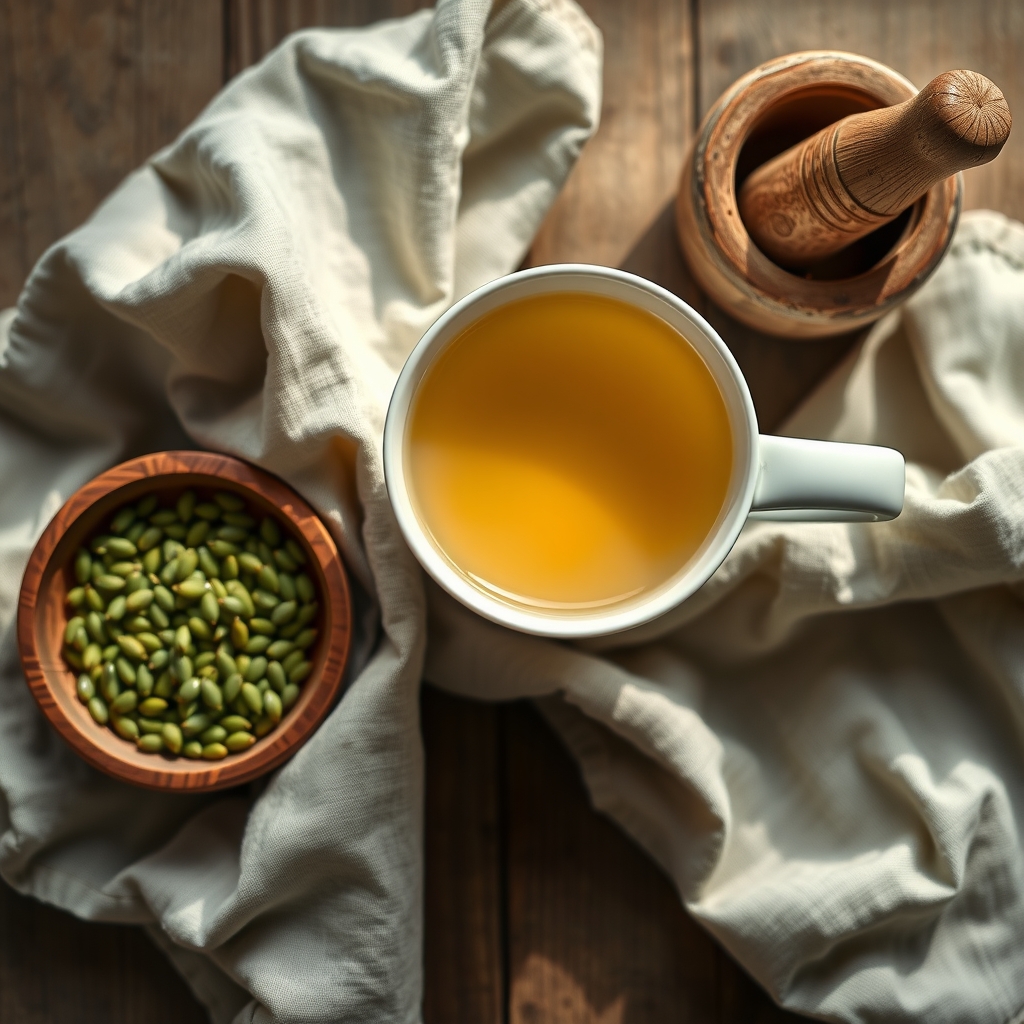
- Crush the caraway seeds roughly in a mortar and pestle, or under a heavy jar, to open them up.
- Tip the crushed seeds into a cup.
- Pour over 150 ml (about 2/3 cup) of water at a rolling boil, about 100°C (212°F).
- Cover and steep for 10 minutes.
- Strain and drink warm, after a meal.
Tips
- The European monograph for adults and teens over 12 uses 0.5 to 2 g of seed in 150 ml of boiling water, one to three times a day.
- Caraway has a strong, savory taste. If it is too much, start with 0.5 g and build up.
- A thin strip of orange peel in the cup softens the flavor.
- Use plain cooking caraway seeds and store them in a sealed jar away from light.
What the evidence says
The European Medicines Agency's herbal committee accepted caraway's use for bloating and wind based on long-standing use: at least 30 years, including 15 in the European Union, without safety concerns.
The committee was clear that there is not enough clinical trial evidence to prove it works. It considered the effect plausible, and it noted that no side effects had been reported at the time of its review.
So caraway tea may ease occasional wind and bloating, but evidence is limited. Think of it as a gentle extra alongside the everyday habits below, not a fix for an ongoing gut problem.
Everyday habits that cut down on wind
The NHS suggests eating smaller meals more often, eating and drinking slowly with your mouth closed, and exercising regularly to keep your digestion moving.
It also helps to limit beer, wine and fruit juice, and to cut out chewing gum and smoking. If you notice that certain foods from the list above set you off, try having less of them.
Questions people ask
Is caraway the same as cumin?
No. The seeds look alike, but they are different plants with different flavors. This recipe and its safety advice are for caraway only.
How many cups can I have?
The European guidance for adults is one to three cups a day, each made with 0.5 to 2 g of seed. It is meant for short-term use, not as a daily habit for months.
Can I mix caraway with fennel or peppermint?
The European guidance covers caraway on its own, so there is no official dose for blends. If you are allergic to any plant in the carrot family, avoid fennel and caraway alike.
Sources
- Caraway fruit: summary for the public — European Medicines Agency
- European Union herbal monograph on Carum carvi L., fructus — European Medicines Agency
- Flatulence — NHS
This article is for general information only and is not medical advice. Herbs can interact with medicines and health conditions. Talk to a doctor or pharmacist before trying a herbal remedy, especially if you are pregnant, breastfeeding, giving it to a child, or taking any medication.