Coriander Seed Tea
A gentle, citrusy tea made from a spice you probably already own. Here is how to brew it, and an honest look at what is known.
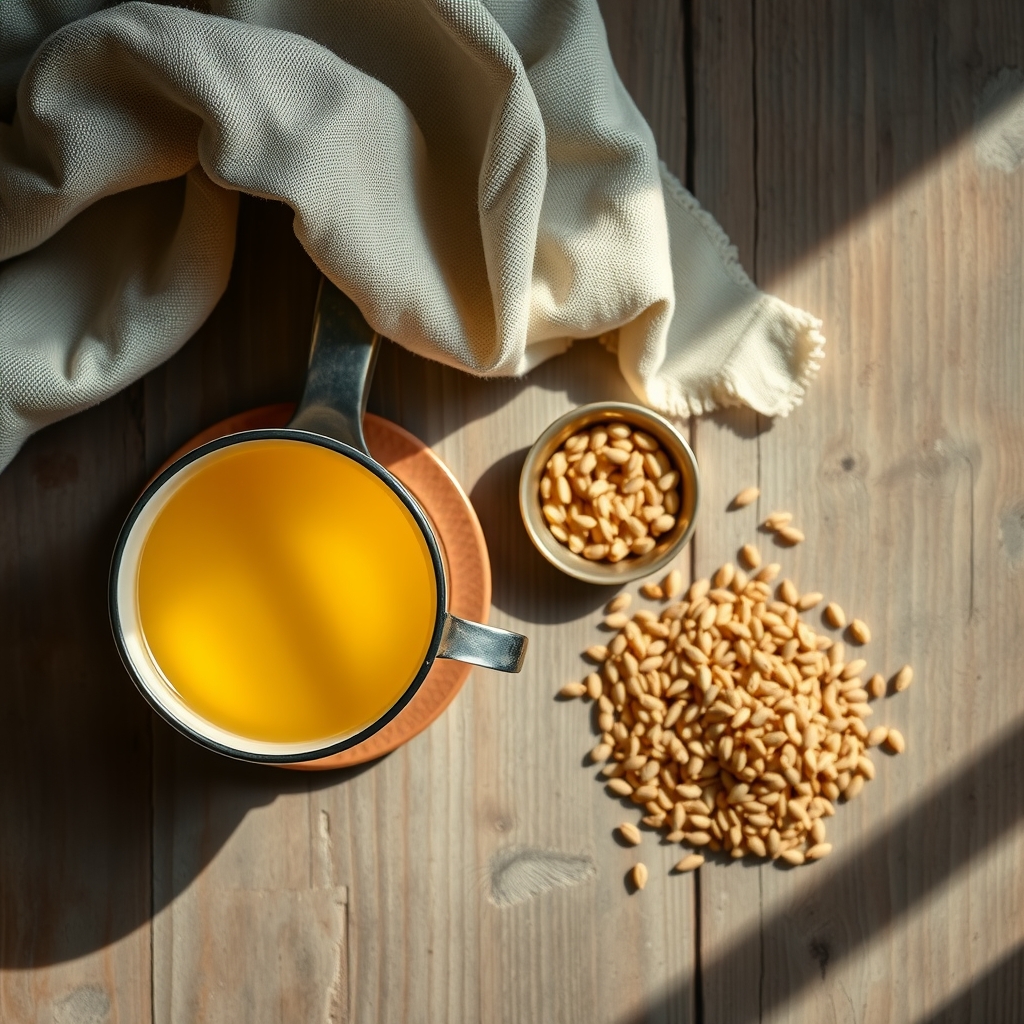
Coriander seeds are the round, pale brown seeds of the same plant whose leaves are called cilantro in the US. Crushed and steeped, they make a mild tea with a warm, slightly lemony flavor that is very different from the leaves.
In many cuisines and folk traditions, the seeds have been used to settle the stomach after a meal. Here is a simple recipe, what the research does and does not show, and the cautions worth knowing.
Why people use it
Coriander belongs to the same plant family as fennel, caraway and dill, and it has been used in both cooking and traditional medicine for a very long time.
A scientific review of its traditional uses describes the seeds being used for digestive complaints such as indigestion, wind, loss of appetite, nausea and diarrhea, in places as varied as India, Turkey, Pakistan and Morocco.
Most people who reach for it today want a gentle, caffeine-free drink for the heavy, bloated feeling that can follow a big meal.
Coriander Seed Tea
You need
- whole coriander seeds1 level teaspoon (about 2 g)
- freshly boiled water250 ml (1 cup)
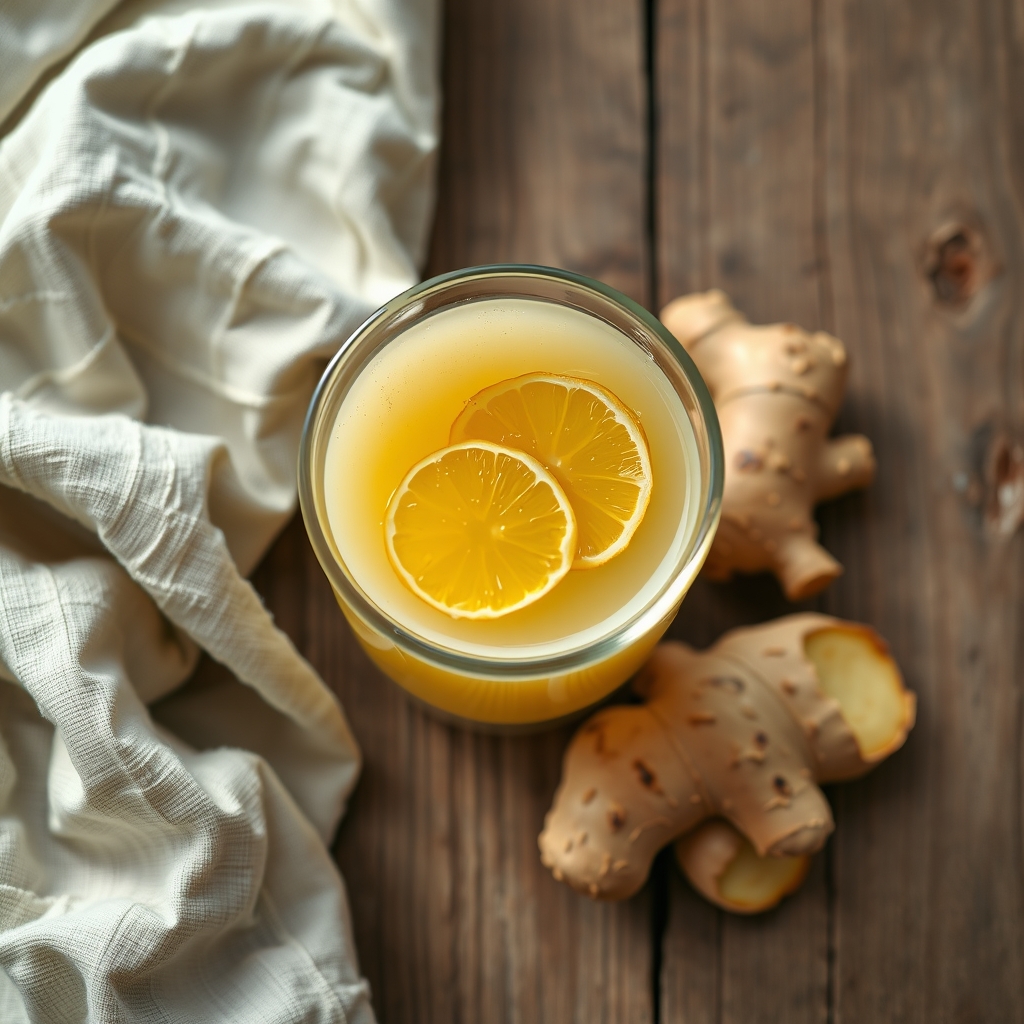
- fresh ginger, or a strip of lemon peel1 thin slice (optional)
Method
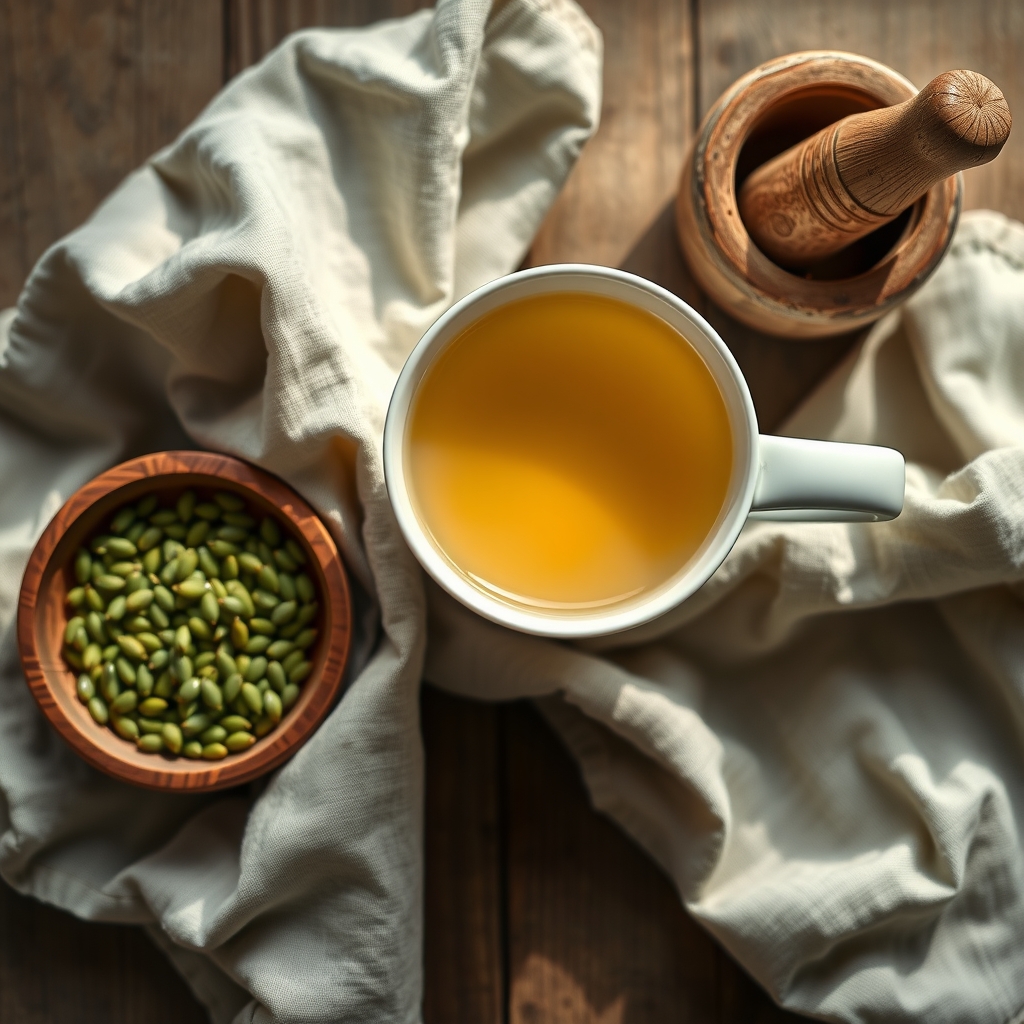
- Crack the coriander seeds in a mortar and pestle or under the flat side of a knife. They are softer than most seeds and break easily.
- Put the seeds, and the ginger or lemon peel if using, into a mug.
- Pour over water just off the boil, about 95 to 100°C (203 to 212°F).
- Cover and steep for 10 minutes.
- Strain and sip warm after a meal.
Tips
- There is no official medicinal dose for coriander seed tea. A teaspoon per cup is a normal kitchen amount, so keep to a cup or two a day.
- Toasting the seeds in a dry pan for a minute before crushing gives a nuttier flavor.
- Whole seeds keep their flavor far longer than ground coriander.
- If you dislike the taste of cilantro leaves, give the seeds a try anyway. They taste quite different.
What the evidence says
Evidence in people is thin. Much of the research on coriander has been done in the lab or in animals, and reviewers say more clinical trials are needed.
One small pilot trial in 32 people with irritable bowel syndrome tested a herbal product containing coriander, lemon balm and spearmint for 8 weeks. Compared with a placebo, the group taking the herbal product reported less abdominal pain and bloating. Because it was small and coriander was mixed with other herbs, it does not tell us what coriander seed tea alone can do.
Lab and animal studies have also looked at coriander's effects on blood sugar and blood pressure. These findings are early and should not be read as a reason to use it for either.
Bottom line: coriander seed tea may be a pleasant after-meal drink, and it is traditionally used for indigestion, but evidence that it helps is limited.
Simple steps for indigestion
The NHS suggests cutting back on caffeine and alcohol, limiting rich, spicy and fatty foods, and avoiding eating in the 3 to 4 hours before bed.
Ibuprofen and aspirin can make indigestion worse, so check with a pharmacist if you take them. A pharmacist can also recommend indigestion medicines if you need them.
Questions people ask
Is coriander the same as cilantro?
They come from the same plant. In the US, cilantro usually means the leaves and coriander means the seeds. This tea uses the seeds, which taste warm and citrusy rather than grassy.
Does coriander tea help with IBS?
One small trial of a herbal product that contained coriander with lemon balm and spearmint found less pain and bloating in people with IBS, but that is not enough to recommend coriander tea for it. If you have IBS, talk to your doctor about a plan that works for you.
Can coriander tea lower blood sugar?
That has mostly been studied in the lab and in animals, not in people. Do not use it in place of diabetes treatment, and ask your doctor before using it if you take diabetes medicine.
Sources
- Coriandrum sativum L.: A Review on Ethnopharmacology, Phytochemistry, and Cardiovascular Benefits — Molecules, via PubMed Central
- The efficacy of an herbal medicine, Carmint, on the relief of abdominal pain and bloating in patients with irritable bowel syndrome: a pilot study — Digestive Diseases and Sciences, via PubMed
- European Union herbal monograph on Carum carvi L., fructus — European Medicines Agency
- Indigestion — NHS
This article is for general information only and is not medical advice. Herbs can interact with medicines and health conditions. Talk to a doctor or pharmacist before trying a herbal remedy, especially if you are pregnant, breastfeeding, giving it to a child, or taking any medication.