Dill Seed Tea: Tradition and What Adults Should Know
Dill water has a long folk history, especially for windy babies. Here is what the evidence actually shows, and how adults can enjoy a simple cup of dill seed tea.
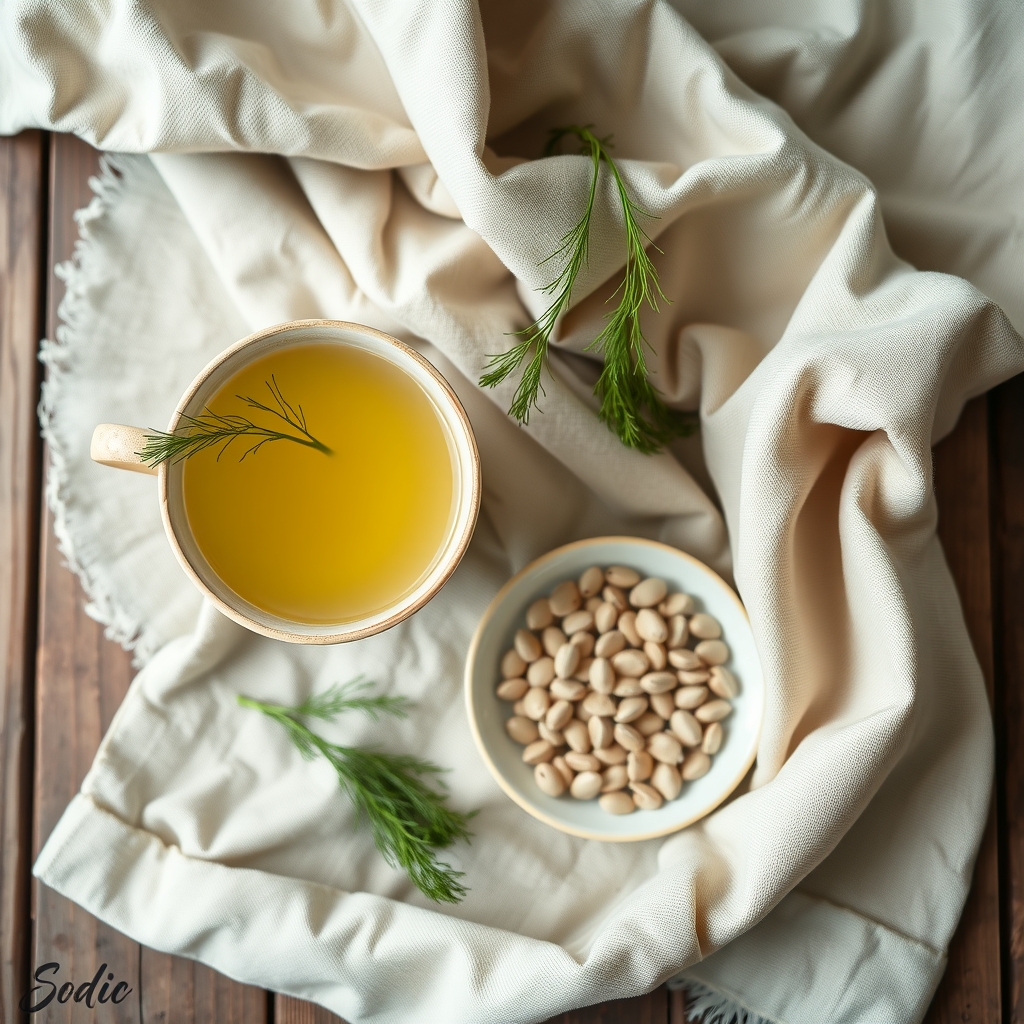
Most of us know dill as the feathery herb on salmon or in pickles. Its flat, oval seeds have a stronger, warmer taste, a little like caraway, and they have a long history in kitchen medicine.
You may have heard of dill water as an old remedy for colicky babies. This article explains where that idea comes from, why it is not something to make at home for an infant, and how adults can brew a cup of dill seed tea sensibly.
Why people use it
Dill belongs to the same plant family as fennel, caraway and coriander. In Ayurveda, the traditional medicine system of India, dill seeds are used as a carminative, meaning something to relieve wind, and as a stomach settler.
Dill is also promoted as a way to boost breast milk supply. That use is popular online, but it has little scientific support, as explained below.
You may also have heard of gripe water for fussy babies. Mayo Clinic describes it simply as a mix of water and herbs, and recipes vary from one product or family to the next.
Dill Seed Tea for Adults
You need
- dill seeds1 level teaspoon (about 2 g)
- freshly boiled water250 ml (1 cup)
Method
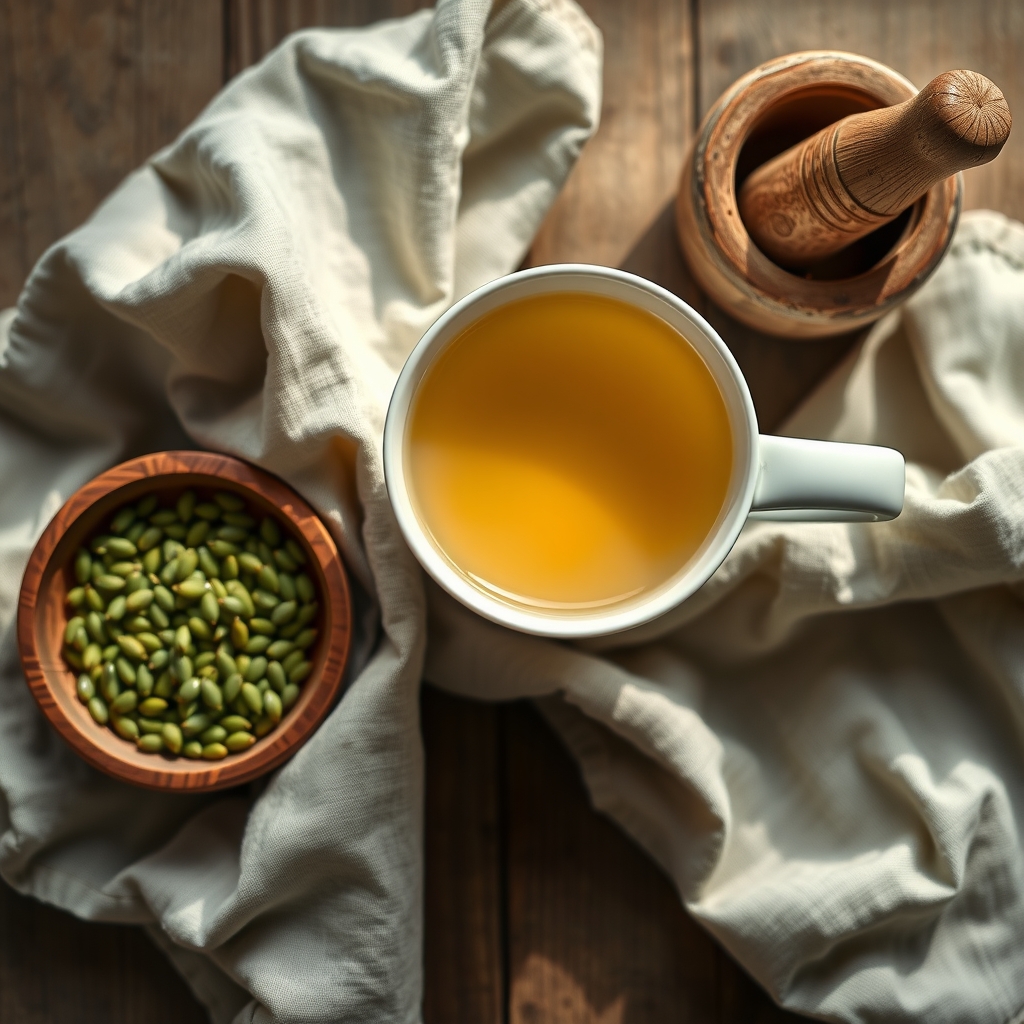
- Lightly crush the dill seeds in a mortar and pestle or with the back of a spoon.
- Put them in a mug and pour over water just off the boil, about 95 to 100°C (203 to 212°F).
- Cover and steep for 10 minutes.
- Strain and drink warm after a meal.
Tips
- There is no official medicinal dose for dill seed tea. A teaspoon per cup is a kitchen amount, similar to what you might use in cooking, so keep to a cup or two a day.
- Use dill seeds sold as a cooking spice, not dill essential oil.
- A few fresh dill fronds added at the end give a lighter, greener flavor.
- Stop if it does not agree with you.
What the evidence says
For digestion in adults, the support for dill seed comes mostly from traditional use. Reviews describe its chemistry, with carvone as the main aroma compound in the seed, but there are no good clinical trials showing that dill seed tea relieves wind or bloating. It may be a pleasant after-meal drink, but evidence is very limited.
For breast milk supply, the US National Library of Medicine's breastfeeding database says no scientifically valid clinical trials support dill. Small studies that looked promising had weak designs, or tested dill mixed with other herbs. Dill is considered safe as a food, and no harm to babies was seen in studies of its main compound.
For baby colic, Mayo Clinic notes that small studies of herbal teas, fennel and gripe water have had mixed results, and there is not enough evidence to judge whether the possible benefit outweighs the risks.
Why not to give dill water to babies
Mayo Clinic warns that regular herbal teas or other liquids can mean a baby drinks less milk, and can lower the level of salt in the baby's blood. Herbal products are also not regulated, so you cannot be sure what is in them.
If your baby cries for long spells, talk to your baby's doctor or health visitor before trying any herbal remedy. The tea below is for adults only.
Questions people ask
Is dill seed tea the same as gripe water?
Not exactly. Gripe water is a mix of water and herbs, and recipes differ. A cup of dill seed tea is simply dill seeds steeped in hot water, meant here for adults.
Will dill tea increase my breast milk?
There is no good evidence that it does. It is considered safe as a food, but if you are worried about supply, get support from a lactation consultant or your doctor.
Can I use fresh dill instead of seeds?
You can make a mild herbal drink with fresh fronds, but the seeds have a stronger taste and are what the traditional digestive use refers to. Fresh dill is also the form most linked to skin reactions on contact.
Sources
- Anethum graveolens: An Indian traditional medicinal herb and spice — Pharmacognosy Reviews, via PubMed
- Dill, Drugs and Lactation Database (LactMed) — National Library of Medicine, NCBI Bookshelf
- Colic: Diagnosis and treatment — Mayo Clinic
- Flatulence — NHS
This article is for general information only and is not medical advice. Herbs can interact with medicines and health conditions. Talk to a doctor or pharmacist before trying a herbal remedy, especially if you are pregnant, breastfeeding, giving it to a child, or taking any medication.