Tea for Bloating and Gas: Which One to Choose
Three teas turn up again and again for a tight, gassy tummy. Here is how they differ, which one may suit you best, and who should pass on each.
That full, tight feeling after a meal is one of the most common reasons people reach for a herbal tea. In many parts of the world, a warm cup after eating is an old habit, and the herbs in it are often chosen with the stomach in mind.
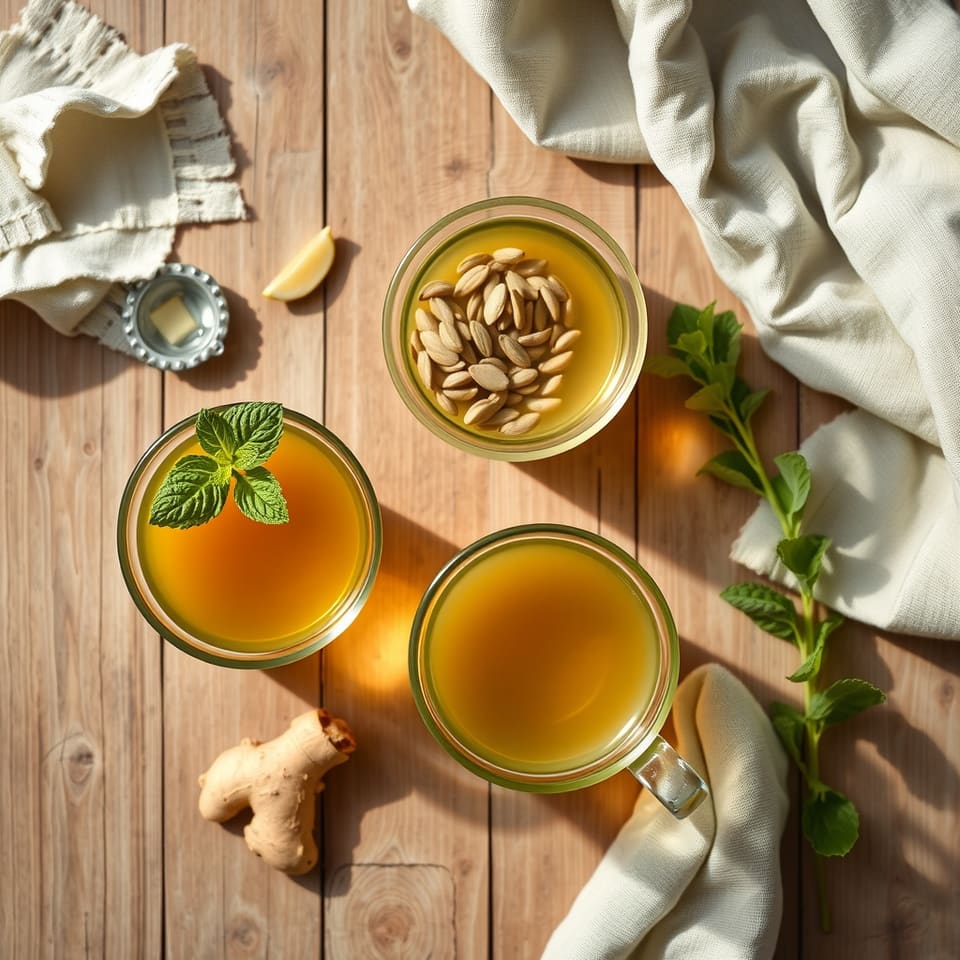
Peppermint, fennel and ginger are the three you will see most often. They are not interchangeable. Each has its own flavor, its own level of evidence and its own list of people who should skip it. This guide helps you pick the one that fits you, and reminds you when bloating is a job for a doctor rather than a teapot.
Why we bloat in the first place
The NHS says the most common cause of bloating is a lot of gas in the gut. Some foods, such as certain vegetables, and fizzy drinks add to it, and so does swallowing air while you eat. Constipation, food intolerances, coeliac disease and irritable bowel syndrome can all play a part, and some people feel bloated around their period.
That is why habits matter as much as any herb. The NHS suggests regular exercise, eating smaller meals more often, chewing with your mouth closed, drinking plenty of water and gently massaging your tummy. It also suggests cutting back on fizzy drinks, alcohol and caffeine from coffee and tea, and not eating big meals late at night.
Simple Fennel Seed Tea for Wind
You need
- fennel seeds1 level tsp
- water, freshly boiled250 ml (1 cup)
- fresh peppermint leaves or 1 thin slice of fresh ginger, optional (see the cautions)2 to 3
Method
- Lightly crush the fennel seeds in a mortar or with the back of a spoon to release their flavor.
- Put the seeds, and the peppermint or ginger if you are using it, into a mug or small teapot.
- Pour over the freshly boiled water, cover and steep for 10 to 15 minutes.
- Strain, let it cool to a comfortable temperature and sip slowly after your meal.
Tips
- Covering the cup while it steeps keeps the aromatic flavor in the tea rather than in the air.
- If you have reflux, leave out the peppermint and choose the ginger or plain fennel version.
- Sip it slowly. Gulping any drink, hot or cold, means swallowing more air.
Choosing your cup
Fennel tea is the most traditional choice for wind. The European Medicines Agency's herbal committee accepts fennel fruit as a traditional remedy for mild, crampy digestive complaints, including bloating and flatulence. Its sweet, aniseed-like taste is gentle, and it contains no tea leaves. It is not for everyone, though, as you will see in the cautions below.
Peppermint tea is cool and refreshing, and many people like it after a heavy meal. NCCIH says peppermint tea appears to be safe, although the long-term safety of large amounts of the leaf is not known. Its big drawback is heartburn, so if you get reflux, peppermint is usually the one to skip.
Ginger tea is warming and spicy. NCCIH notes that ginger has traditionally been used for indigestion and stomach discomfort, and it is a reasonable pick if your bloating comes with a little queasiness. Strong ginger can itself cause stomach discomfort or heartburn in some people, so start with a mild cup.
What the evidence says
Honestly, the evidence for any of these teas and everyday bloating is limited. Fennel's place in the European herbal monograph rests on long traditional use, not on strong clinical trials. For ginger, NCCIH says most research has looked at nausea rather than bloating.
Peppermint is a useful example of why the form matters. NCCIH reports that enteric-coated peppermint oil capsules may improve symptoms of irritable bowel syndrome in adults, but that peppermint oil alone has not been shown to help indigestion and may even make it worse in some people. A cup of tea is a much weaker, different thing from a capsule, so the capsule research does not tell us much about your after-dinner mug.
So think of these teas as a comforting, low-risk ritual that may help a little, alongside the habits above that tackle the cause.
Questions people ask
Which tea is best for gas after beans or cabbage?
Fennel is the classic choice for wind and has the longest traditional record. If certain foods always leave you gassy, the NHS suggests cutting back on them, which may help more than any tea.
Can I drink these teas every day?
An occasional cup is fine for most healthy adults. For fennel, the European guidance suggests adults use it for no more than 2 weeks at a time. If you feel you need tea for bloating every day, that is worth discussing with a doctor.
Does fizzy water or kombucha help?
Bubbles add gas, and the NHS suggests cutting down on fizzy drinks if you are bloated. A warm, still drink is usually a better choice.
Sources
- Bloating — NHS
- European Union herbal monograph on Foeniculum vulgare Miller subsp. vulgare var. vulgare, fructus — European Medicines Agency
- Peppermint Oil — NCCIH
- Ginger: Usefulness and Safety — NCCIH
This article is for general information only and is not medical advice. Herbs can interact with medicines and health conditions. Talk to a doctor or pharmacist before trying a herbal remedy, especially if you are pregnant, breastfeeding, giving it to a child, or taking any medication.