Detox Water Recipes: Tasty, but What Do They Do?
A jug of water with fruit and herbs is a lovely way to drink more. Here is what detox water can and cannot do, a simple recipe with variations, and the safety points most recipes leave out.
Detox water is everywhere: tall jugs packed with lemon, cucumber, berries and herbs, often with a label promising to flush toxins, melt belly fat or beat bloating. The drinks themselves are simple, pretty and refreshing.
The promises are another matter. This guide separates the two, so you can enjoy flavored water for what it is, a pleasant way to stay hydrated, without expecting it to do something it cannot.
What detox water really is
Detox water is water with fruit, vegetables or herbs left to soak in it for a while. A small amount of flavor and color passes into the water. That is all. There is no special chemistry that turns lemon slices or mint leaves into a cleanse.
The word detox comes from wider detox diets and programs. NCCIH, part of the US National Institutes of Health, describes these as diets, supplements and routines promoted for removing toxins, losing weight or improving health, and notes that the evidence behind them is thin.
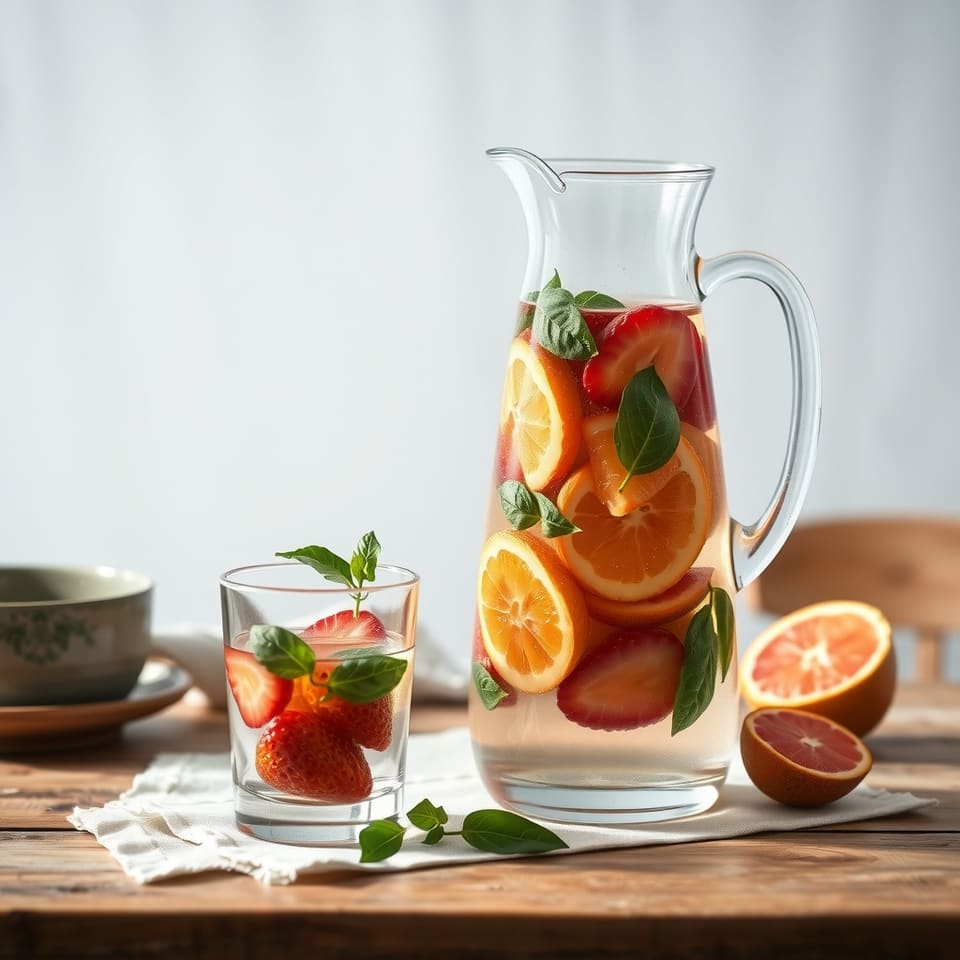
Strawberry, Orange and Basil Water
You need
- cold drinking water, still or sparkling1 liter (4 cups)
- strawberries, rinsed, hulled and sliced5 to 6
- orange, rinsed and cut into thin rounds1/2
- fresh basil leaves, or a small sprig of mint6 to 8
- ice cubes, optional1 handful
Method
- Wash your hands, then rinse the fruit and herbs under cold running water and pat them dry.
- Put the strawberries and orange rounds in a large jug. Clap the basil leaves gently between your palms to release their scent and add them.
- Pour in the cold water, stir and refrigerate for 1 to 2 hours so the flavor develops.
- Add ice just before serving. Top up with fresh water once or twice; the fruit will keep giving a little flavor.
Tips
- Try other pairs: cucumber and lime, apple and a cinnamon stick, or lemon and a small sprig of rosemary.
- Make a fresh jug each day, keep it in the fridge and discard the fruit when it turns soft.
- For a sparkling version, infuse in still water first, then top each glass with sparkling water so it does not go flat.
What the evidence says
NCCIH found only a small number of human studies on detox programs, mostly of low quality, and no studies of long-term effects. A 2015 review it cites found no compelling research to support detox diets for weight management. A 2017 review found that juicing and detox diets can cause some weight loss at first, but tend to lead to weight gain once a normal diet resumes.
None of this is about fruit water itself, and we found no studies that test it. The honest benefit is simpler. The NHS calls water a healthy and cheap way to stay hydrated, and suggests a slice of lemon or lime for flavor if you find plain water dull. It recommends about 6 to 8 cups or glasses of fluid a day for most people, more in hot weather, during long exercise, when ill, or if you are pregnant or breastfeeding.
Where it really helps: swapping sugary drinks
The most useful thing a jug of fruit water can do is replace something sweeter. The NHS advises swapping sugary drinks for lower-sugar options and keeping fruit juice and smoothies to one small glass, about 150 ml (5 fl oz), a day with a meal, because they are high in sugar. Sugar in drinks can also damage teeth.
Water with a few slices of fruit soaking in it is a much lighter option than a glass of juice. If it helps you reach for water instead of soda, that is a real gain.
Two safety checks most recipes skip
Grapefruit and some medicines do not mix. The US Food and Drug Administration explains that grapefruit and its juice can change how some medicines are absorbed, including some statins for cholesterol, some blood pressure drugs, some anti-anxiety and heart rhythm medicines, and certain transplant drugs. Seville oranges, pomelos and tangelos may have the same effect. If you take a regular medicine, check with your pharmacist before adding these to your water.
Wash the fruit first. Fruit and herbs sit in your water for hours, so the FDA advice applies: wash your hands, rinse produce under plain running water before cutting or peeling it, scrub firm produce such as cucumbers with a clean brush, and cut away bruised parts. Soap or special produce washes are not needed. Keep cut fruit and your jug in the fridge.
Questions people ask
Does lemon water flush out toxins?
No source we checked supports this. Lemon water is a pleasant way to drink more water, and that is its real benefit.
Can I eat the fruit afterward?
Yes, if it has been kept in the fridge and still looks and smells fresh. It will be softer and less sweet than fresh fruit.
How much detox water should I drink?
Treat it like water. The NHS suggests about 6 to 8 cups or glasses of fluid a day for most people, and more in hot weather or when active.
Sources
- "Detoxes" and "Cleanses": What You Need To Know — NCCIH
- Water, drinks and your health — NHS
- Grapefruit Juice and Some Drugs Don't Mix — US Food and Drug Administration
- 7 Tips for Cleaning Fruits, Vegetables — US Food and Drug Administration
This article is for general information only and is not medical advice. Herbs can interact with medicines and health conditions. Talk to a doctor or pharmacist before trying a herbal remedy, especially if you are pregnant, breastfeeding, giving it to a child, or taking any medication.