Other languages (Google Translate)
Home › Search
29 results for “cold”
Echinacea is one of the best-known cold herbs in the world, and one of the most studied. Here is what all that research found, what it means for a cup of tea, and who should skip it.
A light, fragrant broth with plenty of fresh ginger and garlic, ready in about half an hour. It will not shorten your cold, but it is an easy way to get warm fluids and a little food in when you feel run down.
A bowl of hot chicken soup is one of the world's oldest cold comforts. Here is what research has actually found, an easy soup packed with herbs, and how to keep a big batch safe.
A warm, spicy mug that may soothe a scratchy throat while a cold runs its course. Here is how to make it, what the research says, and who should be careful.
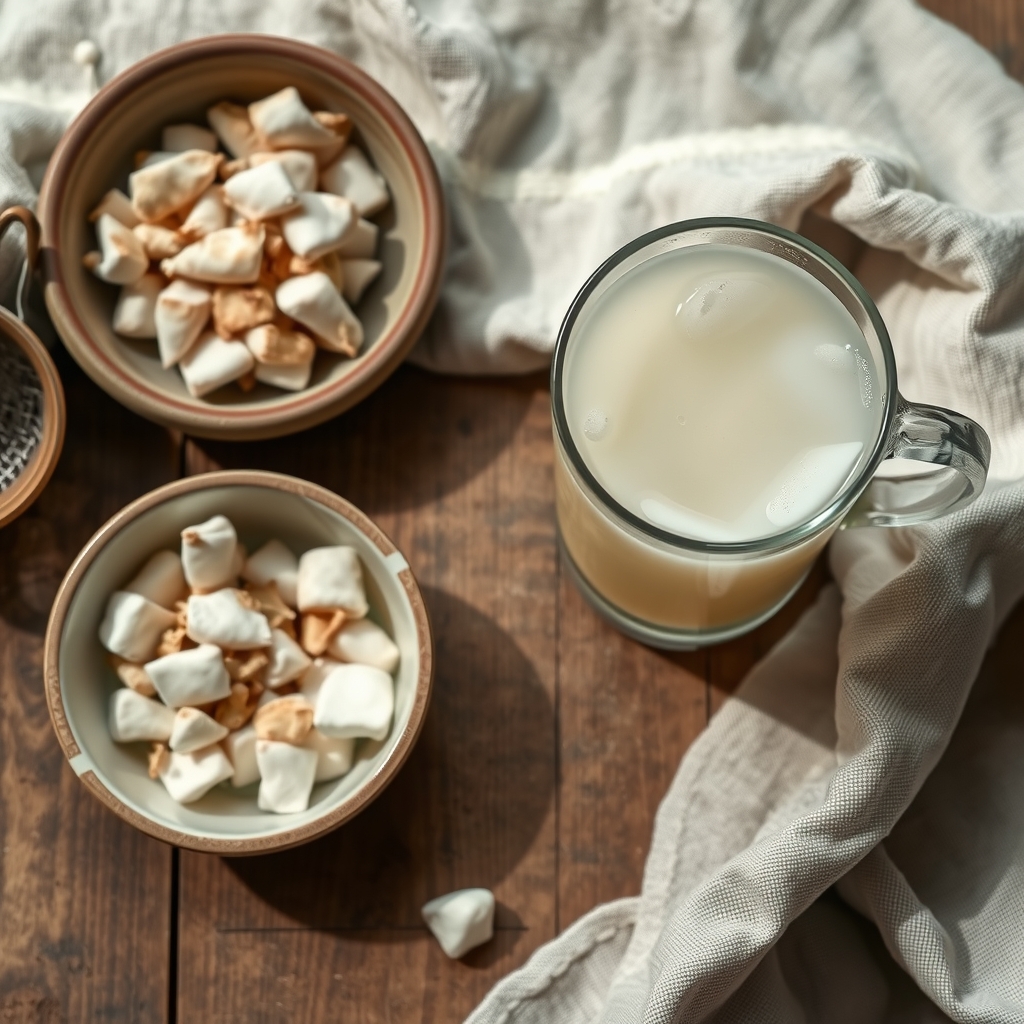
Soaking dried marshmallow root in cool water makes a mild, silky drink that is traditionally used for an irritated throat and a dry, tickly cough.
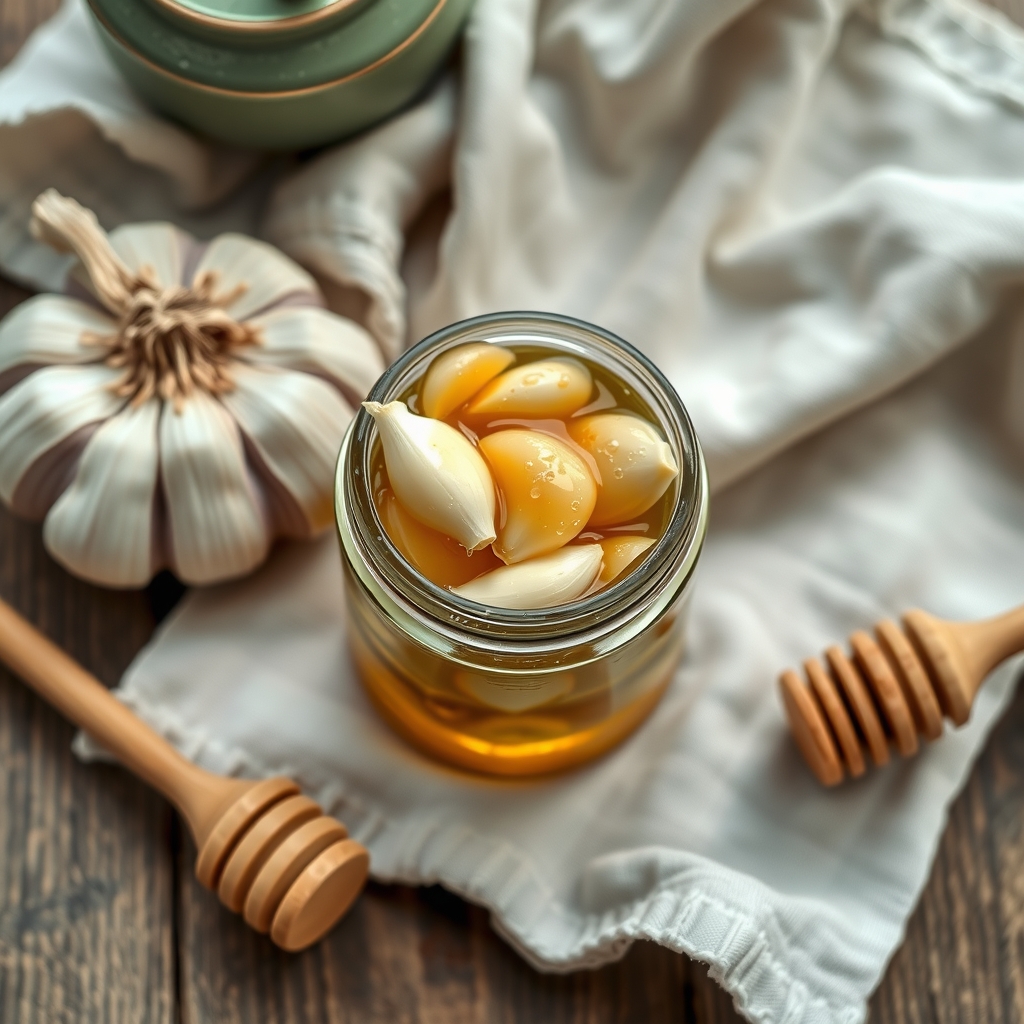
Garlic cloves soaked in honey are all over social media as a winter remedy. The research on garlic and colds is thin, and the popular long, room-temperature version has food safety questions you should know about.
In Greek homes, a pot of mountain tea simmering with a cinnamon stick is the classic winter cup. Here is how to make it, and what each of its three ingredients can and cannot do for a cold.
Not every cough is the same. A cough that brings up mucus and a dry, tickly cough call for slightly different drinks. Here is a simple guide to choosing, plus the signs that mean it is time to get checked.
A small spoon of honey is one of the few cough remedies for kids with some evidence behind it. Here is how much to give by age, the one rule you must never break, and what else helps.
A warm cup can feel good when pollen season leaves you blocked and sneezing, but no tea has been shown to stop allergies. Here is what the evidence says about popular choices, and what helps more.
When you have a fever, the most useful drink is usually the simplest one. Here is what to sip, what to avoid, how to spot dehydration in adults and children, and when to get help.
Most lost voices come back on their own once the voice box has had time to settle. Here is what helps it along, the common habit that slows it down, and the signs that need a doctor.
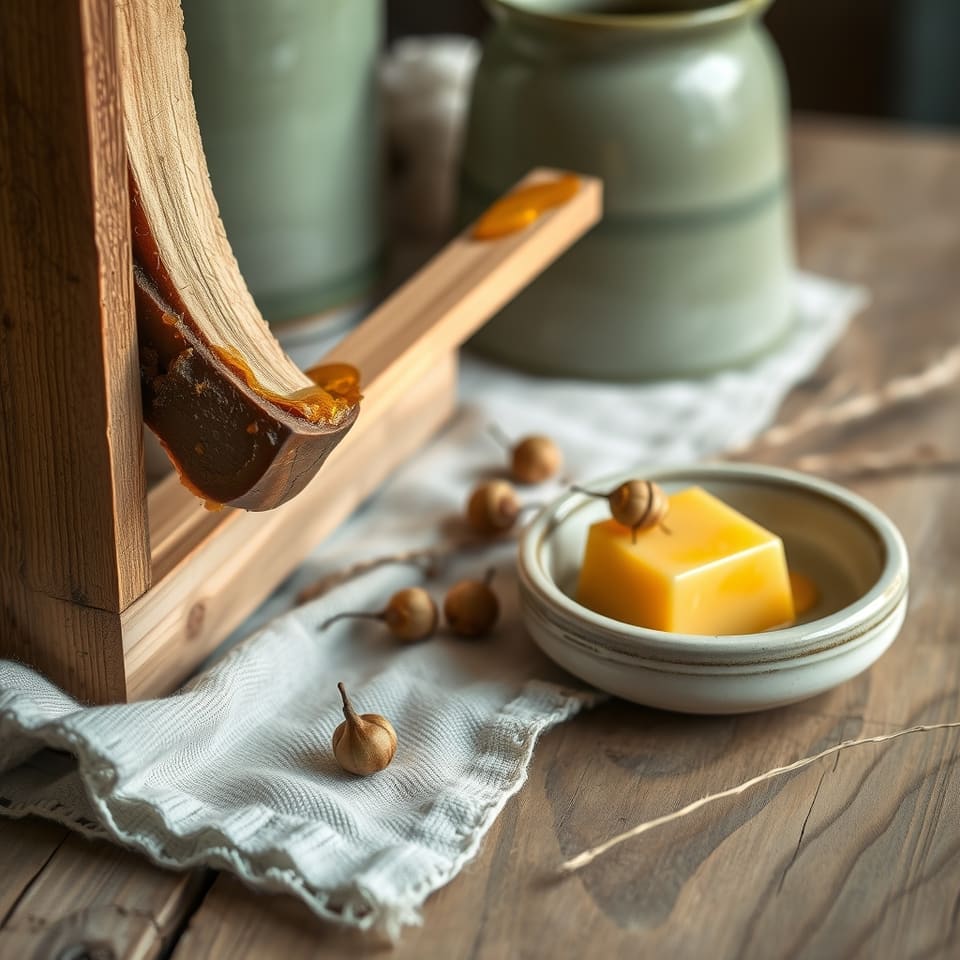
Propolis turns up in throat sprays, lozenges and toothpastes in many countries. Here is what this sticky bee product is, what the studies actually show, and why it is not as harmless as its natural image suggests.
Moist air can make a dry, scratchy night feel easier, but a humidifier is not a cure, and a dirty one can make breathing worse. Here is how to use one well.
Shelves are full of honeys that promise more: thyme, wildflower, buckwheat, manuka. Here is what the research on honey and coughs actually tested, and how to choose a jar without overpaying.
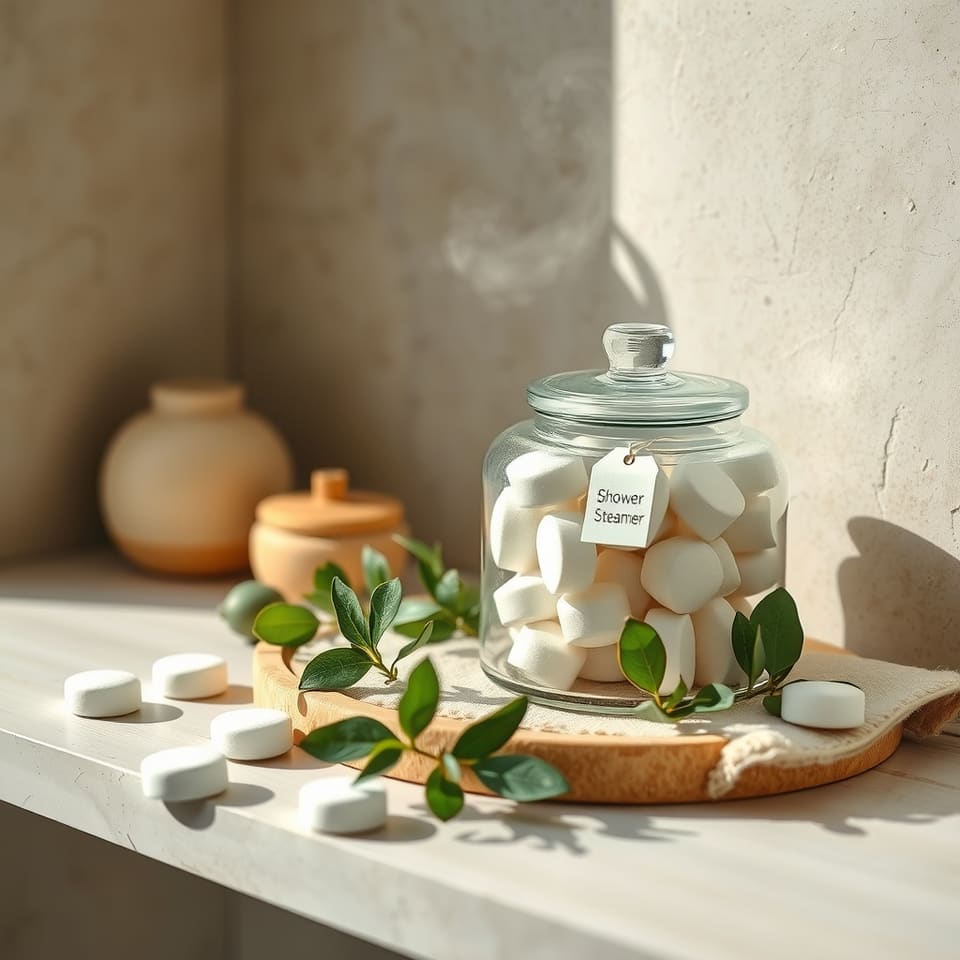
A fizzing tablet on the shower floor fills a steamy bathroom with a fresh eucalyptus scent. They are easy to make, but they contain concentrated oil, so they need the same care as any other medicine-cabinet item.
A tickly cough often seems to wake up just as you lie down. A warm, caffeine-free cup with honey before bed and a few small changes to your evening may make the night easier.
Sage and honey is a winter pairing in many herb gardens and kitchens. Here is a balanced cup for a sore throat, with honest notes on the evidence and on why sage is a herb to use in measured amounts.
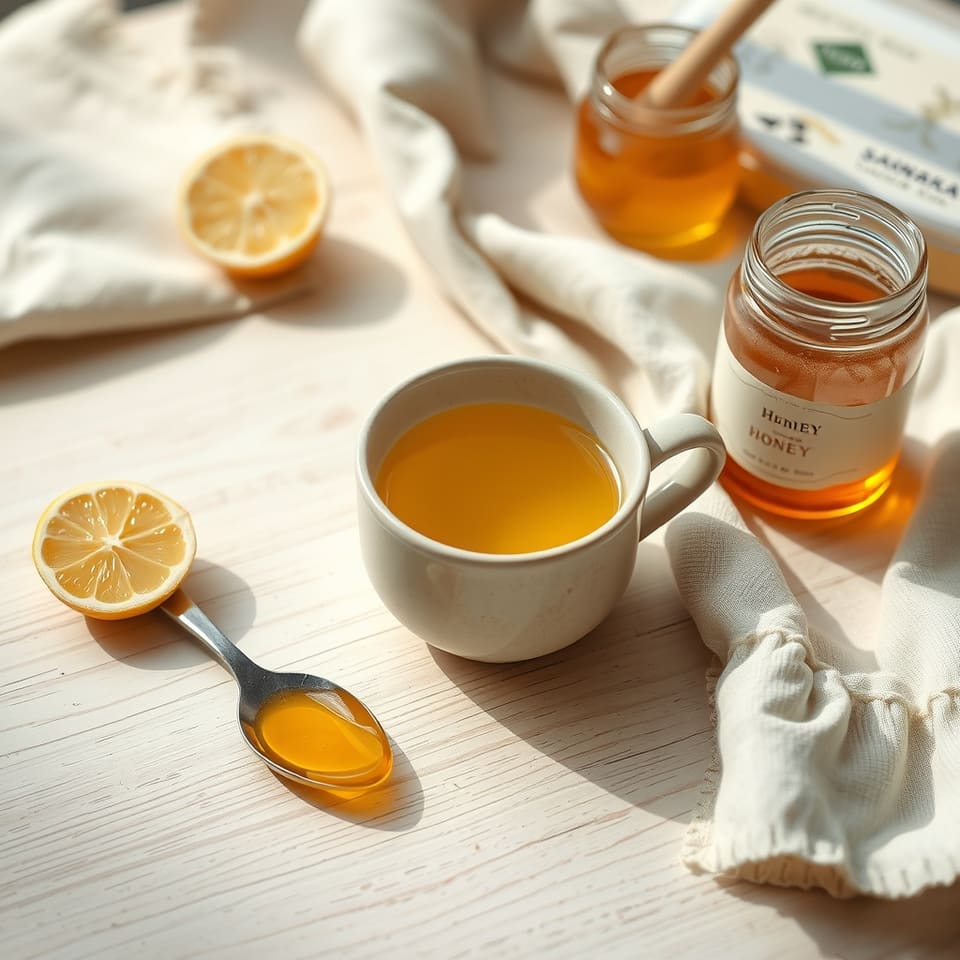
A warm cup of honey and lemon is one of the oldest comforts for a scratchy throat or a nagging cough. Here is how to make it, and what to expect from it.
Thyme has a long tradition as a tea for chesty coughs that come with a cold. Stirred with a little honey, it makes a fragrant, warming cup.
Sage has a long tradition as a mouth and throat rinse. Combined with the familiar salt water gargle, it makes a simple, fragrant option for a scratchy throat.
A simple simmered syrup made from ripe black elderberries. Cooking is not optional here: it is the step that makes the berries safe to use.
Warm, moist air can feel good when your nose is blocked. Here is how adults can do a thyme steam safely, and why children should never use a bowl of hot water.
Eucalyptus steam is a classic for a stuffy nose, and adults can use it with care. The oil itself is another matter: it is poisonous if swallowed, and it is not for babies, toddlers or children who have had seizures.
Common mallow grows by paths and walls all around the Mediterranean, and its soft leaves have long been brewed into a mild tea for an irritated throat. Here is how to make it and what is really known.
A salt water rinse can wash mucus out of a blocked nose, and it costs almost nothing. The one rule you must never break is the water: it has to be boiled, distilled or sterile, never straight from the tap.
Sliced onion layered with honey is a remedy many grandmothers swore by. Here is how to make it safely, and an honest look at which half of it has any research behind it.
It costs almost nothing and takes two minutes. Here is the right salt-to-water ratio, how to gargle properly, and the warning signs that mean a sore throat needs a doctor.
A spoonful of homemade thyme and honey syrup is an easy way to take two traditional cough comforts at once, without brewing a fresh cup every time.
Put your shop, brand or service in front of people reading about herbs, natural skin care and home remedies, in English and Greek.