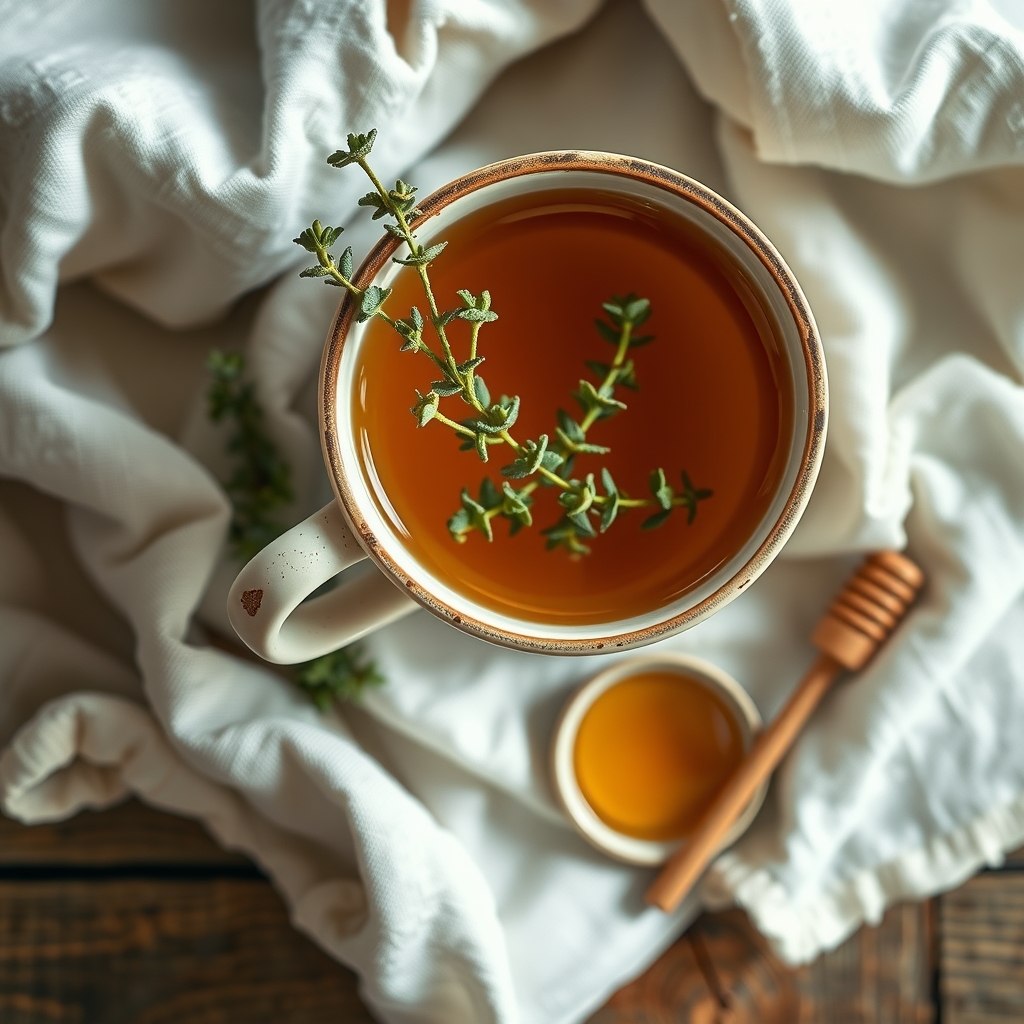
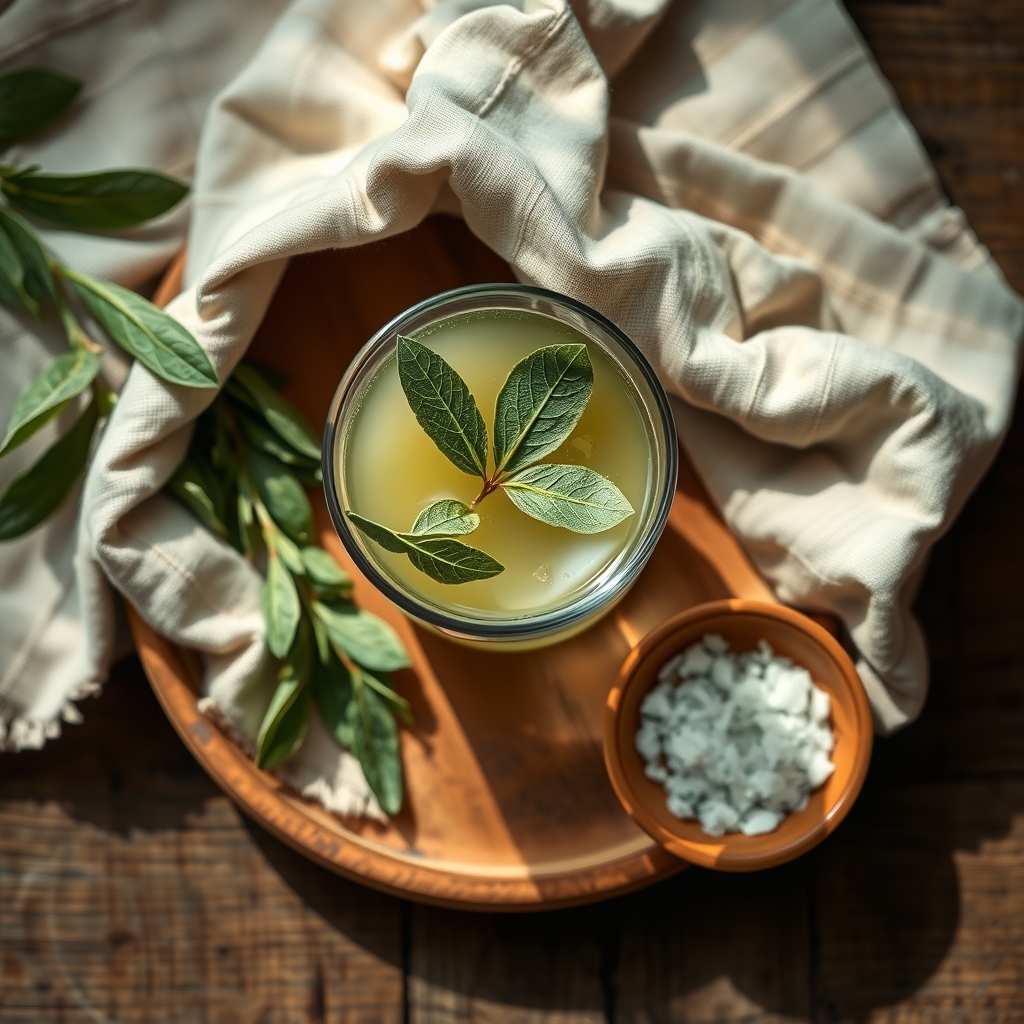
Common Mallow Leaf Tea for a Dry, Scratchy Throat
Common mallow grows by paths and walls all around the Mediterranean, and its soft leaves have long been brewed into a mild tea for an irritated throat. Here is how to make it and what is really known.
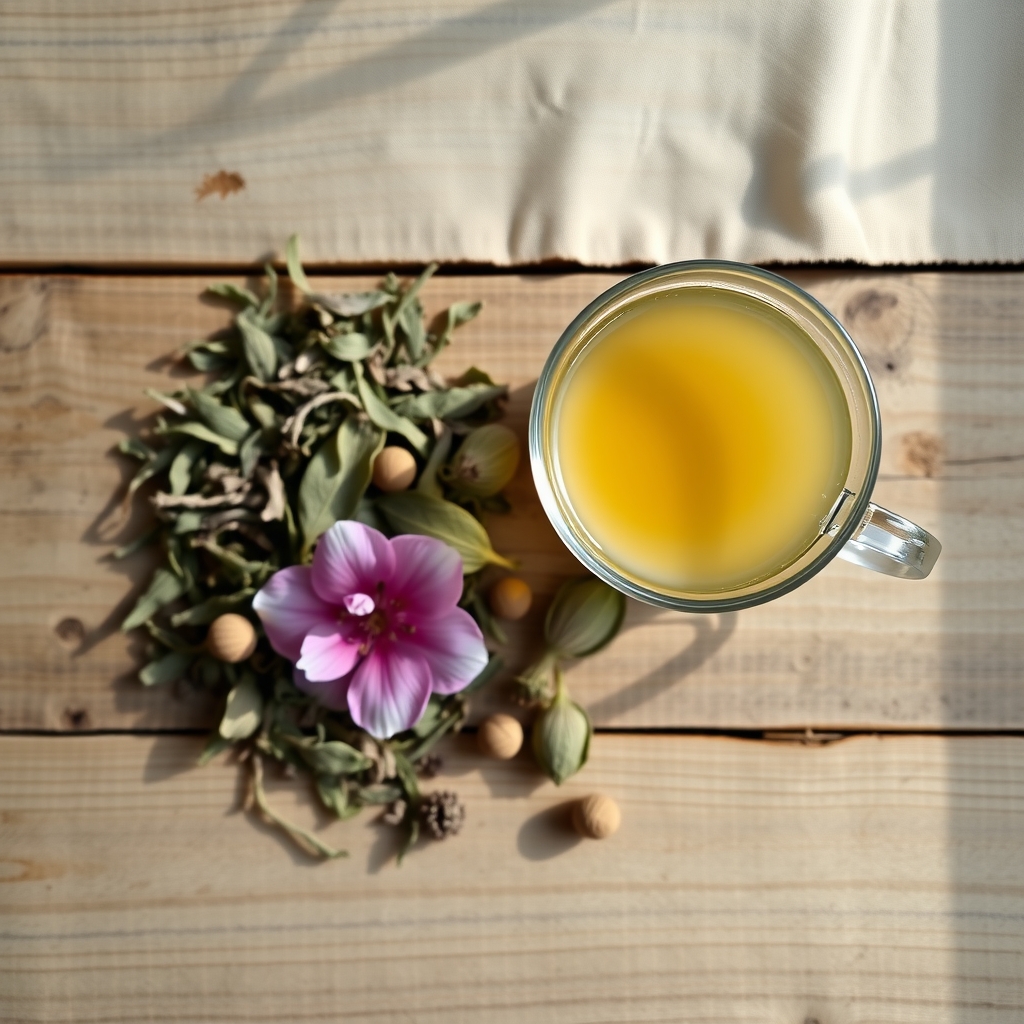
If you grew up anywhere around the Mediterranean, you may know common mallow as a weed with round, crinkled leaves and small pink-purple flowers. In Greece and Cyprus it is called molocha, and for generations people have picked it for the pot and brewed it into a gentle tea when their throat felt dry and scratchy.
This guide explains why mallow has that reputation, what European herbal experts have concluded about it, how to make a simple cup at home, and who should leave it alone.
Why people use it
Mallow leaves are rich in mucilage, a soft, slippery plant substance. A European Medicines Agency (EMA) report puts it at about 6 to 8% of the dried leaf. When you brew the leaves, the tea has a faintly silky feel, which is why mallow is grouped with other traditional soothing herbs such as marshmallow root.
Mallow is also a food plant. The same EMA report notes that young leaves and stems are traditionally eaten in soups and salads, raw or cooked, across the Mediterranean. So for many families, mallow tea is simply part of the kitchen, not a medicine cabinet.
Simple Mallow Leaf Tea
You need
- dried, crumbled mallow leaf, weighed on a kitchen scale1.8 g
- freshly boiled water150 ml (2/3 cup)
- honey, optional, adults and children over 12 months only1 tsp
Method
- Put the dried mallow leaf into a cup or small teapot.
- Pour over the freshly boiled water and cover the cup with a saucer.
- Leave to steep for 10 to 15 minutes.
- Strain through a fine sieve, pressing the leaves gently.
- Let it cool until it is comfortably warm, not hot, then stir in honey if you like and sip slowly.
Tips
- The amount here follows the EU herbal monograph: 1.8 g of leaf in 150 ml of water, up to three times a day, for adults and teenagers aged 12 and over.
- Mallow tea tastes mild and slightly grassy. A thin slice of lemon added after straining makes it brighter.
- Make each cup fresh rather than keeping a jug in the fridge for days.
What the evidence says
The EMA's herbal committee has reviewed mallow leaf, from the species Malva sylvestris and Malva neglecta. It concluded that, based on long-standing use, mallow leaf preparations can be used to relieve irritation of the mouth or throat with an associated dry cough, and mild stomach and gut discomfort.
That is a traditional-use conclusion, not proof from clinical trials. The committee noted that the support comes from long use and from laboratory studies showing anti-inflammatory effects, and that studies in patients are lacking. In plain terms, mallow tea is a reasonable, gentle comfort measure for a dry throat, but nobody has shown in good trials that it shortens a cold or a sore throat.
For comparison, the NHS says most sore throats get better on their own within about a week, and suggests simple self-care such as drinking plenty of water, resting, and eating cool or soft foods. A warm cup of mallow tea fits easily alongside that.
Picking and buying mallow
Dried mallow leaf is sold by herbalists and some pharmacies. If you prefer to pick your own, only use a plant you can identify with complete confidence. Choose clean leaves away from roads, dog-walking paths and anywhere that may have been sprayed with weedkiller.
Rinse fresh leaves well and dry them flat in a shady, airy spot until they crumble. Dried leaves are easier to measure and keep for months in a sealed jar away from light.
Questions people ask
Is common mallow the same as marshmallow root?
No. They are relatives in the same plant family and both contain mucilage, but marshmallow root comes from a different plant, Althaea officinalis. This recipe uses the leaves of common mallow, Malva sylvestris or Malva neglecta.
How many cups can I drink a day?
The EU monograph gives up to three cups a day for adults and teenagers aged 12 and over, each made with 1.8 g of leaf in 150 ml of water. If your throat is still irritated after a week, see a doctor.
Can I use fresh leaves instead of dried?
Many families do, but fresh leaves are harder to measure and the official dose is based on dried leaf. If you use fresh leaves, make sure you are certain of the plant, wash them well, and keep the tea weak.
Sources
- Malvae folium - herbal medicinal product — European Medicines Agency
- European Union herbal monograph on Malva sylvestris L. and/or Malva neglecta Wallr., folium — European Medicines Agency
- Assessment report on Malva sylvestris L. and/or Malva neglecta Wallr., folium and Malva sylvestris L., flos — European Medicines Agency
- Sore throat — NHS
This article is for general information only and is not medical advice. Herbs can interact with medicines and health conditions. Talk to a doctor or pharmacist before trying a herbal remedy, especially if you are pregnant, breastfeeding, giving it to a child, or taking any medication.