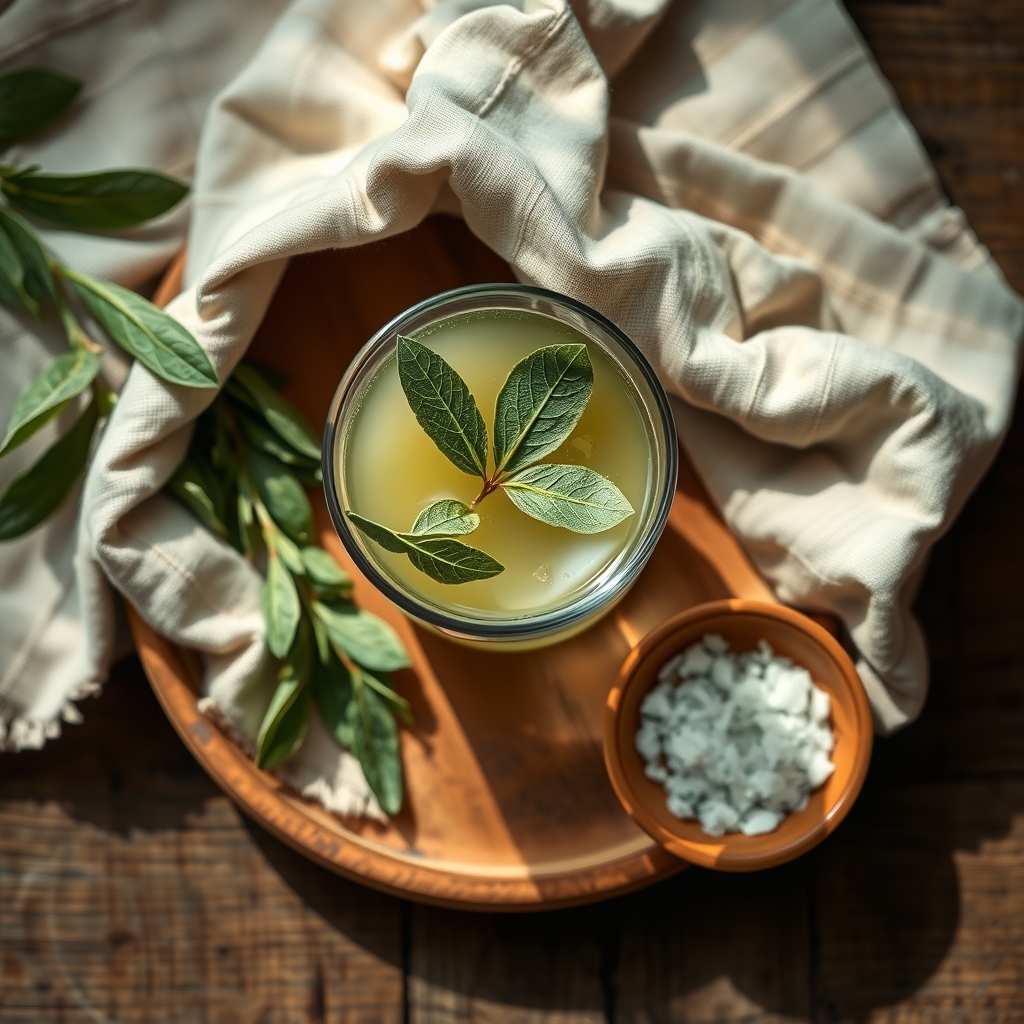
Thyme Tea with Honey for Coughs
Thyme has a long tradition as a tea for chesty coughs that come with a cold. Stirred with a little honey, it makes a fragrant, warming cup.

Thyme is not just for roast vegetables. In much of Europe it has long been brewed as a tea for the kind of chesty, phlegmy cough that tags along with a cold.
Here you will find a simple thyme and honey tea, a clear look at how strong the evidence is, and the safety points to check before you brew it.
Why people use thyme
The European Medicines Agency, which reviews herbal medicines in the EU, recognizes thyme as a traditional herbal medicine for productive (chesty) coughs associated with colds. That status rests on long-standing use rather than proof from clinical trials.
Honey adds sweetness and a soothing feel. The NHS lists a hot honey and lemon drink among home remedies for a cough, so combining it with thyme follows the same comforting idea.
Thyme and Honey Tea
You need
- freshly boiled water150 ml (2/3 cup)
- dried thyme, or 3 to 4 fresh sprigs1 to 2 g (about 1 teaspoon)
- honey1 teaspoon
Method
- Put the thyme in a cup or small teapot.
- Pour over the freshly boiled water and cover to hold in the aroma.
- Steep for 10 minutes, then strain.
- Let it cool until comfortably warm, stir in the honey, and sip slowly.
Tips
- Use ordinary garden thyme, the kind sold for cooking.
- Add a squeeze of lemon if you like a brighter flavor.
What the evidence says
The honest answer is that evidence is limited. The European Medicines Agency judged the clinical evidence for thyme to be insufficient. One small study in 60 adults found no significant difference between thyme and a standard cough medicine, but it was too small to draw firm conclusions.
The NHS likewise says there is limited evidence that home remedies ease a cough. Most coughs clear up on their own within three to four weeks, so thyme tea is best seen as a traditional comfort while that happens.
How much and how often
The European herbal monograph for thyme tea describes 1 to 2 g of dried thyme in 150 ml of boiling water, three to four times a day, for adults and teenagers over 12.
If your cough has not improved after a week of using thyme, or it gets worse, stop and speak to a doctor or pharmacist.
Looking after yourself with a cough
A warm cup is only one part of getting through a cold. The NHS suggests resting, drinking plenty of fluids, and staying at home if you have a high temperature or feel unwell.
Paracetamol or ibuprofen can help with aches or a sore throat that comes with the cough. Ask a pharmacist which is right for you, especially if you take other medicines or have a long-term health condition.
Keep track of how you feel from day to day. A cough that slowly eases is normal. One that gets worse, comes with new symptoms, or simply will not go away needs a professional opinion.
Questions people ask
Can I use fresh thyme instead of dried?
Yes. Use three to four fresh sprigs per cup. The flavor will be a little greener and softer than dried thyme.
Is thyme tea good for a dry cough?
The traditional use recognized in Europe is for chesty, productive coughs that come with a cold. Evidence for any type of cough is limited.
How many cups a day is reasonable?
The European monograph describes up to three to four cups a day for adults and teenagers over 12. Stop and see a doctor if there is no improvement after a week.
Sources
- Thymi herba - herbal medicinal product — European Medicines Agency
- Community herbal monograph on Thymus vulgaris L. and Thymus zygis L., herba — European Medicines Agency
- Cough — NHS
- Botulism Prevention — CDC
This article is for general information only and is not medical advice. Herbs can interact with medicines and health conditions. Talk to a doctor or pharmacist before trying a herbal remedy, especially if you are pregnant, breastfeeding, giving it to a child, or taking any medication.