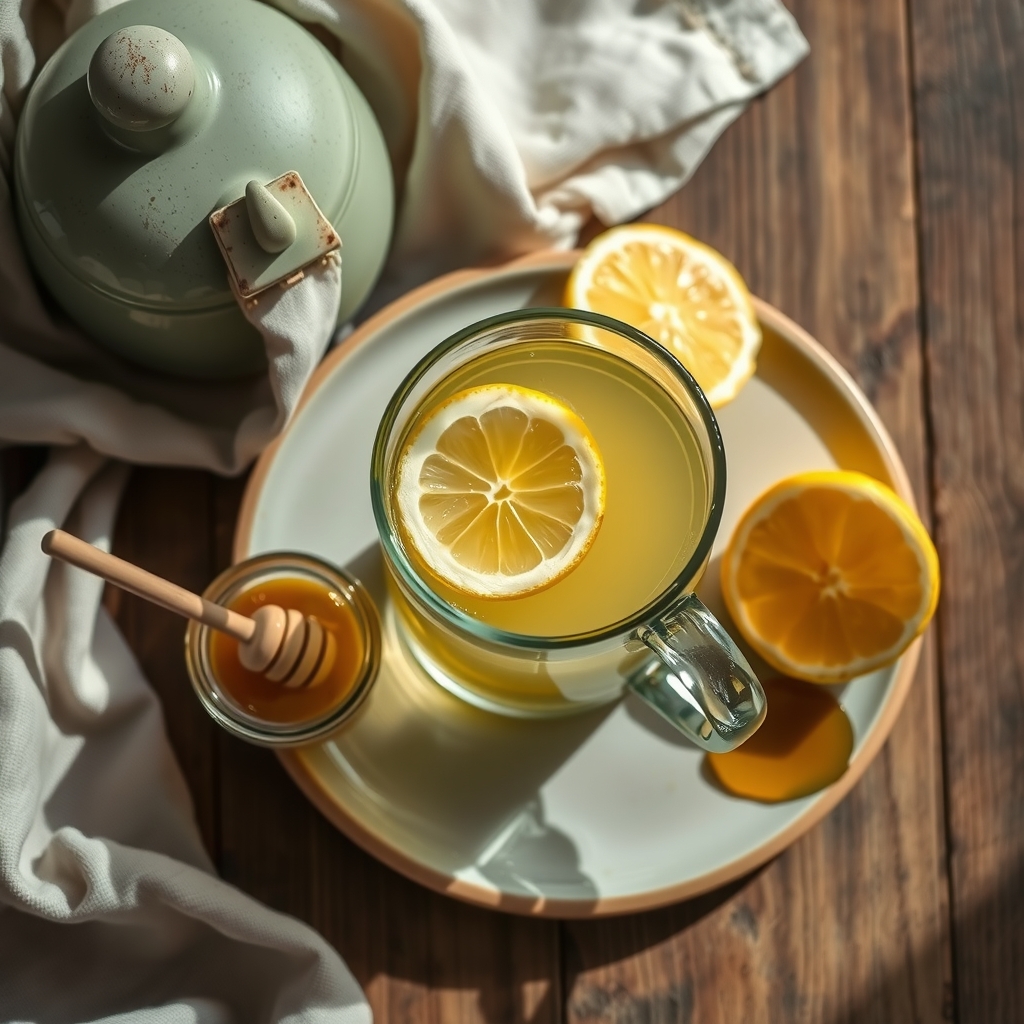
Ginger, Lemon and Honey Tea for Colds
A warm, spicy mug that may soothe a scratchy throat while a cold runs its course. Here is how to make it, what the research says, and who should be careful.
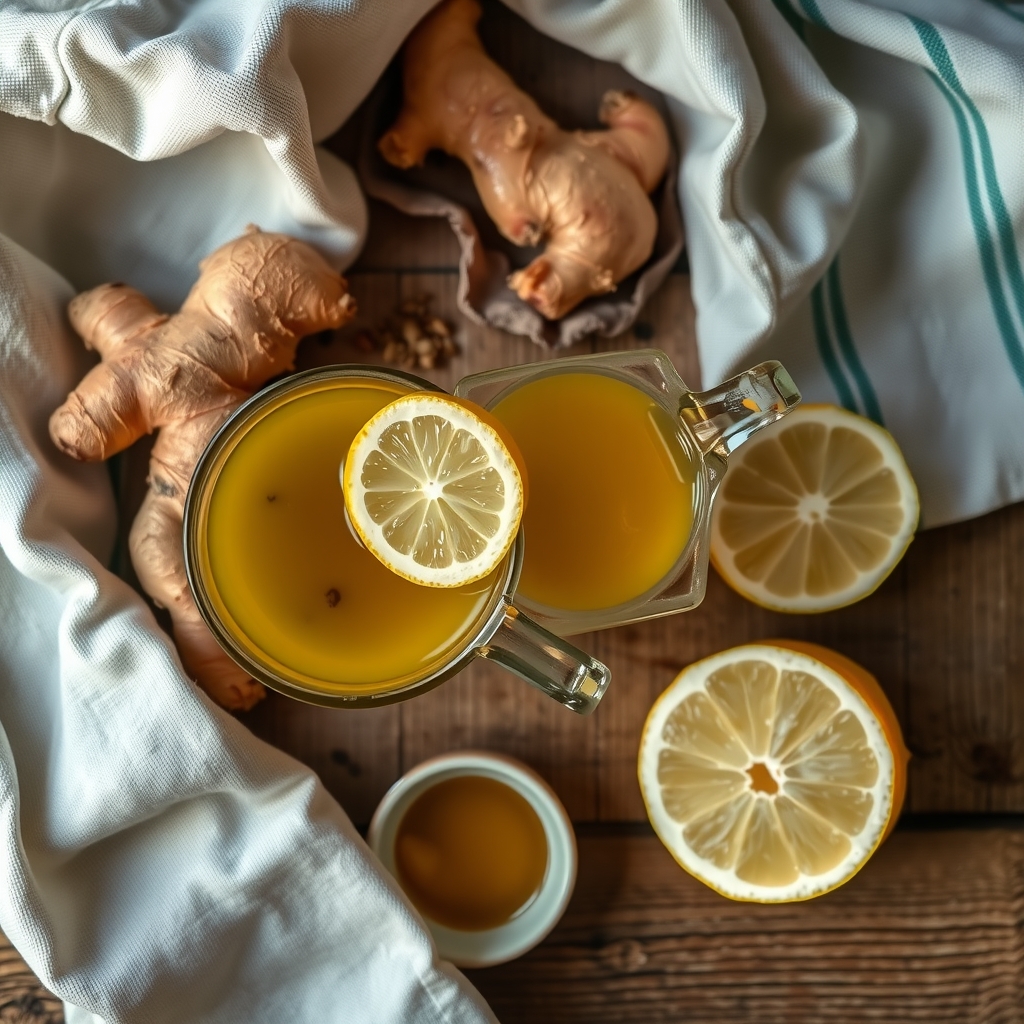
When a cold settles in, few things feel as comforting as a hot mug held in both hands. Ginger, lemon and honey tea is a classic home drink for exactly those days: a little warming spice, a bright hit of citrus and a spoonful of honey.
It will not shorten your cold or kill a virus, and it is not a replacement for rest. But a warm drink is a gentle way to keep your fluids up, and the honey and lemon part has some backing from health services as a throat soother. Here is what you need to know.
Why people reach for it
Colds are caused by viruses, so antibiotics do not help. The usual advice from the NHS is to rest, drink plenty of fluids and look after yourself while your body does the work.
A hot lemon and honey drink is one of the self-care ideas the NHS suggests for soothing a sore throat during a cold. Adding fresh ginger is a traditional twist. Ginger has long been used for digestive upsets, nausea and respiratory complaints, and many people simply enjoy its warmth when they feel run down.
Ginger, Lemon and Honey Tea
You need
- water300 ml (1 1/4 cups)
- fresh ginger root, thinly sliced (no need to peel)2 to 3 cm (1 inch)
- lemon, juiced1/2
- honey, to taste1 to 2 tsp
Method
- Put the sliced ginger and water in a small pan and bring to a boil.
- Turn the heat down and simmer gently for 10 minutes. The longer it simmers, the spicier it gets.
- Strain into a mug and let it cool for a couple of minutes.
- Stir in the lemon juice and honey once the tea is warm rather than boiling.
- Sip slowly while it is comfortably warm.
Tips
- If you have no fresh ginger, a pinch of ground ginger works, though the flavor is flatter.
- Prefer it milder? Use fewer slices or simmer for only 5 minutes.
- Skip the ginger entirely and you still have the plain hot lemon and honey drink the NHS describes.
What the evidence says
Honey has the most support of the three. Several studies in people with upper respiratory infections, including children over 1 year old, found that honey eased coughing and helped sleep. Mayo Clinic notes it seemed to work about as well as a common over-the-counter cough ingredient, but says better-quality studies are still needed.
Ginger is a different story. Research on ginger has mostly looked at nausea, where it may help in pregnancy. Memorial Sloan Kettering Cancer Center notes that human data on ginger for respiratory symptoms are lacking, and NCCIH does not list colds among its studied uses. So the ginger here is for flavor and comfort, not a proven cold remedy.
Lemon adds taste and makes the drink more appealing to sip. Treat the whole mug as a pleasant way to stay hydrated and calm a scratchy throat, not as medicine.
Getting the most from your mug
Let the tea cool until it is warm rather than scalding. Very hot drinks can be uncomfortable on a sore throat, and you will sip more of something you can actually drink.
You can make a bigger batch of the ginger part and keep it in the fridge for a day, then add lemon and honey to each mug fresh. Alongside it, keep up the basics: rest, other fluids and simple food.
Questions people ask
Will ginger tea get rid of my cold faster?
No. Colds are caused by viruses and usually clear up on their own. There is little human research on ginger for cold symptoms, so think of this tea as a soothing drink rather than something that shortens your cold.
Can I give this to my child?
Not to babies under 12 months, because of the honey. For older children, let it cool well and use only a little ginger. Ask your pediatrician if you are unsure, especially for young children.
How many cups a day is reasonable?
A few mugs spread through the day is a common home approach. Keep the honey modest, and if ginger upsets your stomach or you take blood thinners or diabetes medicines, cut back and ask your doctor.
Sources
- Common cold — NHS
- Honey: An effective cough remedy? — Mayo Clinic
- Ginger: Usefulness and Safety — NCCIH
- Ginger (About Herbs) — Memorial Sloan Kettering Cancer Center
This article is for general information only and is not medical advice. Herbs can interact with medicines and health conditions. Talk to a doctor or pharmacist before trying a herbal remedy, especially if you are pregnant, breastfeeding, giving it to a child, or taking any medication.