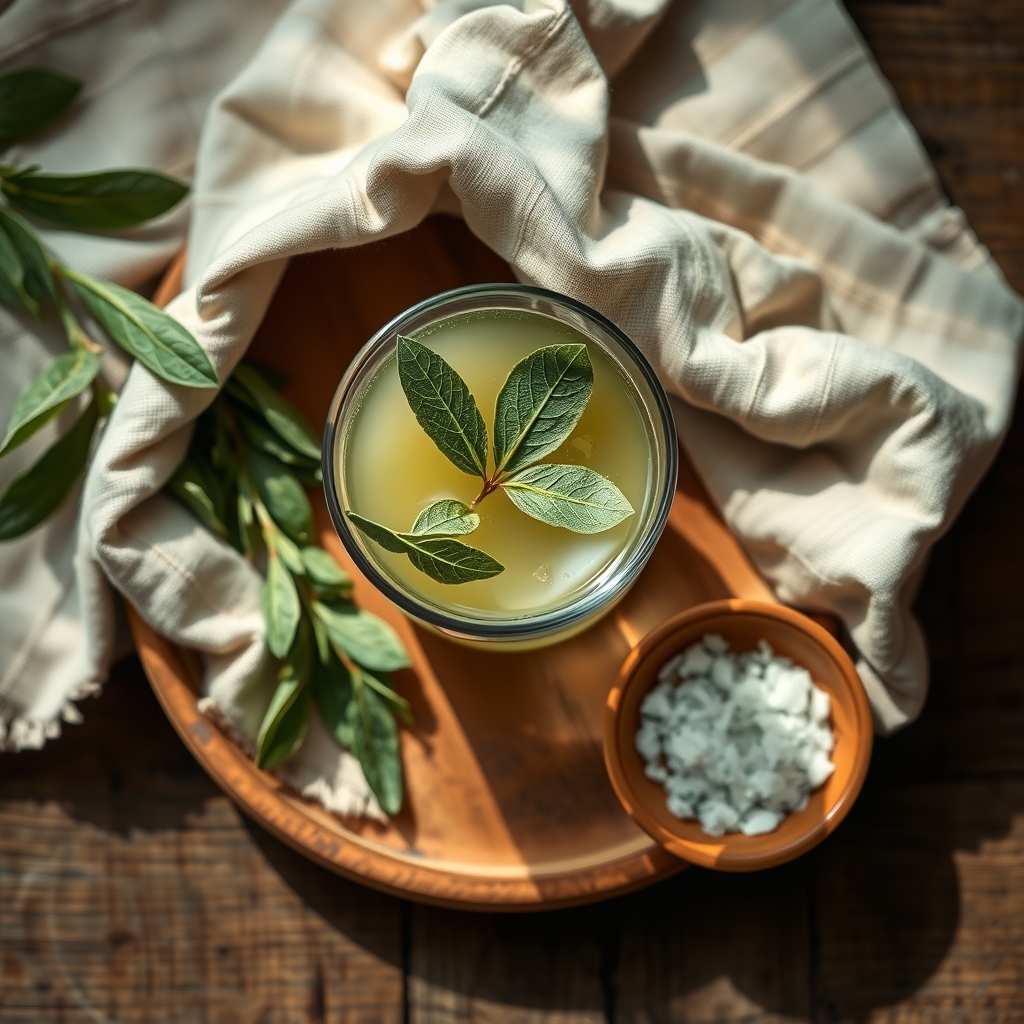
Thyme and Honey Syrup for Adults with a Cough
A spoonful of homemade thyme and honey syrup is an easy way to take two traditional cough comforts at once, without brewing a fresh cup every time.
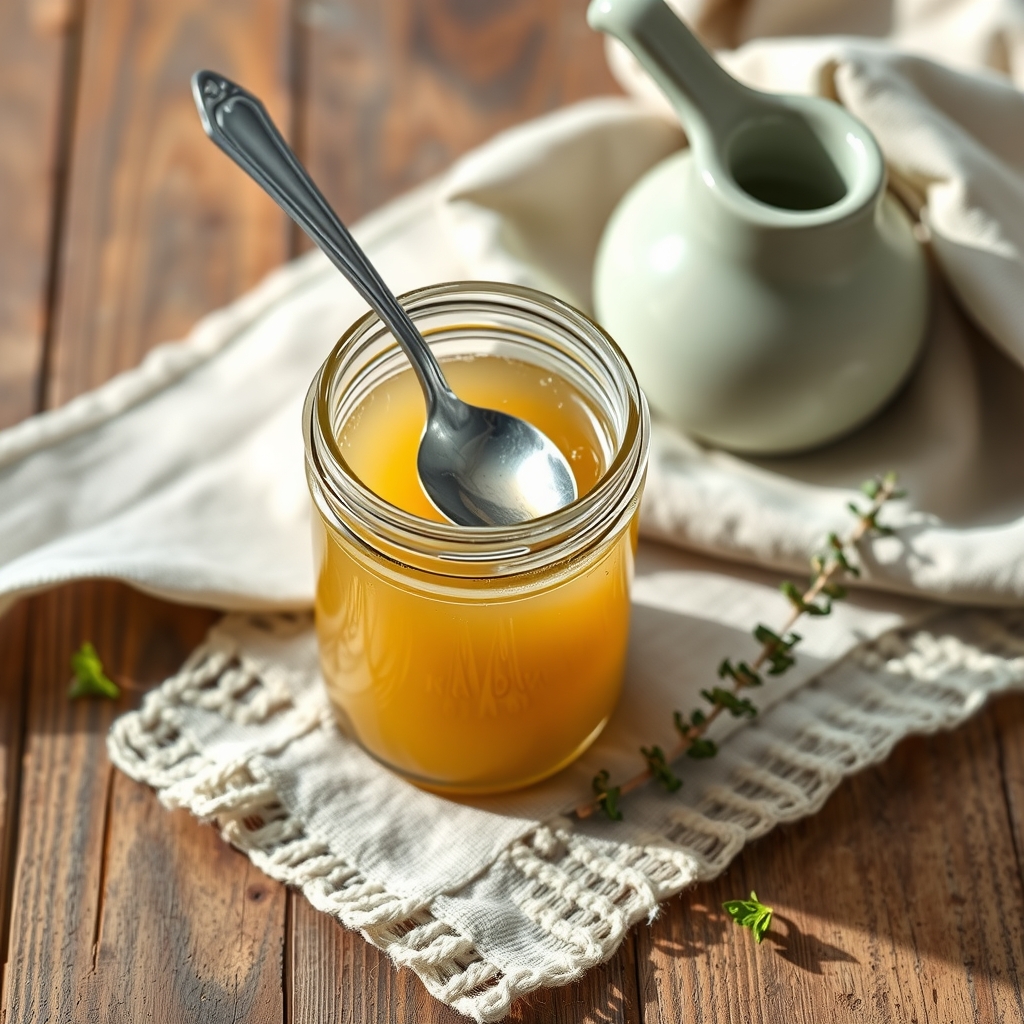
When a cold settles on your chest, it helps to have something soothing within reach, especially at night. This syrup blends a strong thyme infusion with honey, so you can take a spoonful straight from the jar or stir it into warm water.
It is meant for adults. Below you will find the recipe, how to store it safely, what the research really shows, and the signs that a cough needs medical attention.
Why thyme and honey
Honey is the better-studied half. Mayo Clinic notes that several studies in people with upper respiratory infections found honey reduced coughing and improved sleep, and that it seemed to work about as well as a common over-the-counter cough medicine ingredient.
Thyme is recognized by the European Medicines Agency as a traditional herbal medicine for chesty coughs that come with colds, mainly for adults and teenagers over 12. A syrup simply puts the two together in a form that keeps for a few days.
Thyme and Honey Syrup
You need
- freshly boiled water125 ml (1/2 cup)
- dried thyme, or a small handful of fresh sprigs4 g (about 2 tablespoons)
- runny honey125 ml (1/2 cup)
- lemon juice, optional1 tablespoon
Method
- Wash a small glass jar and its lid in hot soapy water, rinse well and let it dry.
- Put the thyme in a heatproof jug, pour over the freshly boiled water, cover and steep for 15 minutes.
- Strain through a fine sieve, pressing gently on the herbs. You should have a little under 125 ml of strong, amber infusion.
- Let the infusion cool until it is warm but not hot, below about 40°C (104°F), then stir in the honey and lemon juice until smooth.
- Pour into the clean jar, seal, label with the date, and keep it in the fridge.
Tips
- Use the syrup within a week. Throw it away if it smells sour, starts to fizz, or shows any mold.
- Always use a clean, dry spoon so you do not introduce bacteria into the jar.
- Stir well before each use, as it can separate slightly in the fridge.
What the evidence says
Be realistic about what a spoonful can do. Mayo Clinic says higher-quality studies on honey are still needed. The European agency's recognition of thyme rests on long-standing use, and it notes that clinical evidence is limited.
The NHS says there is limited evidence that home remedies such as honey actually ease a cough, and that most coughs clear up by themselves within three to four weeks. This syrup is a comfort while your body recovers, not a cure.
How to use it
Take 1 to 2 teaspoons (5 to 10 ml) when your cough is bothering you, a few times a day at most. You can take it off the spoon, let it sit at the back of your throat, or stir it into a cup of warm water.
Keep an eye on the sugar. The NHS counts honey as a free sugar and advises adults to keep free sugars to 30 g a day or less, so a few spoonfuls of syrup make up a real share of that. If you have diabetes, count it as you would any sugar.
Rest and drink plenty of fluids too. If your cough has not improved after a week of using thyme, or it is getting worse, see a doctor.
Questions people ask
Can children have this syrup?
This version is for adults. Never give honey to a baby under 12 months. For older children, ask a pharmacist or doctor what is suitable, as most thyme preparations are meant for over-12s.
How is this different from thyme tea?
It uses the same two ingredients, but the syrup is more concentrated in honey and keeps in the fridge for a few days, so you can take a quick spoonful at night instead of brewing a fresh cup.
Can I keep it in the cupboard instead of the fridge?
No. Because the honey is diluted with water, the syrup can spoil more easily than plain honey. Keep it in the fridge and use it within a week.
Sources
- Honey: An effective cough remedy? — Mayo Clinic
- Thymi herba - herbal medicinal product — European Medicines Agency
- Cough — NHS
- Sugar: the facts — NHS
This article is for general information only and is not medical advice. Herbs can interact with medicines and health conditions. Talk to a doctor or pharmacist before trying a herbal remedy, especially if you are pregnant, breastfeeding, giving it to a child, or taking any medication.