Homemade Elderberry Syrup (Cooked Berries Only)
A simple simmered syrup made from ripe black elderberries. Cooking is not optional here: it is the step that makes the berries safe to use.
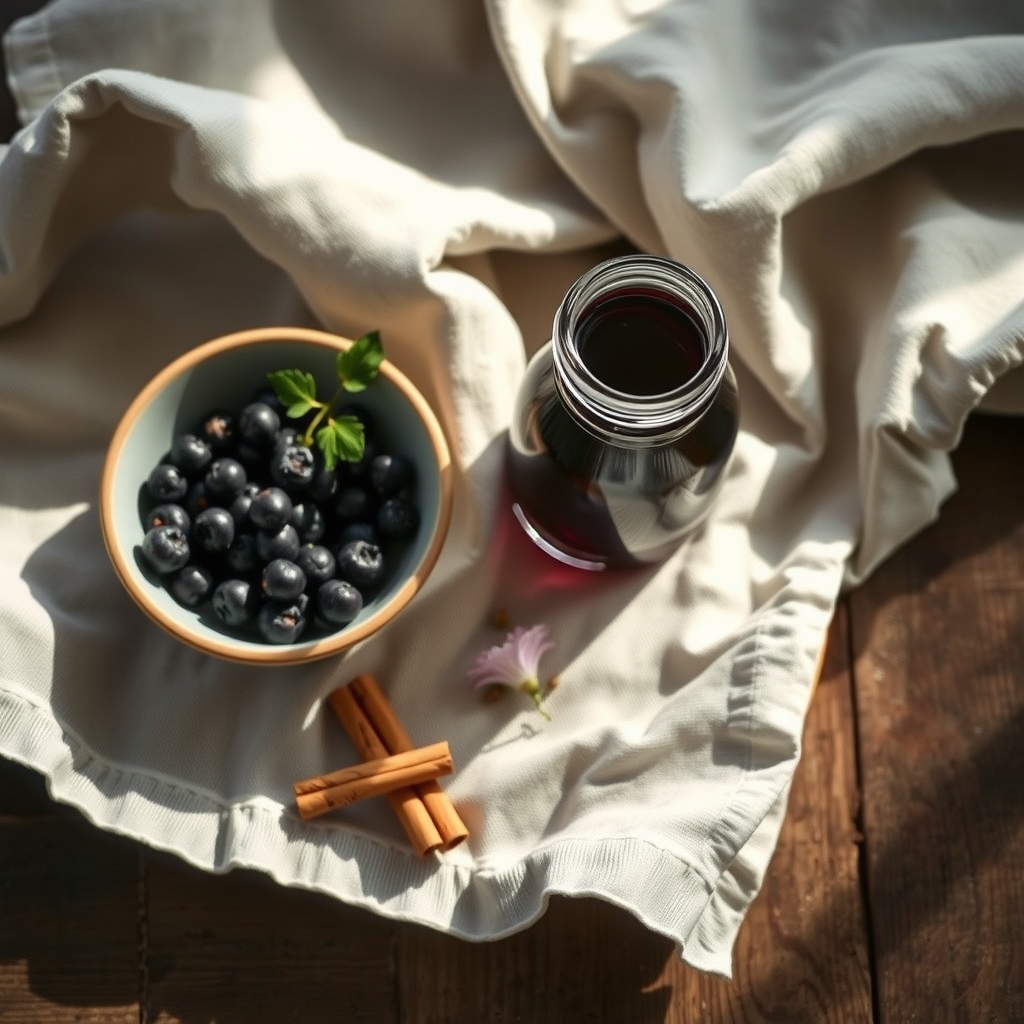
Elderberry syrup is one of the most popular home remedies of cold and flu season. It is deep purple, tart and sweet, and easy to make in one pot on a weekend afternoon.
There is one rule you cannot skip. Raw or unripe elderberries, and the leaves, stems and other parts of the elder plant, can make you sick. Cooking ripe berries removes that risk, so this recipe is built around a long, gentle simmer.
Why people use it
Elderberries come from the elder tree, and people in Europe and North America have cooked them into syrups, jams and drinks for generations. Today, many people reach for a spoonful when they feel a cold or the flu coming on.
Part of the appeal is simple comfort. A warm mug of hot water with a spoonful of syrup is soothing, tastes good and keeps you drinking fluids when you feel run down.
Simmered Elderberry Syrup
You need
- dried black elderberries, or fresh fully ripe dark berries with every stem removed75 g (2/3 cup)
- water750 ml (3 cups)
- cinnamon stick (optional)1
- fresh ginger (optional)3 thin slices
- honey, or maple syrup for a honey-free version120-240 ml (1/2-1 cup)
Method
- Check your berries. Pick out any green berries, leaves or bits of stem, then rinse.
- Put the berries, water, cinnamon and ginger in a saucepan. Bring to a boil, then lower the heat.
- Simmer uncovered for about 45 minutes, until the liquid has reduced by roughly half. Stir now and then.
- Take the pan off the heat and mash the berries gently with a spoon or potato masher.
- Strain through a fine sieve, pressing the berries to get all the liquid out. Throw the pulp away.
- Let the liquid cool until it is warm, not hot, then stir in the honey or maple syrup until dissolved.
- Pour into a clean glass jar, seal and keep in the fridge.
Tips
- Use the syrup within about two weeks, and throw it out if it smells off or shows any mold.
- Stir a spoonful into a mug of hot water, or drizzle it over yogurt or pancakes.
- Only use fresh berries you are completely sure you have identified correctly, and never eat them raw while you work.
What the evidence says
Honestly, not much is settled. The US National Center for Complementary and Integrative Health (NCCIH) says only a small number of studies have looked at elderberry for colds, flu and other upper respiratory infections.
Some early research suggests elderberry may help relieve flu or cold symptoms, but the evidence is limited. Think of homemade syrup as a pleasant, traditional drink, not as a medicine that will shorten an illness.
Why cooking matters
According to NCCIH, raw or unripe elderberries and other parts of the elder tree contain substances that can produce cyanide. Eating them can cause nausea, vomiting and severe diarrhea, and large amounts may cause serious illness. Cooking eliminates this toxin.
A CDC report shows how this can go wrong. In 1983, 11 of 25 people at a gathering in California became ill after drinking juice made from wild elderberries that had been pressed together with their leaves and branches. Eight were taken to hospital, and all recovered. The report advises against crushing leaves and stems into juice and notes that cooked elderberries are generally considered safe.
Questions people ask
Can I eat elderberries raw?
No. Raw or unripe elderberries can cause nausea, vomiting and severe diarrhea. Always cook them first.
Will elderberry syrup cure my cold?
No. Some early studies suggest it may ease cold or flu symptoms, but the evidence is limited. Rest, fluids and time are still the basics.
Can children have elderberry syrup?
Never give honey to babies under 12 months. For older children, the research on elderberry is limited, so ask your pediatrician before using it.
Sources
This article is for general information only and is not medical advice. Herbs can interact with medicines and health conditions. Talk to a doctor or pharmacist before trying a herbal remedy, especially if you are pregnant, breastfeeding, giving it to a child, or taking any medication.