Saline Nasal Rinse: How to Do It Safely
A salt water rinse can wash mucus out of a blocked nose, and it costs almost nothing. The one rule you must never break is the water: it has to be boiled, distilled or sterile, never straight from the tap.
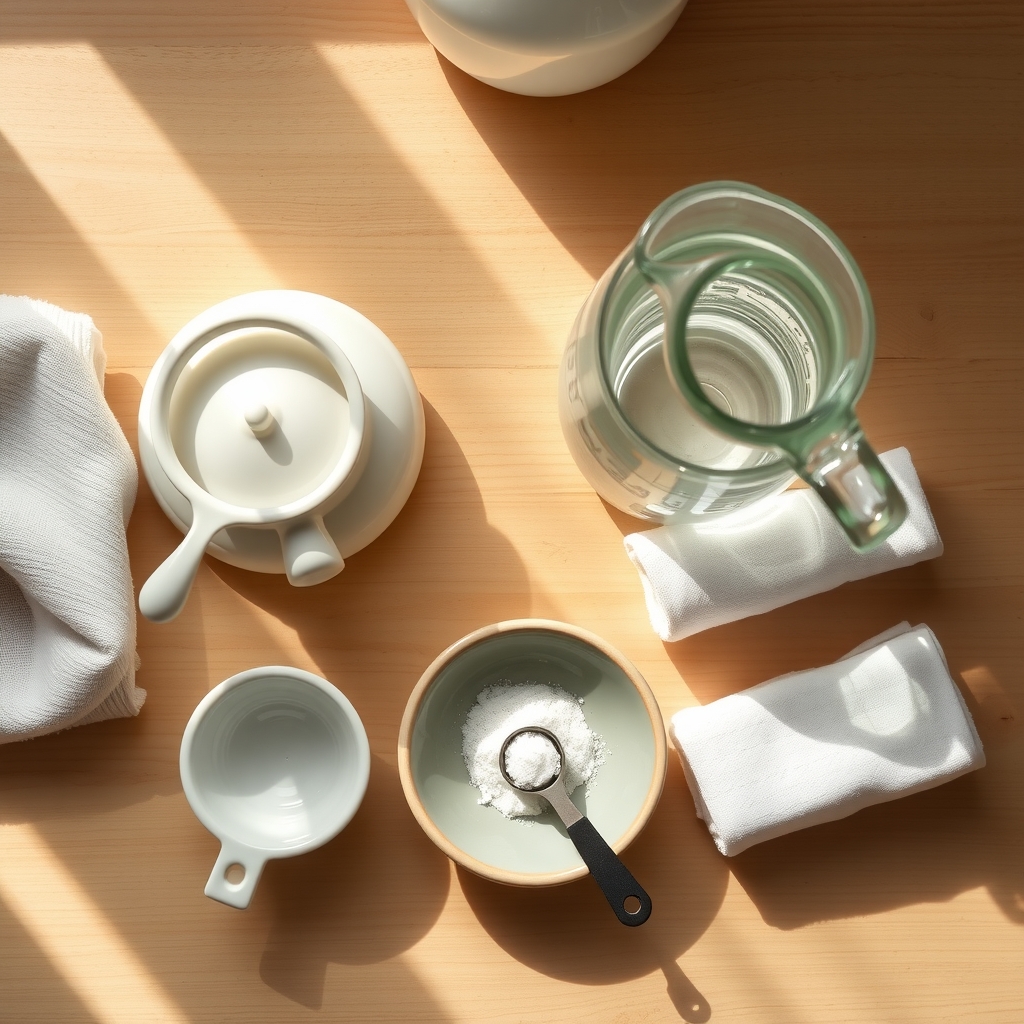
When a cold or sinus infection leaves your nose packed and sore, rinsing it with salt water is one of the simplest things you can do at home. Health services such as the NHS include it in their self-care advice for sinusitis.
It is safe for most adults when done properly. Getting it right comes down to three things: the right water, the right amount of salt, and a clean device. This guide walks you through each one.
Why the water matters most
Tap water that is safe to drink is not automatically safe to pour into your nose. Cleveland Clinic warns that untreated tap water used for nasal rinsing carries a small risk of an amoeba called Naegleria, which can cause a rare but life-threatening brain infection. The CDC gives clear advice on which water to use instead.
So only use one of these: water labeled distilled or sterile, or tap water that you have boiled and cooled. The CDC advises bringing water to a rolling boil for 1 minute, or about 3 minutes if you live above roughly 2,000 meters (6,500 feet). Cleveland Clinic suggests boiling for five minutes, so a five-minute boil covers both.
If your tap water looks cloudy, the CDC suggests letting it settle or filtering it through a clean cloth or coffee filter before boiling. Store any spare boiled water in a clean, covered container and, as Cleveland Clinic advises, use it within 24 hours.
Homemade Salt Water Nasal Rinse
You need
- distilled or sterile water, or tap water boiled and cooled to lukewarm250 ml (1 cup)
- non-iodized salt, such as pure sea salt or canning salt with no additives1/4 teaspoon
- baking soda (bicarbonate of soda), optional, to make it gentler1 small pinch
Method
- Wash your hands and use a clean neti pot or rinse bottle.
- Pour in the lukewarm water, add the salt and baking soda, and stir or shake until fully dissolved. Test a drop on your wrist: it should feel barely warm, not hot.
- Lean forward over the sink and turn your head to one side, so one nostril is higher than the other. Breathe through your mouth.
- Gently place the spout in the upper nostril and let about half the solution flow in and out of the lower nostril. Try not to let it run down the back of your throat.
- Blow your nose gently, then turn your head the other way and repeat on the other side.
- Wash and dry the device, and throw away any leftover solution.
Tips
- If it stings, use a little less salt and make sure the water is lukewarm rather than hot.
- Once or twice a day is plenty while you have symptoms. The NHS suggests up to 3 times a day, with a fresh solution each time.
- No device? The NHS describes sniffing the solution from a cupped palm, one nostril at a time, over a sink.
What the evidence says
A Cochrane review looked at five small trials of salt water rinses for colds and similar infections in children and adults. Most results showed no clear difference compared with no rinsing. One larger trial in children aged 6 to 10 found slightly less runny and blocked noses, and less use of decongestants, but the improvement was small.
The reviewers concluded that rinsing possibly helps relieve symptoms, but because the trials were small and at high risk of bias, confidence in that is low. Side effects were minor, mostly some stinging or irritation, more likely with stronger salt or a forceful flow.
In other words, a rinse may make you feel a bit clearer and is unlikely to harm you if you use safe water. It will not cure a cold, which usually clears up on its own.
Keeping your device clean
Wash your hands before you start. Cleveland Clinic advises washing a neti pot or squeeze bottle after every use, by hand unless the packaging says it is dishwasher safe, and letting it air dry on a clean towel.
Do not share your rinse device with anyone else, and replace it if it becomes cracked or hard to clean. Make up a fresh salt solution each time rather than keeping a bottle of it in the bathroom.
Questions people ask
Is bottled drinking water safe for a nasal rinse?
Only if it is labeled distilled or sterile. Ordinary bottled water is not the same. If in doubt, boil it and let it cool to lukewarm.
Why not table salt?
Cleveland Clinic advises using non-iodized salt rather than ordinary table salt. If stinging is a problem, try a little less salt and make sure the water is only lukewarm.
Can I rinse every day to prevent colds?
Some people rinse regularly for allergies or sinus problems, and Cleveland Clinic says this is considered safe if you use safe water and keep the device clean. There is no good evidence that it prevents colds.
Sources
- How to Safely Rinse Sinuses — CDC
- Nasal Irrigation — Cleveland Clinic
- Sinusitis (sinus infection) — NHS
- Saline nasal irrigation for acute upper respiratory tract infections — Cochrane Database of Systematic Reviews (via PubMed Central)
This article is for general information only and is not medical advice. Herbs can interact with medicines and health conditions. Talk to a doctor or pharmacist before trying a herbal remedy, especially if you are pregnant, breastfeeding, giving it to a child, or taking any medication.