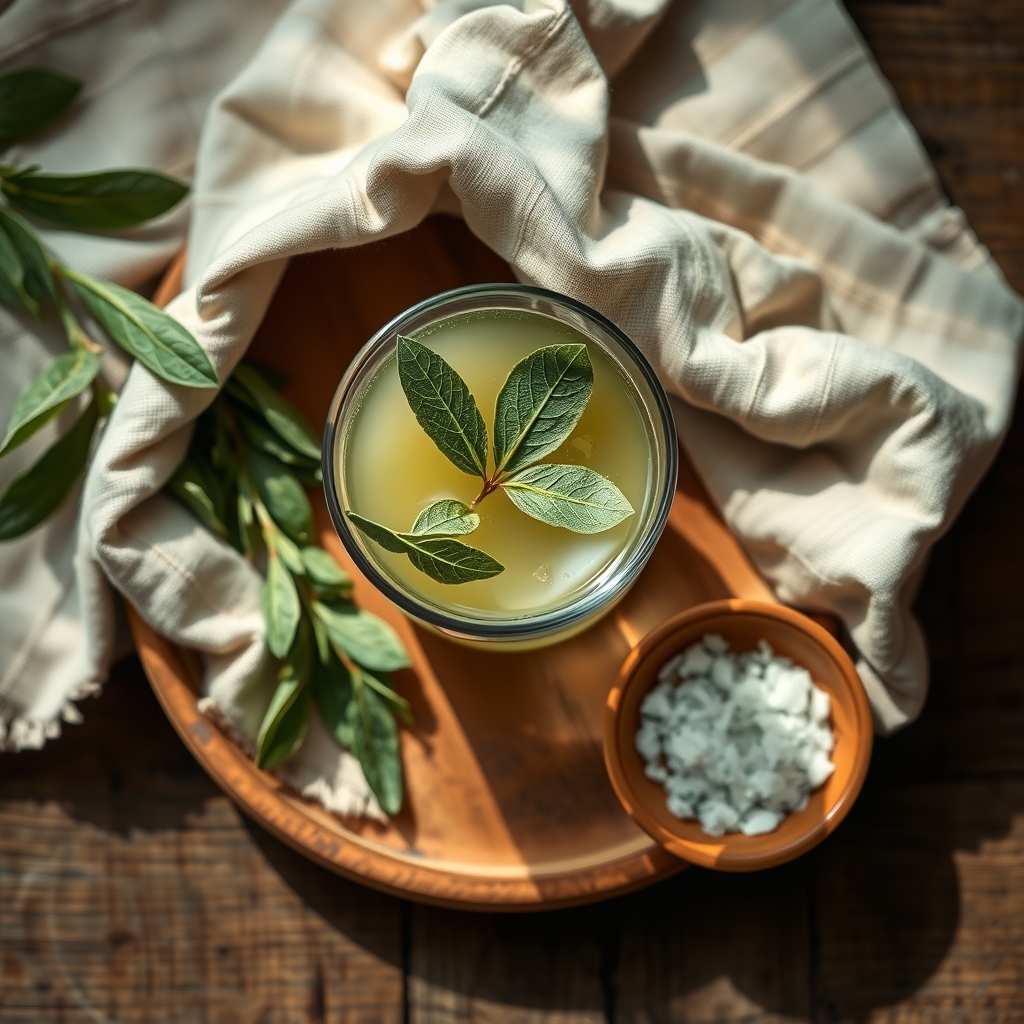
Mountain Tea with Honey and Cinnamon for Winter Colds
In Greek homes, a pot of mountain tea simmering with a cinnamon stick is the classic winter cup. Here is how to make it, and what each of its three ingredients can and cannot do for a cold.

Greek mountain tea, made from the dried flowering stems of Sideritis plants, has a mild, earthy, slightly lemony taste. Simmered with a stick of cinnamon and sweetened with honey, it becomes a warming drink that many families make the moment someone starts to sniffle.
This article focuses on that winter cup: how to brew it, how much honey and cinnamon make sense, and what the research says about each ingredient. For a full background on the herb itself, see our Greek mountain tea guide.
Why this combination
Each ingredient brings something different. Mountain tea is the herbal base and is recognized in Europe as a traditional remedy for cough with a cold. Honey adds sweetness and is the best-studied home option for cough. Cinnamon mostly adds warmth and aroma, which makes the drink pleasant to sip several times a day.
A hot drink also helps you take in fluids, and the NHS advises plenty of rest and fluids when you have a cough or cold.
Mountain Tea with Honey and Cinnamon
You need
- water600 ml (2 1/2 cups)
- dried Greek mountain tea2 to 3 g (2 to 3 small sprigs, or about 2 teaspoons crumbled)
- cinnamon stick, Ceylon if you drink this often1 small
- honey, 1 per cup2 teaspoons
- lemon, optional1 thin slice
Method
- Put the water and cinnamon stick in a small pot and bring to a boil.
- Add the mountain tea, lower the heat and simmer gently for 3 to 5 minutes.
- Turn off the heat, cover the pot and let it stand for another 5 minutes.
- Strain into two cups and let it cool for a few minutes until comfortable to sip.
- Stir 1 teaspoon of honey into each cup, and add the lemon slice if you like.
Tips
- Add honey to the cup once the tea has cooled slightly, rather than boiling it in the pot.
- Drink it warm through the day, alongside plenty of plain water.
- Leftover tea keeps covered in the fridge for a day. Reheat gently and add honey just before drinking.
What the evidence says
The European Medicines Agency concluded that mountain tea (which it calls ironwort) can be used to relieve cough associated with a cold. That conclusion is based on long-standing traditional use, not on strong clinical trials, and it applies to adults only.
Honey has a little more research. Mayo Clinic notes that several studies in people with upper respiratory infections found honey reduced coughing and improved sleep, roughly as well as a common over-the-counter cough medicine ingredient, though better studies are needed.
Cinnamon has no clear evidence for colds. The US National Center for Complementary and Integrative Health says research does not clearly support cinnamon for any health condition. Enjoy it for flavor. Overall, this cup may soothe you while a cold runs its course, and most coughs clear up on their own within three to four weeks.
Choosing your cinnamon
There are two main kinds. Cassia, the more common and cheaper type, contains coumarin, a substance that has been linked to liver problems. Ceylon cinnamon contains only traces. NCCIH says typical food amounts of cassia usually contain too little coumarin to cause problems, but long-term use may be a concern for people with liver disease.
One stick in a pot of tea shared over a day is a food amount. If you drink this cup daily through the winter, or have liver problems, Ceylon cinnamon is the gentler choice.
Questions people ask
Can I drink this every day in winter?
As a warm drink, a cup or two a day is a normal food habit for most adults. Use Ceylon cinnamon if you drink it daily, and see a doctor if a cough lasts more than a week.
Can I boil the honey with the tea?
It is better to stir it in at the end. Adding honey to each cup lets you control the amount and keeps its flavor fresher.
Does cinnamon fight colds?
There is no good evidence that it does. NCCIH says research does not clearly support cinnamon for any health condition, so think of it as flavor and comfort.
Sources
- Sideritis herba - herbal medicinal product — European Medicines Agency
- Cinnamon — NCCIH
- Honey: An effective cough remedy? — Mayo Clinic
- Cough — NHS
This article is for general information only and is not medical advice. Herbs can interact with medicines and health conditions. Talk to a doctor or pharmacist before trying a herbal remedy, especially if you are pregnant, breastfeeding, giving it to a child, or taking any medication.