Humidifier for Cough: When It Helps and When It Harms
Moist air can make a dry, scratchy night feel easier, but a humidifier is not a cure, and a dirty one can make breathing worse. Here is how to use one well.
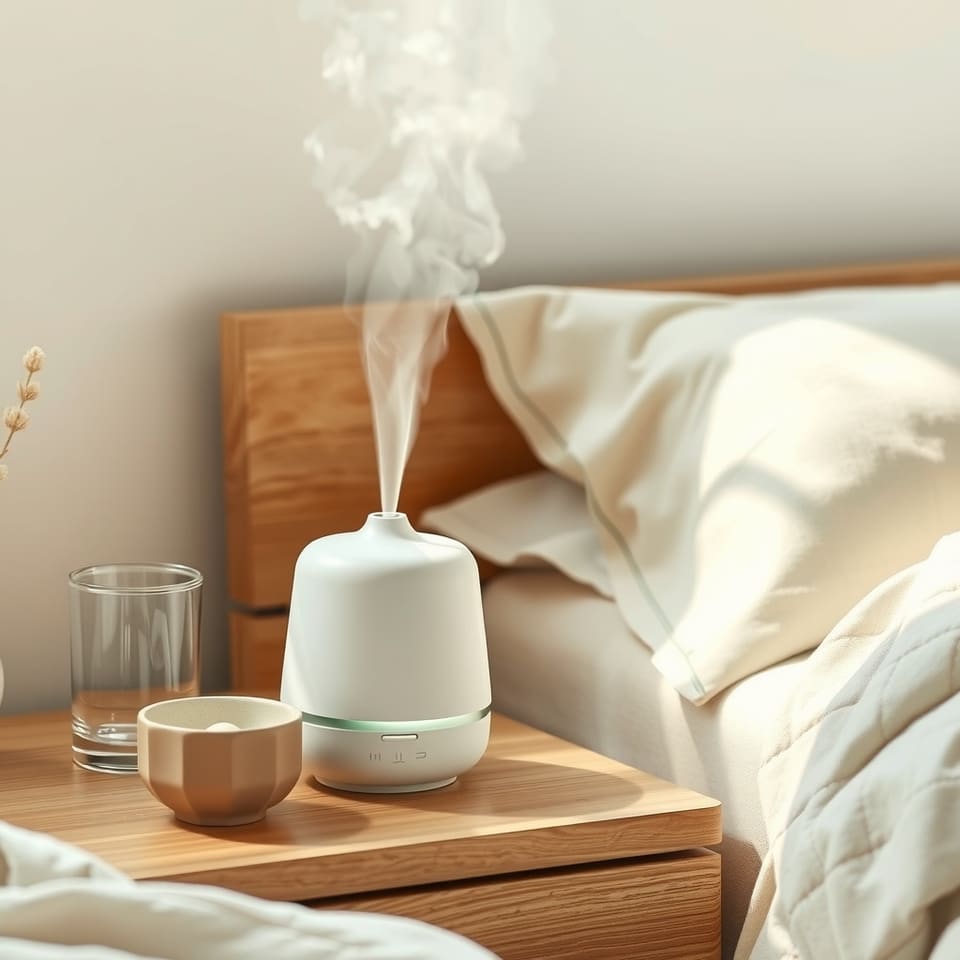
In winter, central heating, wood stoves and air conditioning all dry the air indoors. If you have a cold, that dry air can leave your nose blocked, your lips cracked and your throat scratchy, and the cough often feels worse at night.
A humidifier adds water vapor to the room, and many people find it makes a cold more bearable. It is a simple tool, but it is not risk free. Used wrongly, it can grow mold and bacteria and blow them straight into the air you breathe. This guide covers what a humidifier can and cannot do, and how to use one safely.
What a humidifier can do
Mayo Clinic explains that dry indoor air can irritate the sinuses and cause nosebleeds and cracked lips, and that a cool-mist humidifier can ease a stuffy nose by adding moisture to the air. The CDC lists using a clean humidifier or cool-mist vaporizer among the ways to feel better with a cold, alongside rest and plenty of fluids.
So a humidifier is a comfort measure. It may make a dry nose and throat feel less irritated, which can make it easier to rest. It does not kill the virus or shorten the cold.
Clean Humidifier Routine
You need
- distilled or demineralized waterenough to fill the tank
- hygrometer (humidity meter)1
- cleaning solution, or 3% hydrogen peroxide if no instructions are givenas the manufacturer advises
- soft brush or cloth1
Method
- Every day: unplug the unit, empty the tank, let it dry, and refill with fresh distilled water. Do not top up old water.
- Every third day: unplug and clean the tank and all wet parts as the manual says. If there are no instructions, the EPA suggests 3% hydrogen peroxide. Rinse very well before refilling.
- Check the hygrometer and keep the room between 30 and 50 percent humidity.
- Place the humidifier on a flat, stable surface, out of reach of children and pets.
- Replace filters as the manufacturer recommends, and replace the unit if scale or buildup will not come off.
Tips
- Do not add anything to the water, including essential oils, unless the manual says the model is made for it. Mayo Clinic advises against additives.
- White dust on furniture means minerals from tap water are being sprayed into the air. Switch to distilled water.
- Empty and dry the unit completely before you put it away for the season.
What the evidence says
There is surprisingly little research on room humidifiers for coughs. The closest evidence comes from a Cochrane review of breathing heated, humidified air through a special device during a cold. The results were inconsistent, the evidence was rated low quality, and the authors concluded that the current evidence does not show any benefits or harms.
That review did not test ordinary room humidifiers, so it cannot tell us exactly how well they work. The fair conclusion is that a humidifier may make you more comfortable in dry air, but there is no good evidence that it treats a cough.
Choosing the type and the humidity level
Humidifiers come in several types. Ultrasonic and impeller models make a cool mist, evaporative models blow air through a wet wick, and steam vaporizers boil water. Mayo Clinic advises against steam vaporizers in homes with children, because the hot water can cause burns if it spills.
More is not better. Mayo Clinic recommends keeping indoor humidity between 30 and 50 percent, and the US EPA advises keeping it at or below 50 percent. Above that, condensation can let bacteria, dust mites and mold grow. A small hygrometer, a humidity meter, shows you where you are. If water collects on windows or walls, turn the humidifier down or off.
Questions people ask
Cool mist or warm mist for a cough?
There is no good evidence that one eases a cough better than the other. Cool-mist models avoid the burn risk of boiling water, which is why they are the safer choice around children.
Can I put eucalyptus or other oils in my humidifier?
Not unless the manufacturer says the model is designed for it. Mayo Clinic advises against adding anything to the water.
Should I run it all night?
You can, as long as the room stays between 30 and 50 percent humidity and the tank is emptied and refilled with fresh water every day.
Sources
- Humidifiers: Ease skin, breathing symptoms — Mayo Clinic
- Use and Care of Home Humidifiers — US Environmental Protection Agency
- Heated, humidified air for the common cold — Cochrane
- Manage Common Cold — CDC
This article is for general information only and is not medical advice. Herbs can interact with medicines and health conditions. Talk to a doctor or pharmacist before trying a herbal remedy, especially if you are pregnant, breastfeeding, giving it to a child, or taking any medication.