Other languages (Google Translate)
Home › Search
14 results for “bloating”
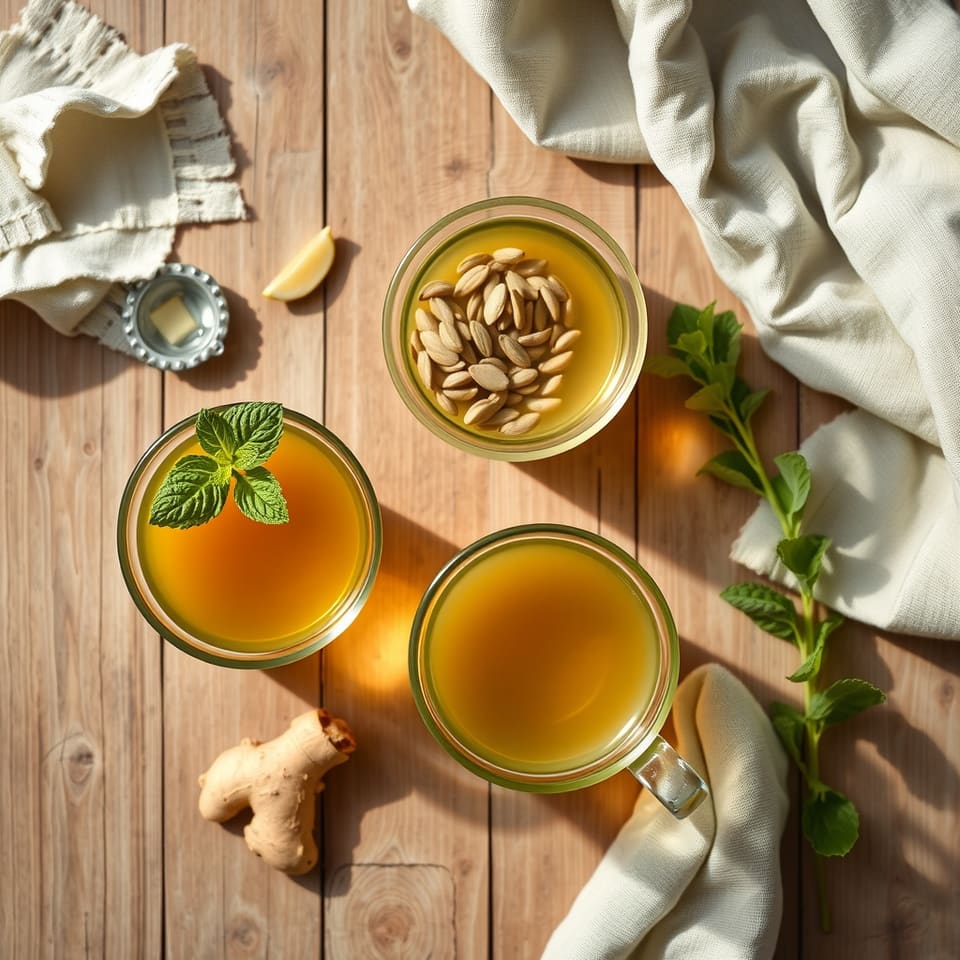
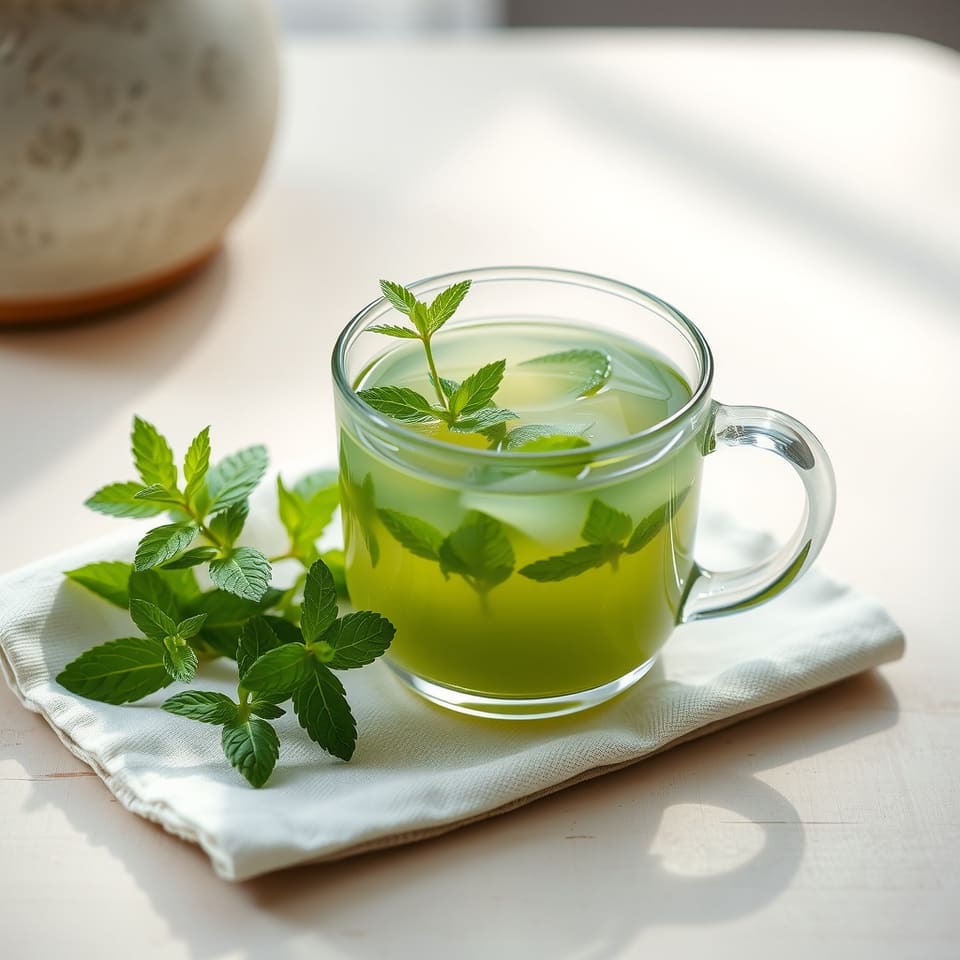
Three teas turn up again and again for a tight, gassy tummy. Here is how they differ, which one may suit you best, and who should pass on each.
A sweet, aniseed-scented tea with a long history as an after-meal comfort. Here is how to make it and use it sensibly.
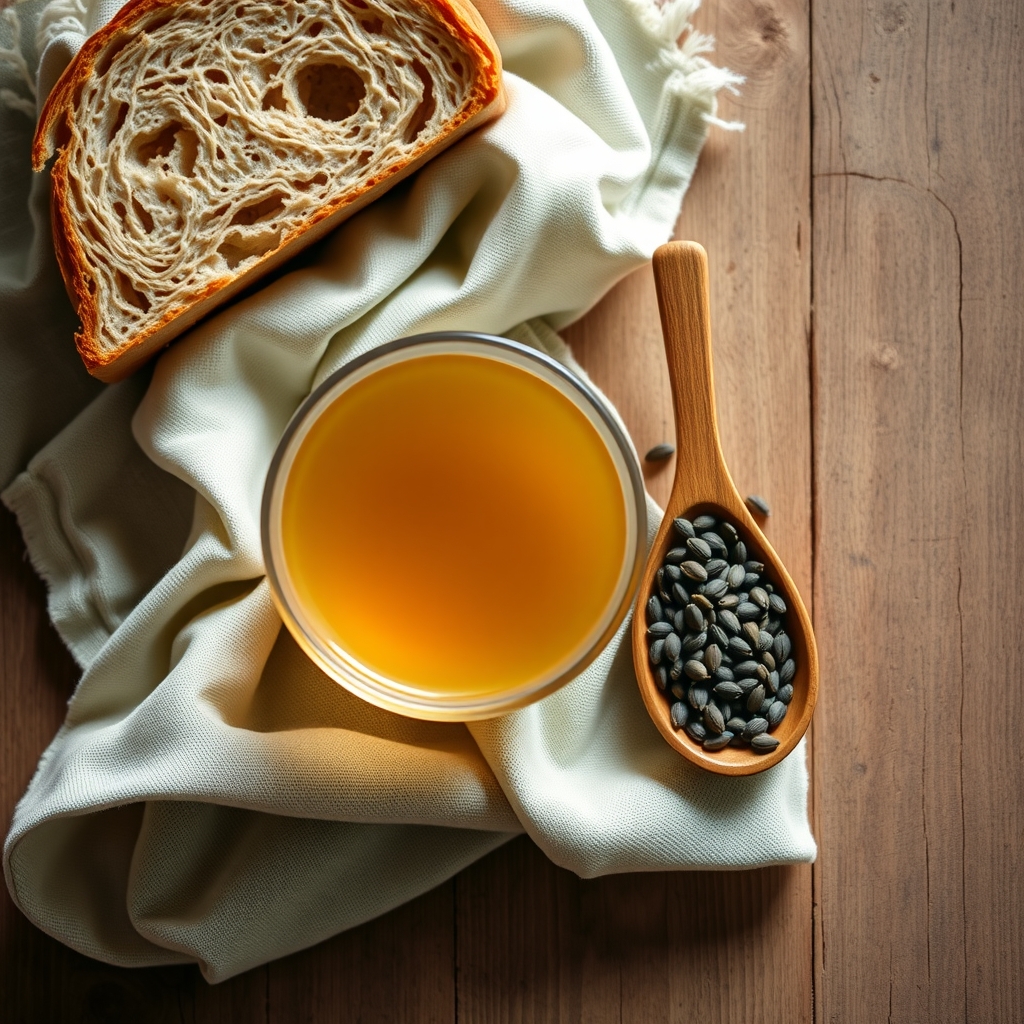
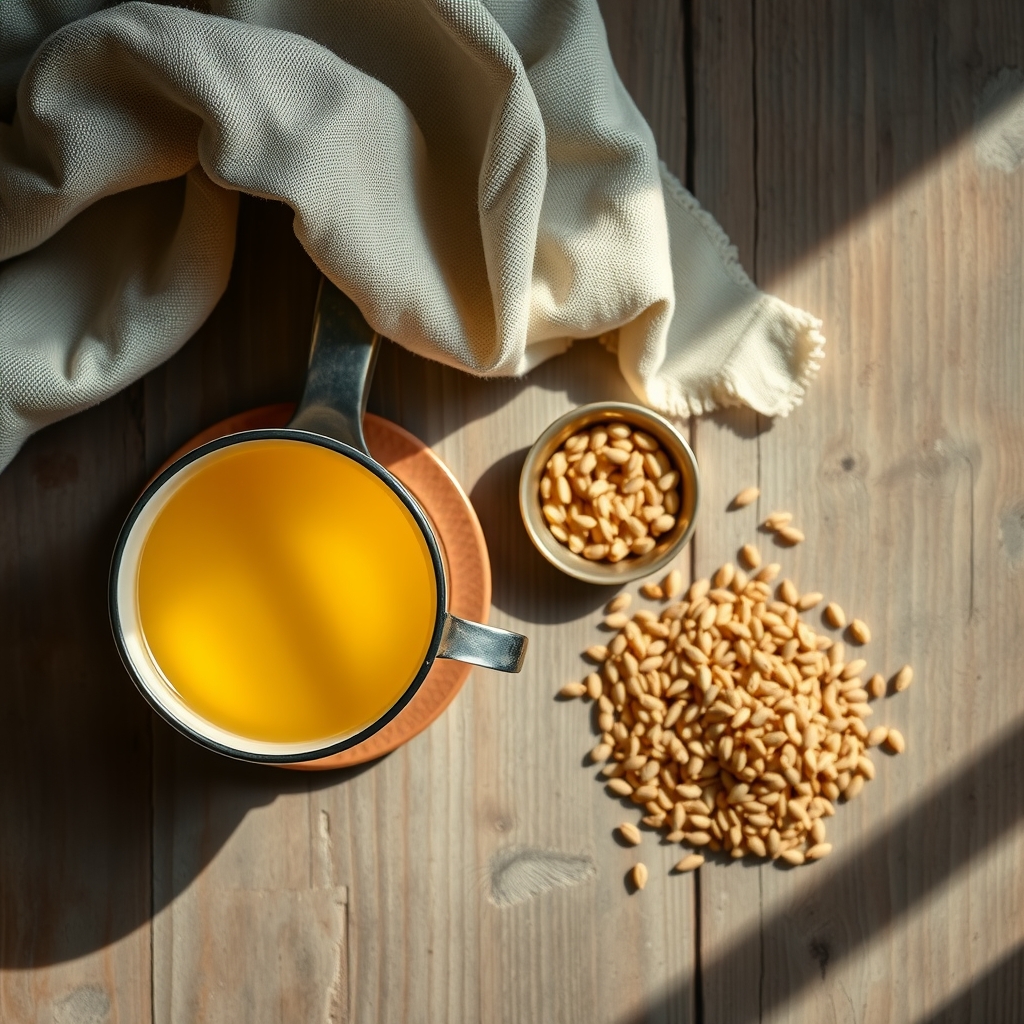
The seed you know from rye bread also makes a warm, earthy tea. Here is how to brew it for occasional wind and bloating, and who should skip it.
If you get heartburn, the tea in your cup matters. Some popular teas are well-known triggers, while a mild herbal cup may sit more comfortably. Here is what to try, what to skip and what the evidence really says.
A warm cup can be a calm part of life with irritable bowel syndrome. But the research is about peppermint oil capsules, not your teapot, and what you leave out of your cup may matter as much as what you put in.
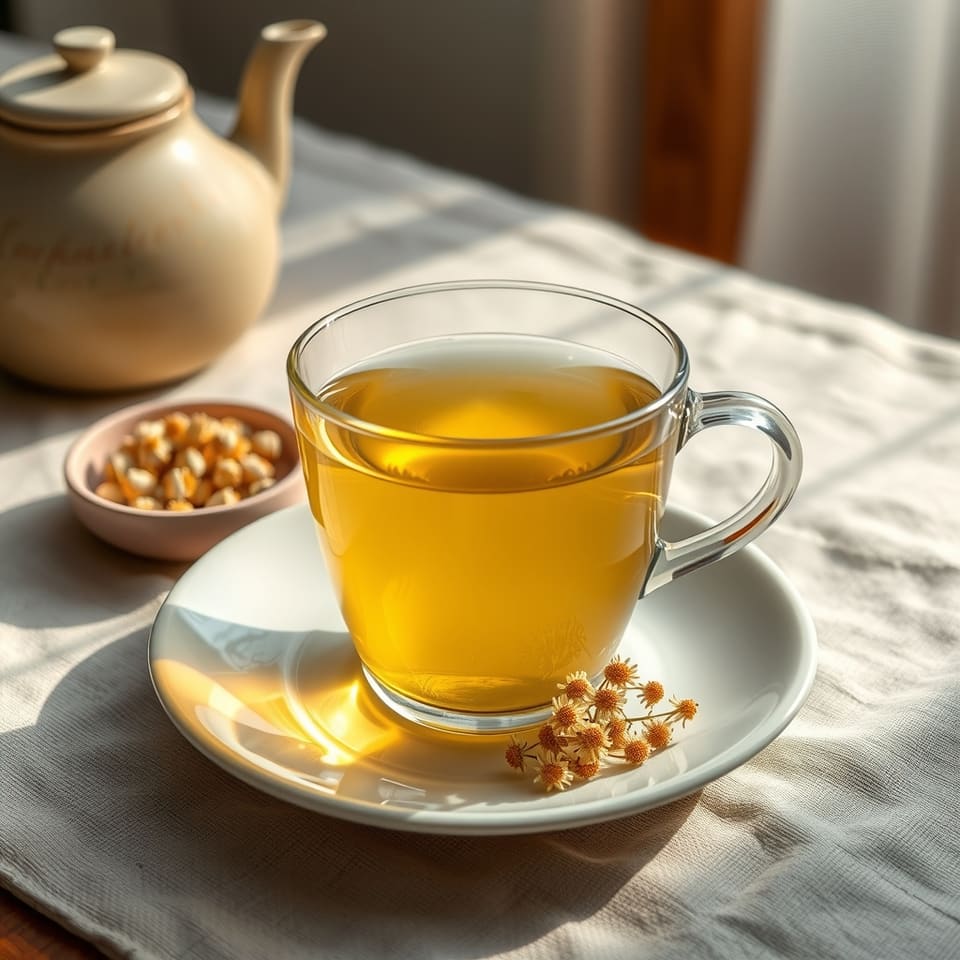
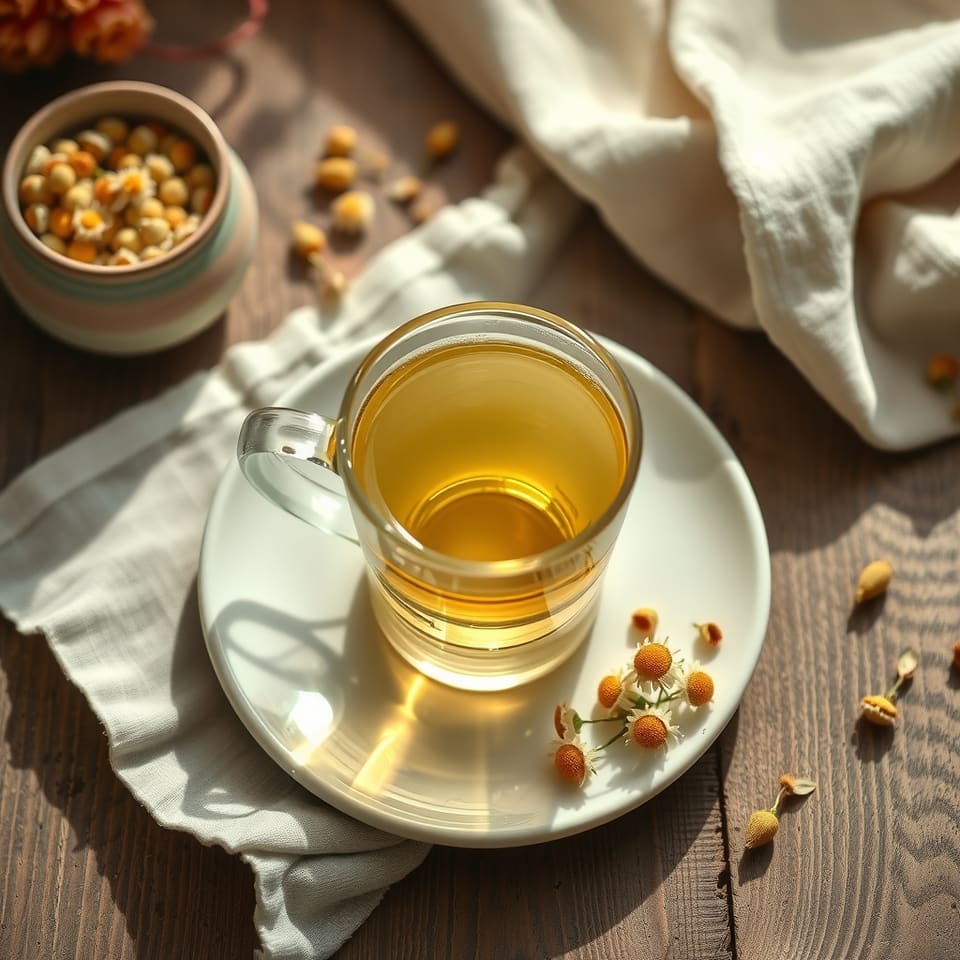
From Europe to the Middle East and the Americas, a cup of chamomile is a familiar answer to a heavy, bloated stomach. Here is what it is traditionally used for, where the evidence stops, and the signs that need more than a cup of tea.
A fragrant, caffeine-free cup that many cultures enjoy after a meal. Here is how to make it and what science can and cannot say about it.
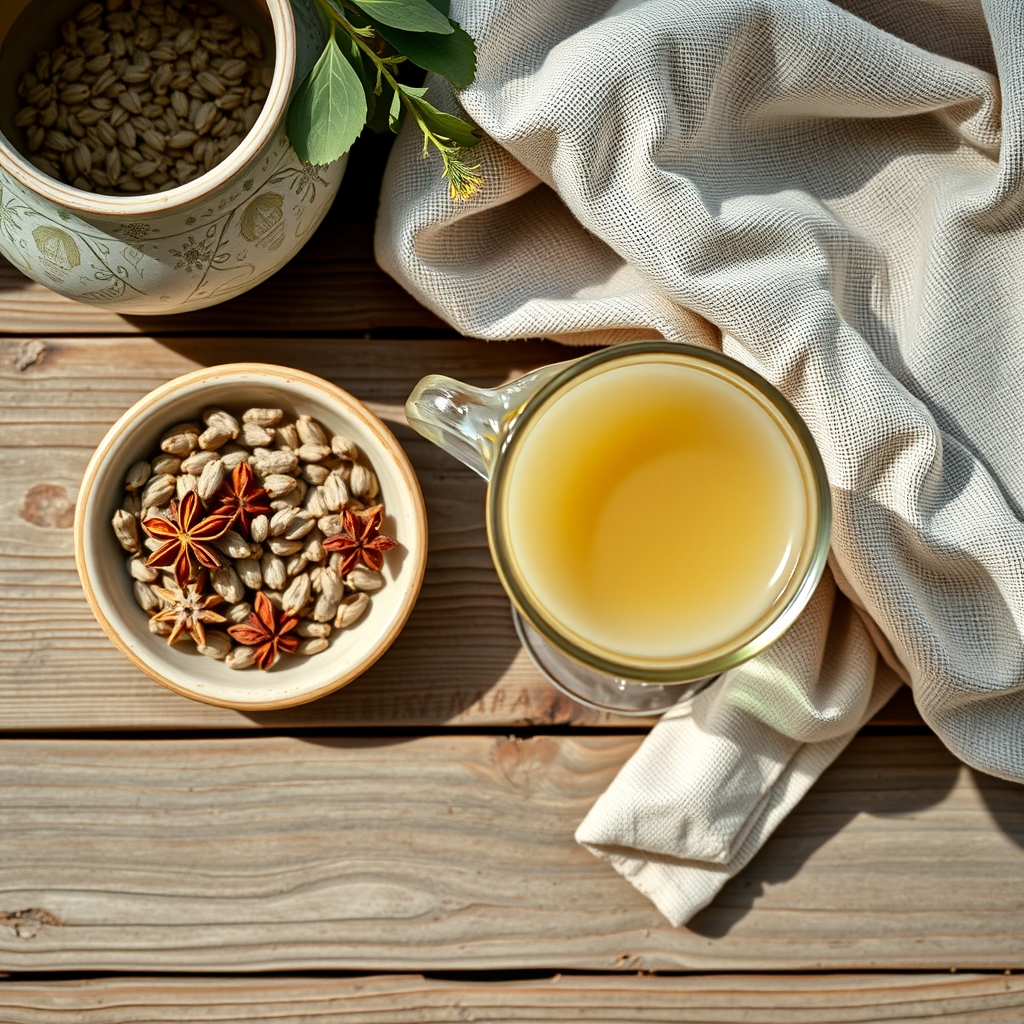
Small seeds with a sweet licorice scent, brewed into a warm after-dinner cup. Here is how to make aniseed tea and use it sensibly.
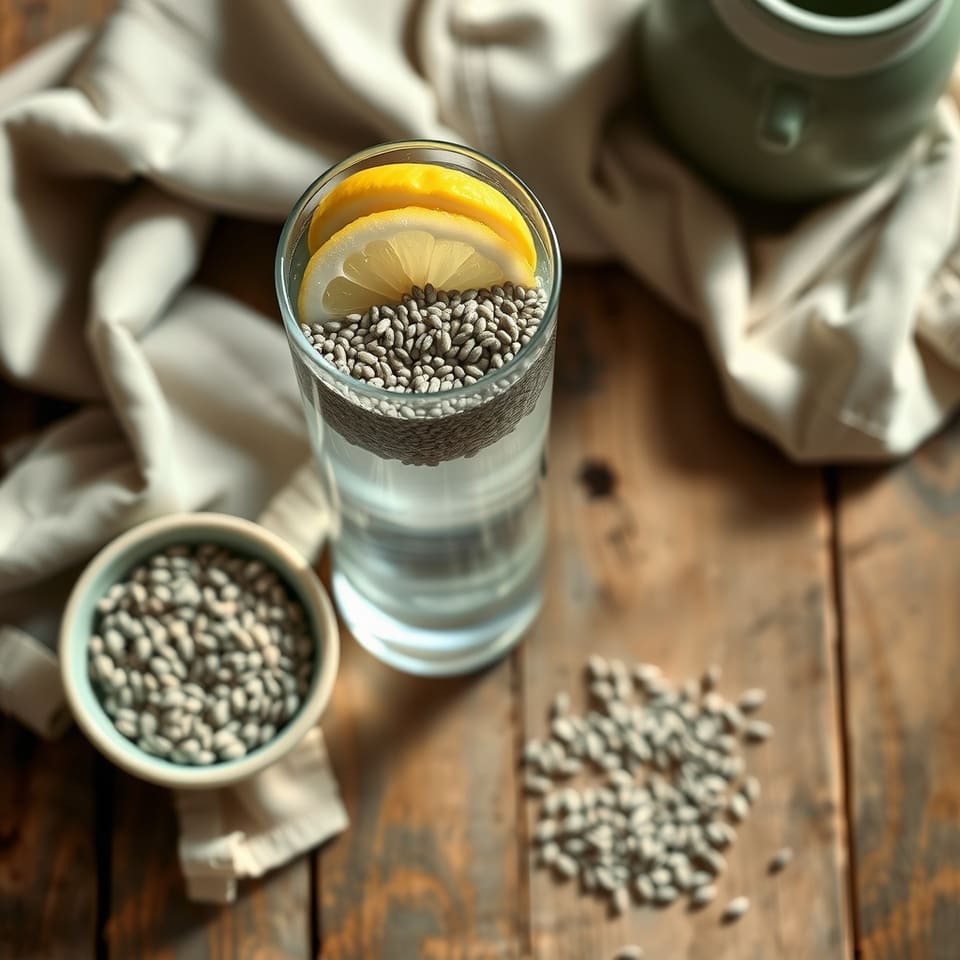
Chia seeds turn water into a soft gel that many people find filling. The key safety rule is simple: always soak them first. Here is how, plus an honest look at what chia can and cannot do.
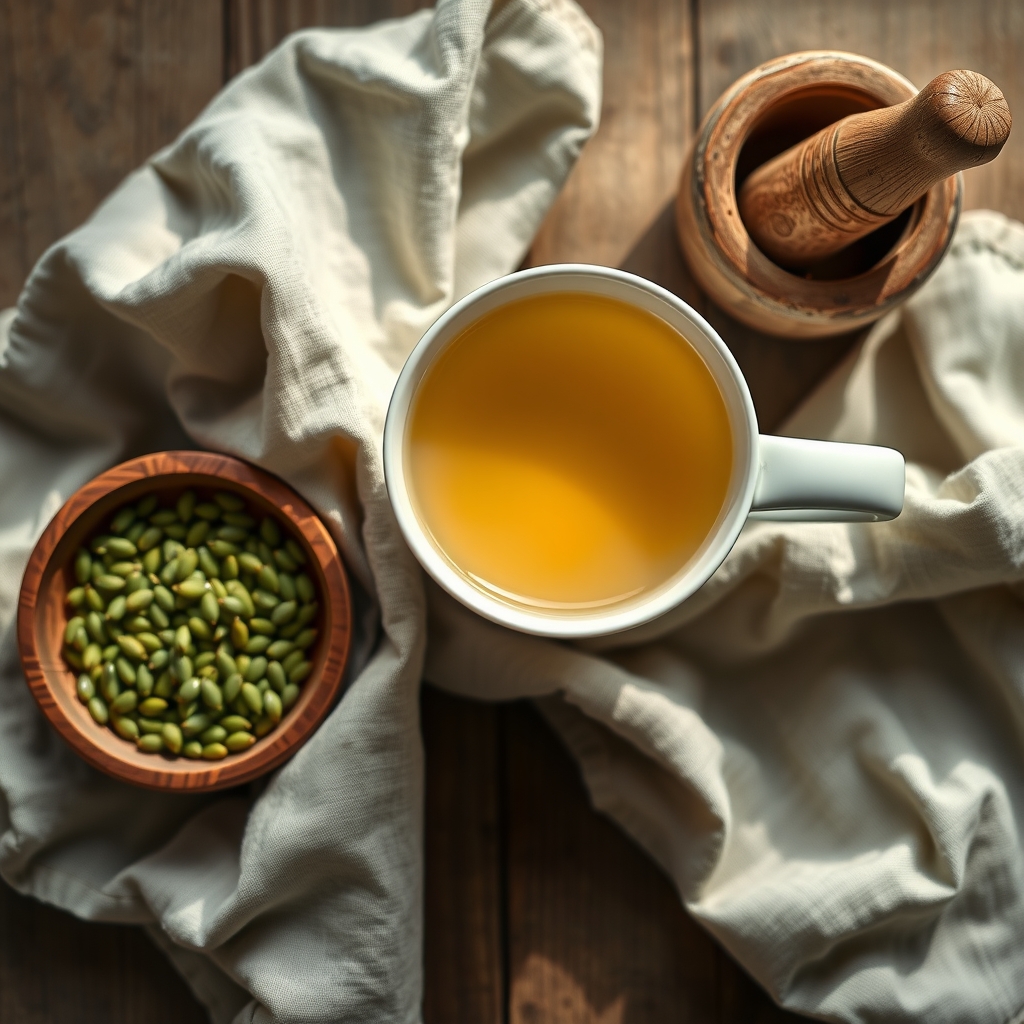
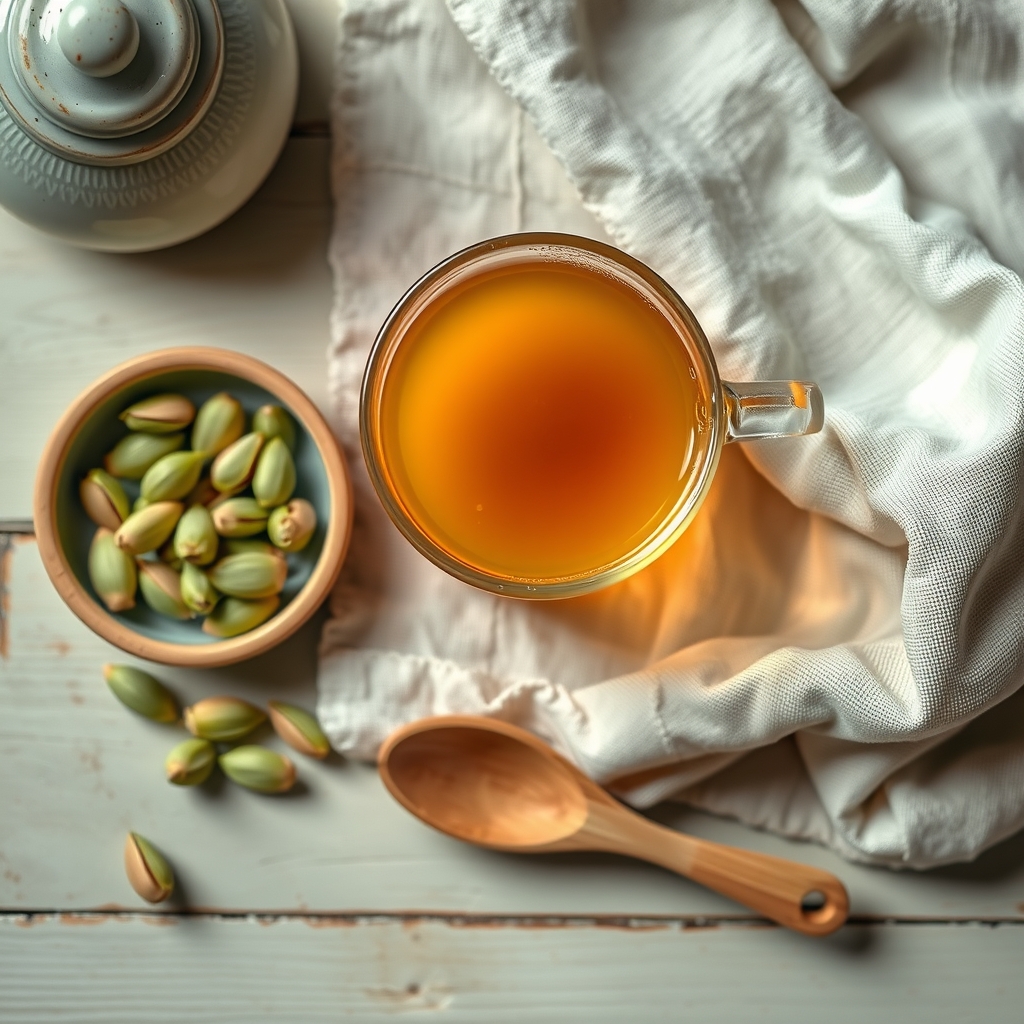
A gentle, citrusy tea made from a spice you probably already own. Here is how to brew it, and an honest look at what is known.
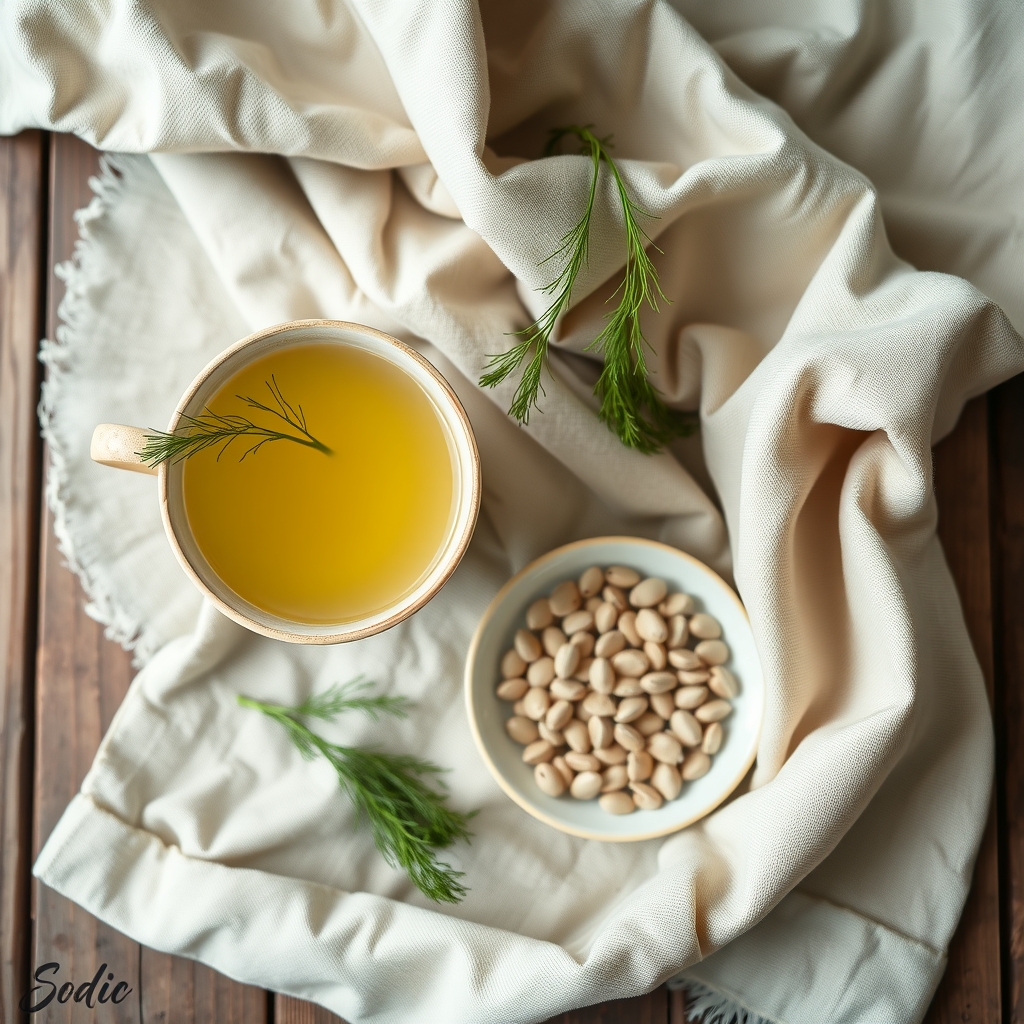
Dill water has a long folk history, especially for windy babies. Here is what the evidence actually shows, and how adults can enjoy a simple cup of dill seed tea.
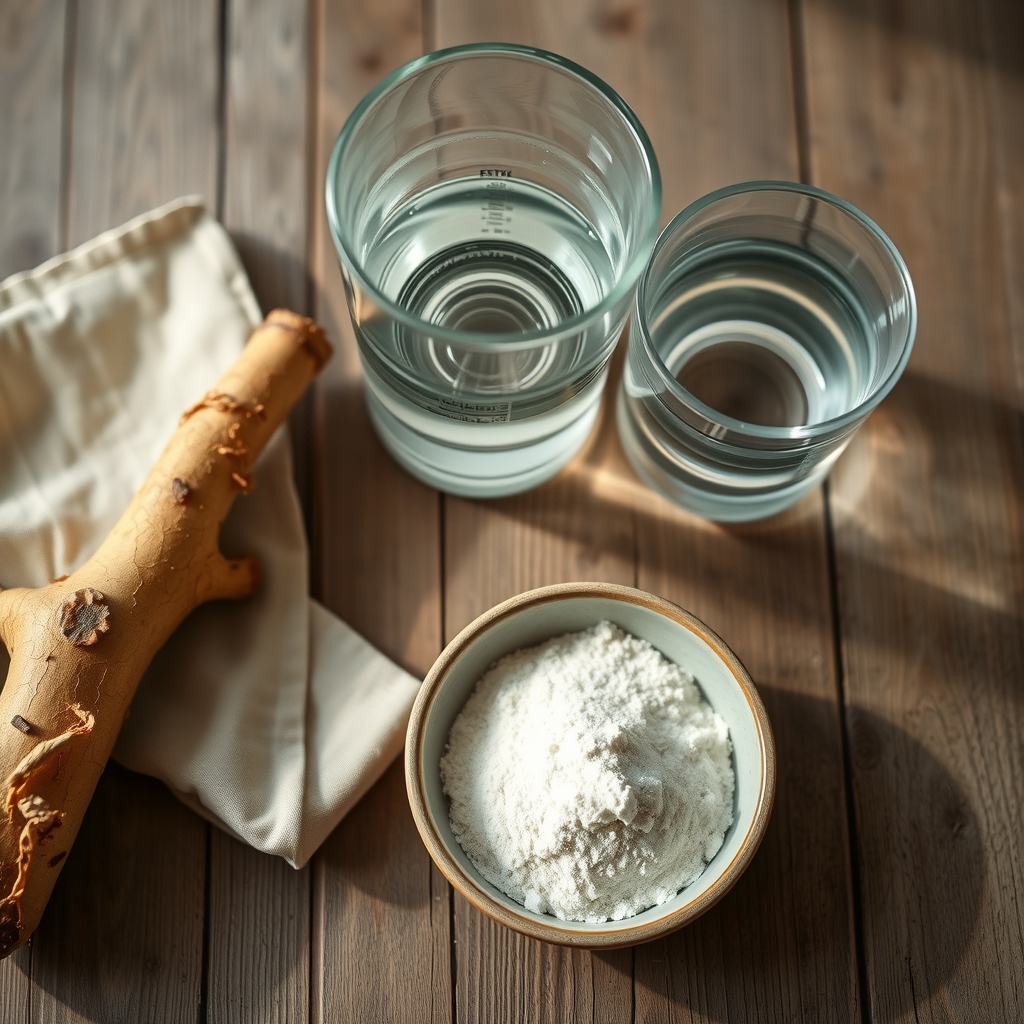
Glucomannan is a fiber from the konjac root that swells in water and is often sold as a way to feel full. Here is what the research actually shows, and the safety rule that matters most.
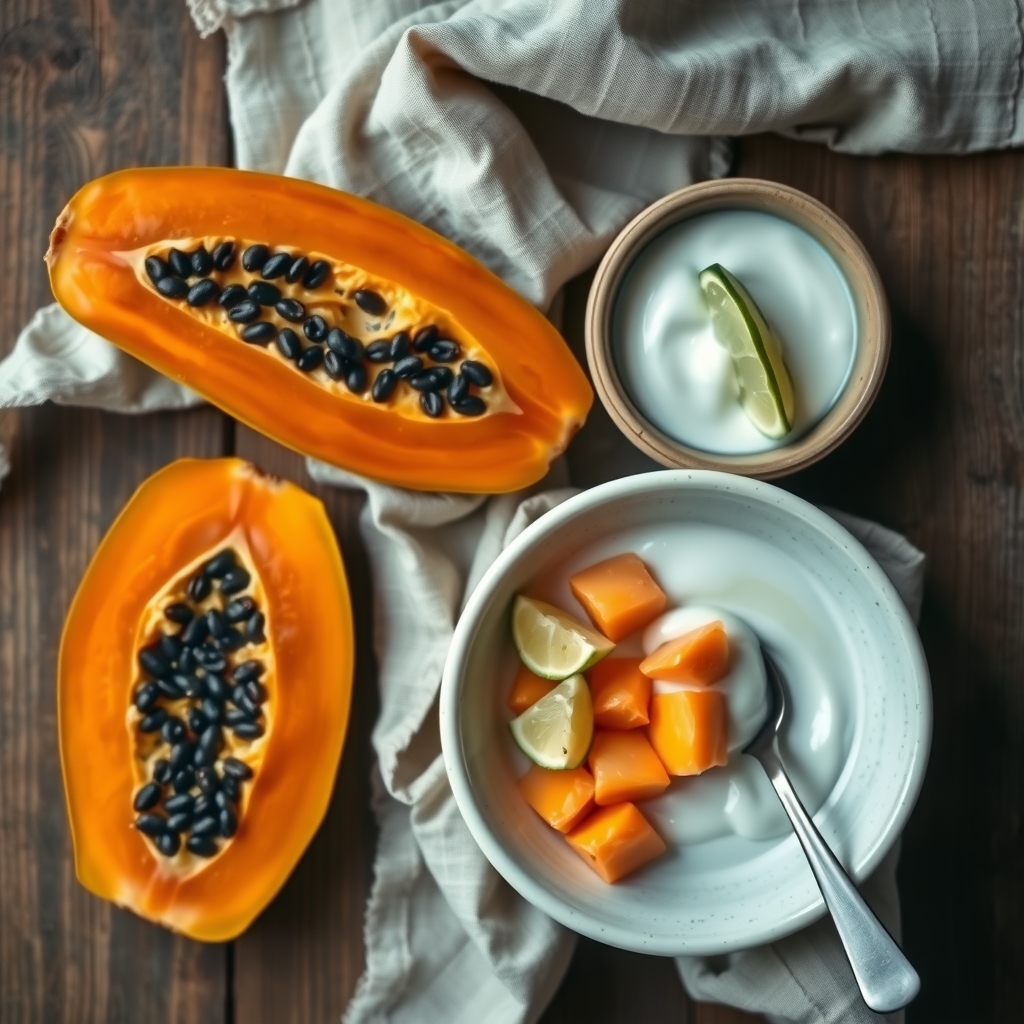
Ripe papaya is soft, sweet and full of fiber and water, which makes it a friendly fruit for your gut. But it is a food, not a treatment, and the research behind the bigger claims is small.
Psyllium husk is a plant fiber that swells into a soft gel in water. It can help keep you regular and may add to a feeling of fullness, but it must be taken with plenty of liquid. Here is how to do it safely.
Put your shop, brand or service in front of people reading about herbs, natural skin care and home remedies, in English and Greek.