Other languages (Google Translate)
Home › Search
17 results for “heartburn”
If you get heartburn, the tea in your cup matters. Some popular teas are well-known triggers, while a mild herbal cup may sit more comfortably. Here is what to try, what to skip and what the evidence really says.
A cup of peppermint tea is a classic after-dinner ritual. It is refreshing and caffeine-free, but if you get heartburn it may not be the right choice for you.
Three teas turn up again and again for a tight, gassy tummy. Here is how they differ, which one may suit you best, and who should pass on each.
A warm cup can be a calm part of life with irritable bowel syndrome. But the research is about peppermint oil capsules, not your teapot, and what you leave out of your cup may matter as much as what you put in.
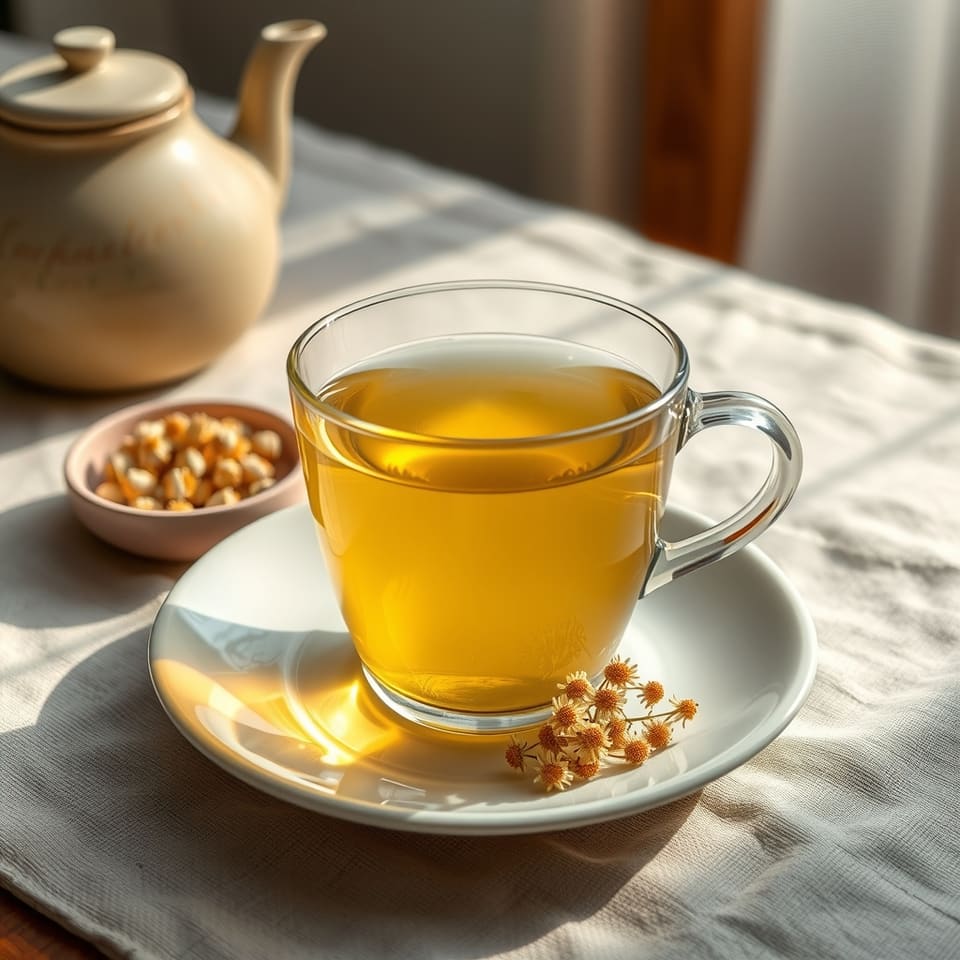
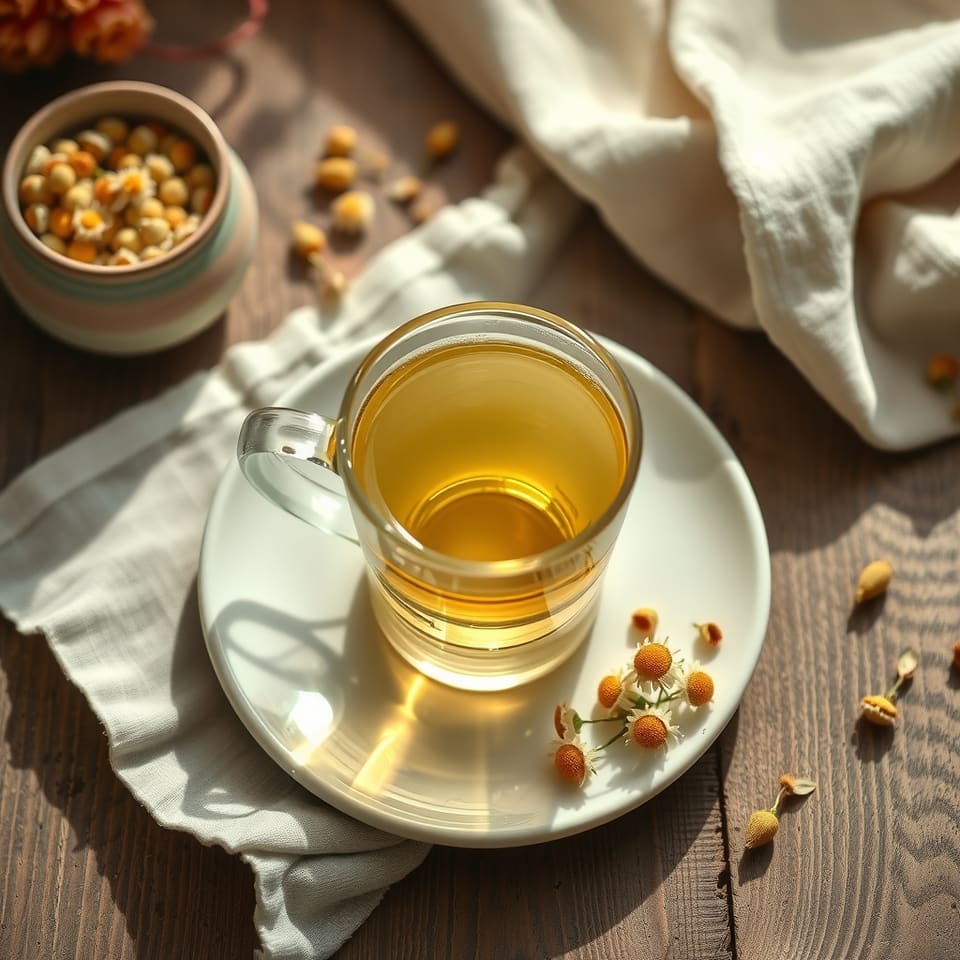
From Europe to the Middle East and the Americas, a cup of chamomile is a familiar answer to a heavy, bloated stomach. Here is what it is traditionally used for, where the evidence stops, and the signs that need more than a cup of tea.
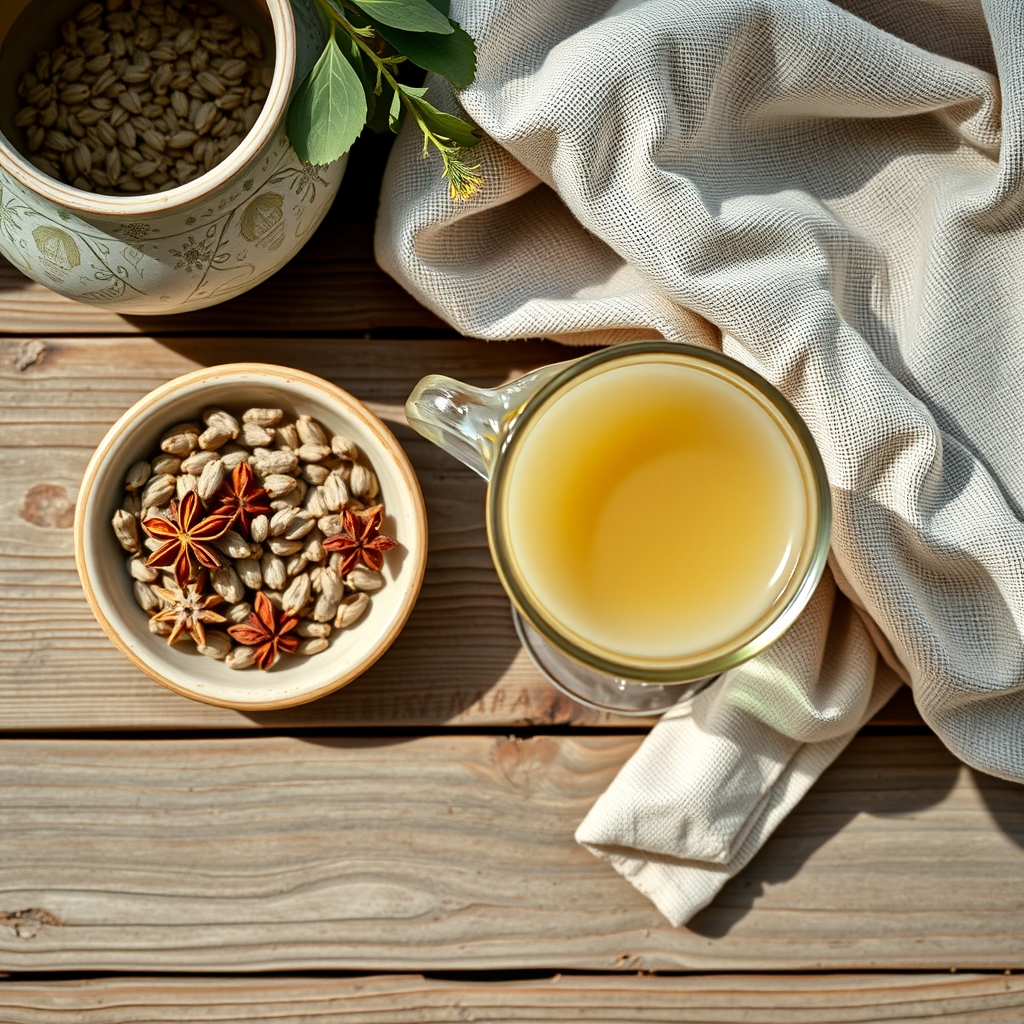
Small seeds with a sweet licorice scent, brewed into a warm after-dinner cup. Here is how to make aniseed tea and use it sensibly.
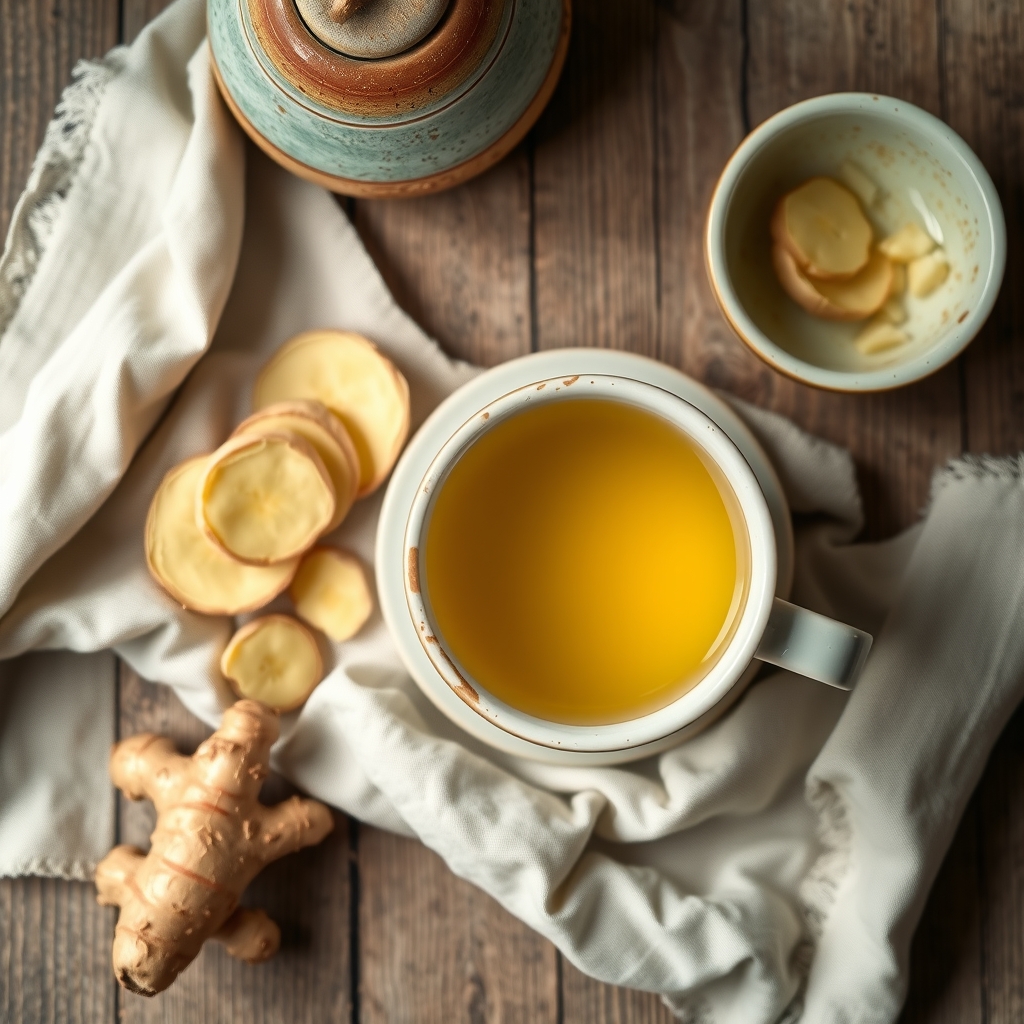
One small study found that a ginger drink with breakfast lowered hunger ratings in a group of men. Here is what that does and does not mean, with a simple fresh ginger tea and the cautions that matter.
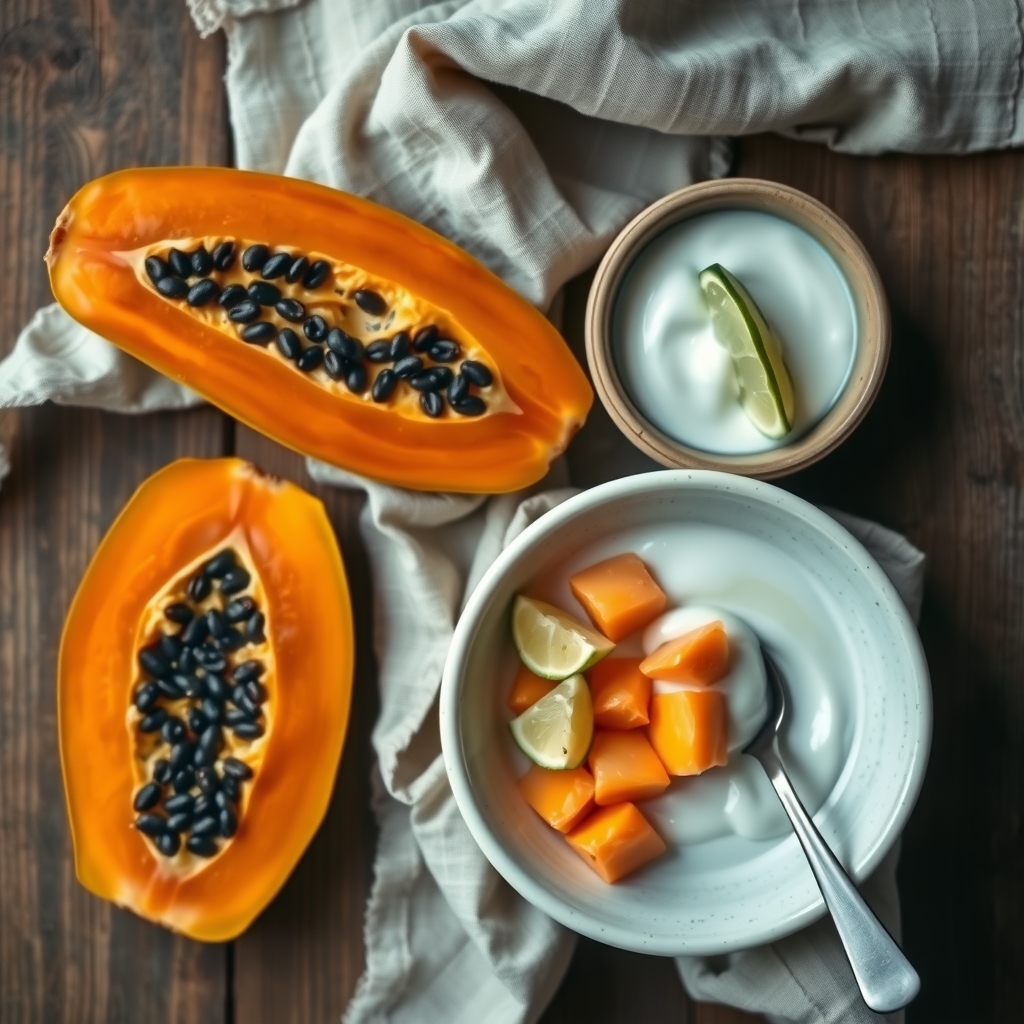
Ripe papaya is soft, sweet and full of fiber and water, which makes it a friendly fruit for your gut. But it is a food, not a treatment, and the research behind the bigger claims is small.
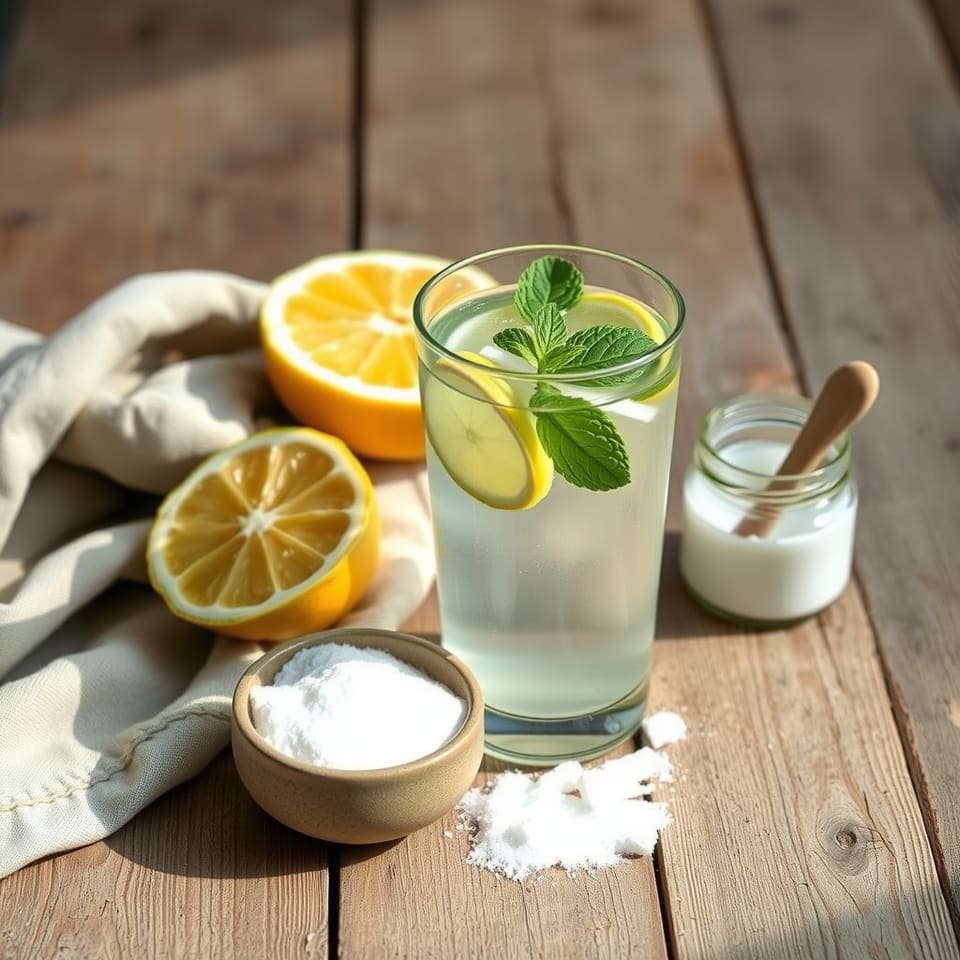
A fizzy glass of baking soda and lemon is shared online as a way to alkalize your body, ease heartburn and much more. The chemistry is interesting, but the health claims do not hold up, and too much baking soda can be harmful.
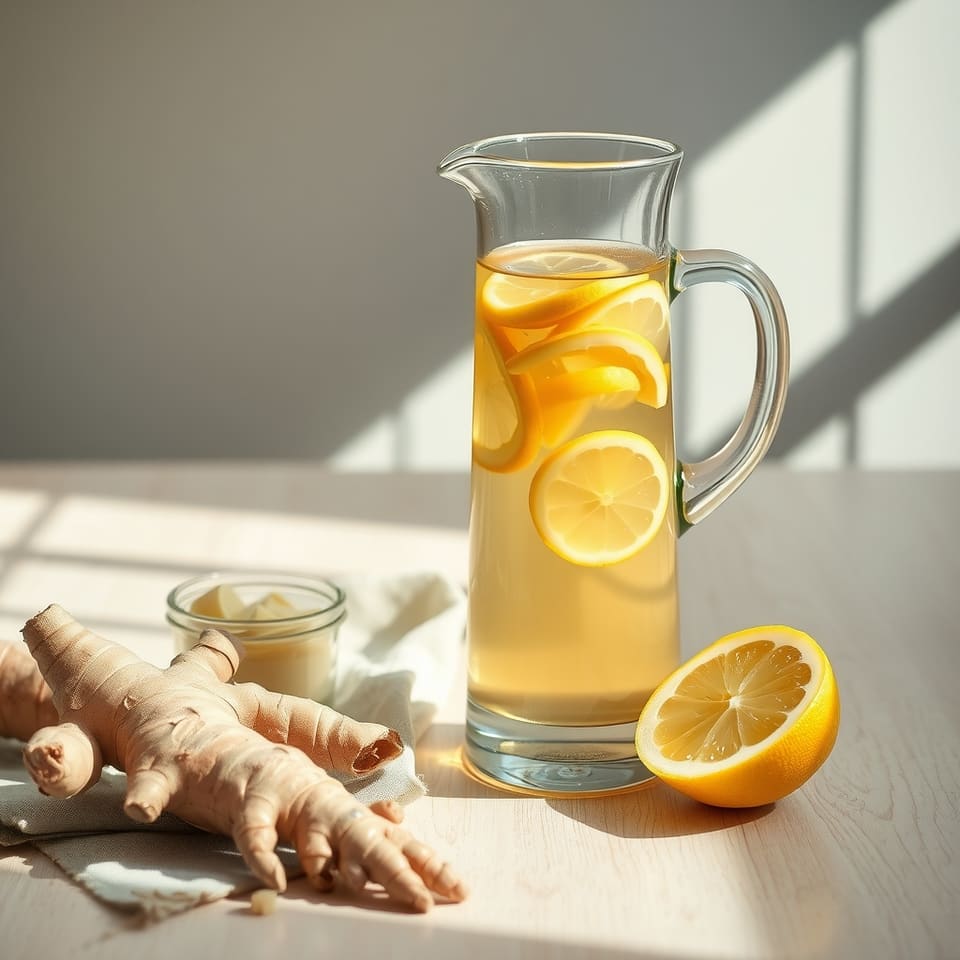
Ginger and lemon water is often sold online as a fat burner. It is not one, but it can still earn a place in your day as a refreshing, sugar-free swap. Here is the honest picture.
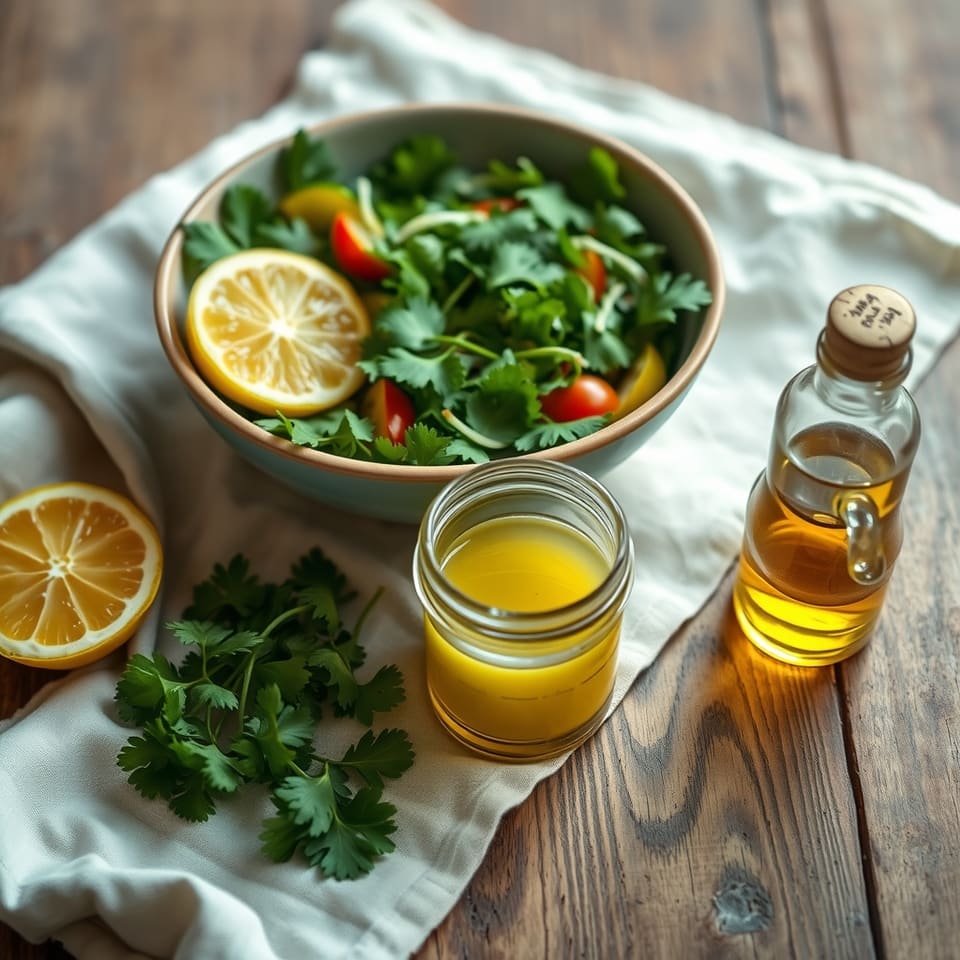
A shot of olive oil and lemon juice on an empty stomach is shared as a liver cleanse, a gallbladder flush and a weight-loss trick. Both are excellent foods, but this ritual promises far more than it can deliver.
Alkaline water promises to neutralize acid and protect your health. Your body already keeps its pH in a tight range. Here is what that means for the water you drink.
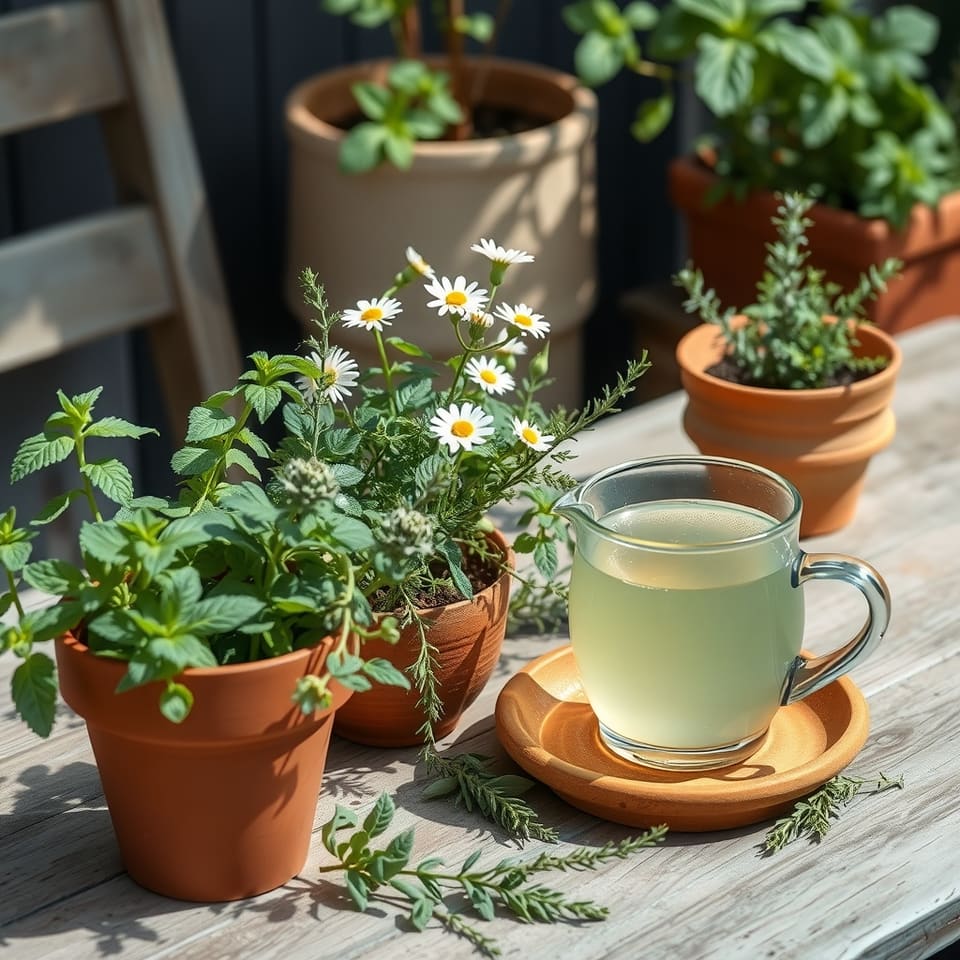
A few pots or a small sunny bed can keep you in fresh herbal tea for most of the year. These six plants are easy to grow, smell wonderful and taste good in a cup.
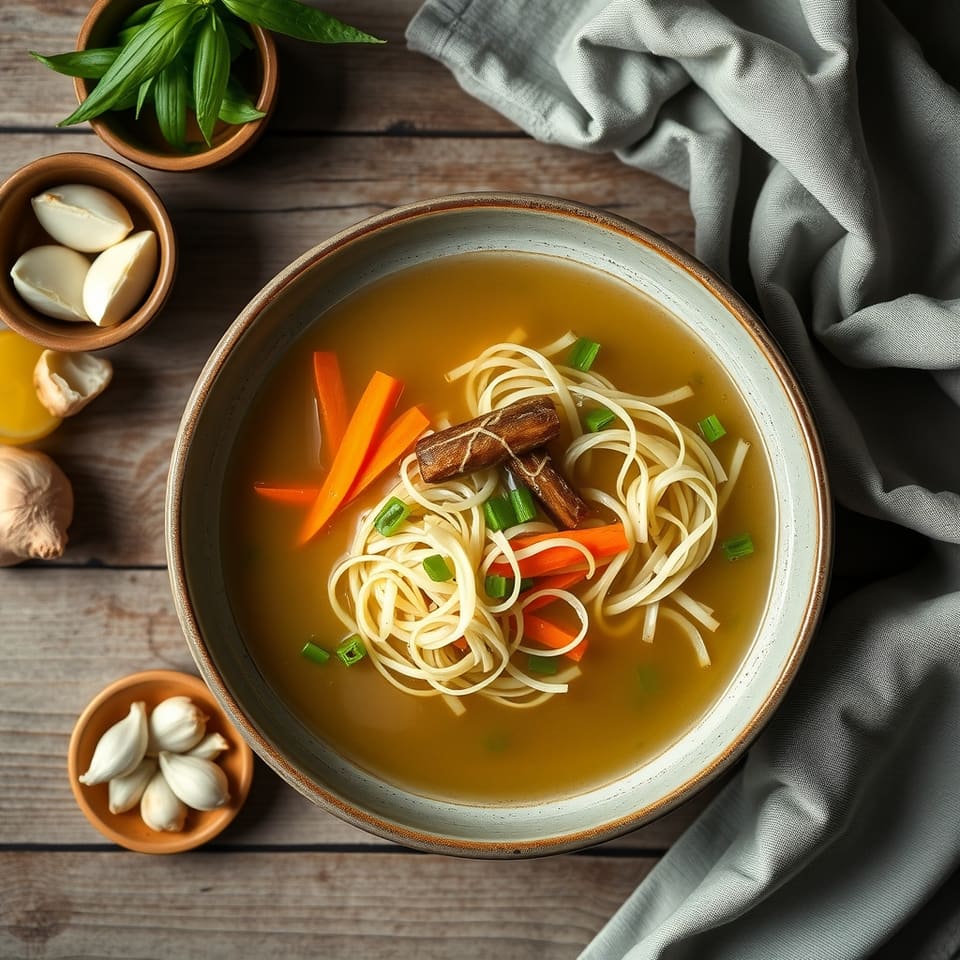
A light, fragrant broth with plenty of fresh ginger and garlic, ready in about half an hour. It will not shorten your cold, but it is an easy way to get warm fluids and a little food in when you feel run down.
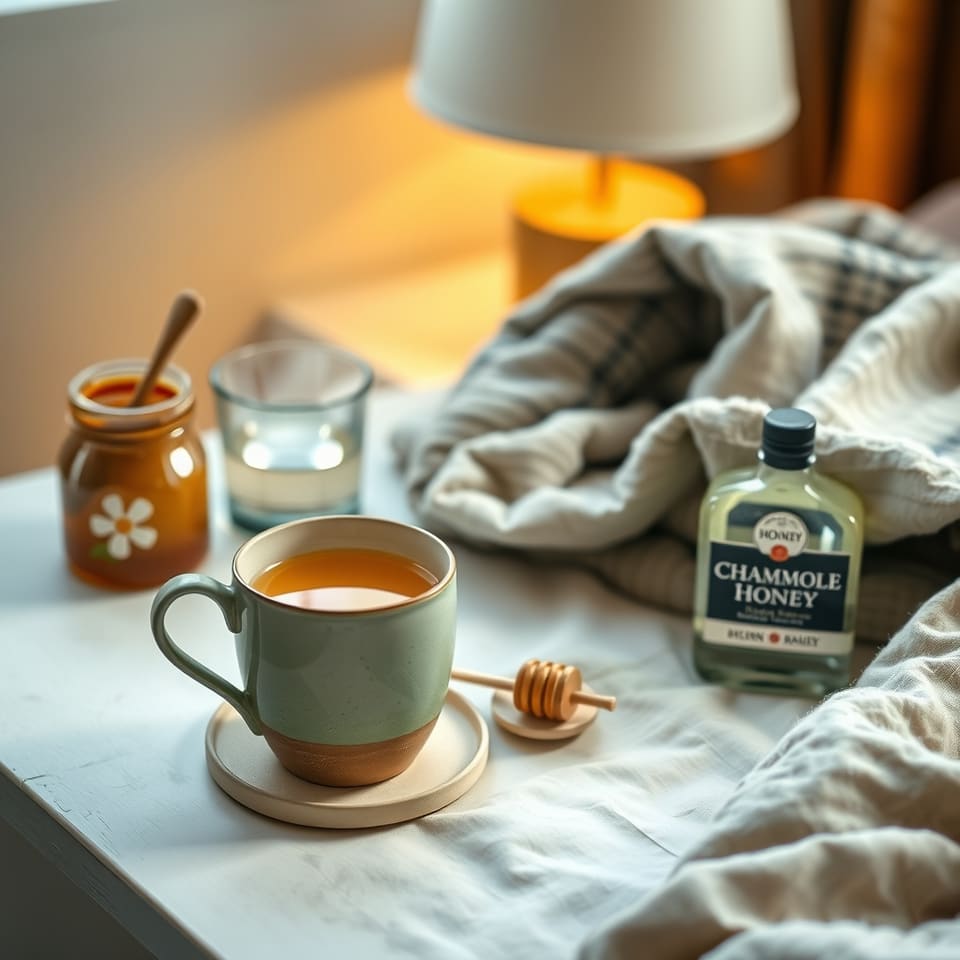
A tickly cough often seems to wake up just as you lie down. A warm, caffeine-free cup with honey before bed and a few small changes to your evening may make the night easier.
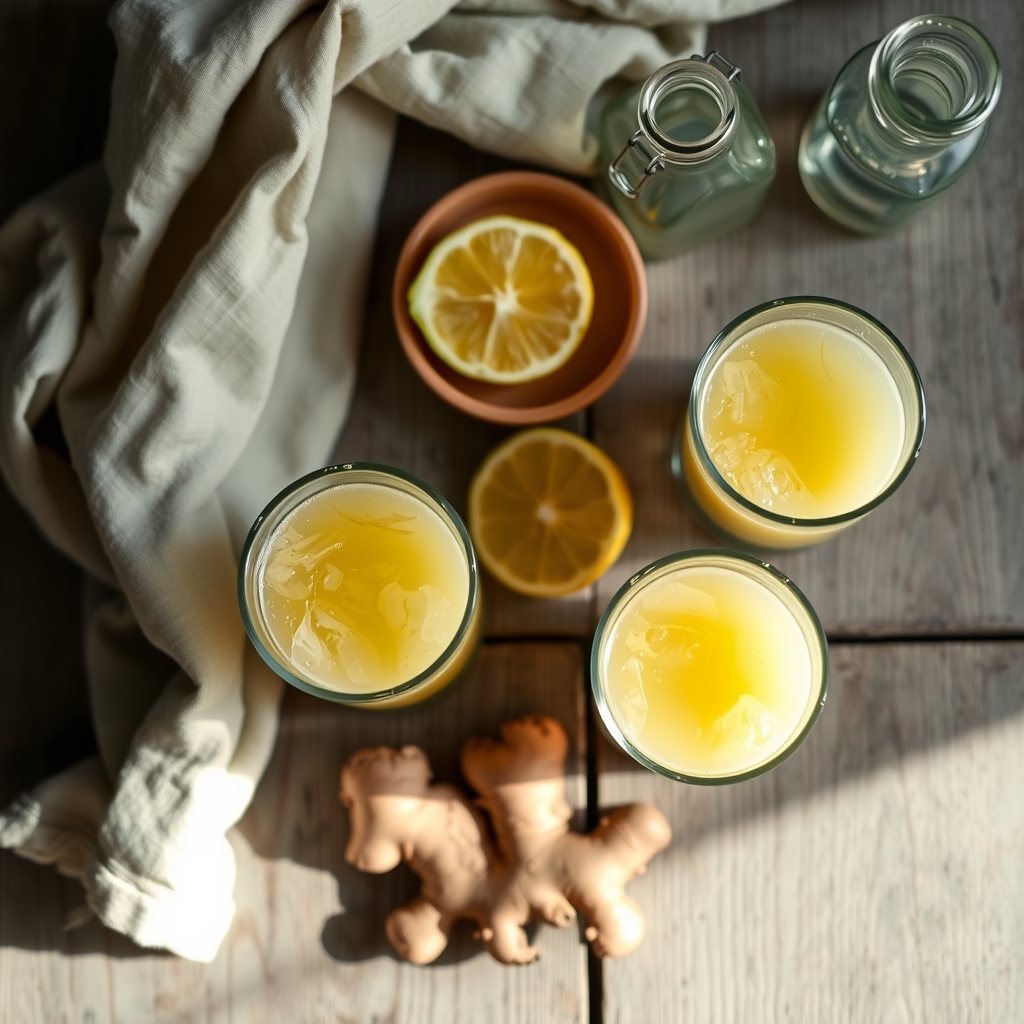
A small, fiery glass of fresh ginger and lemon. Here is how to make it, how strong is too strong, and what ginger shots can and cannot do.
A cup of sage tea is an old European habit after heavy meals. It is also one of the few kitchen herbs where the amount really matters, because of a compound called thujone.
Put your shop, brand or service in front of people reading about herbs, natural skin care and home remedies, in English and Greek.