Drinking Water Before Meals and Appetite
A glass of water before a meal is one of the simplest habits around. Some studies suggest it helps certain people eat a little less at that meal, but the evidence is narrower than the headlines.
You may have heard that drinking a big glass of water before you eat helps you feel full sooner. It is cheap, easy and has no calories, so it is not surprising the idea is popular.
This guide explains what the research actually found, who it seems to apply to, and why it is best seen as a small habit for feeling comfortably full rather than a weight-loss tool. There is also a simple lemon and mint water if plain water feels dull, and an important note for people who have been told to limit fluids.
Why people try it
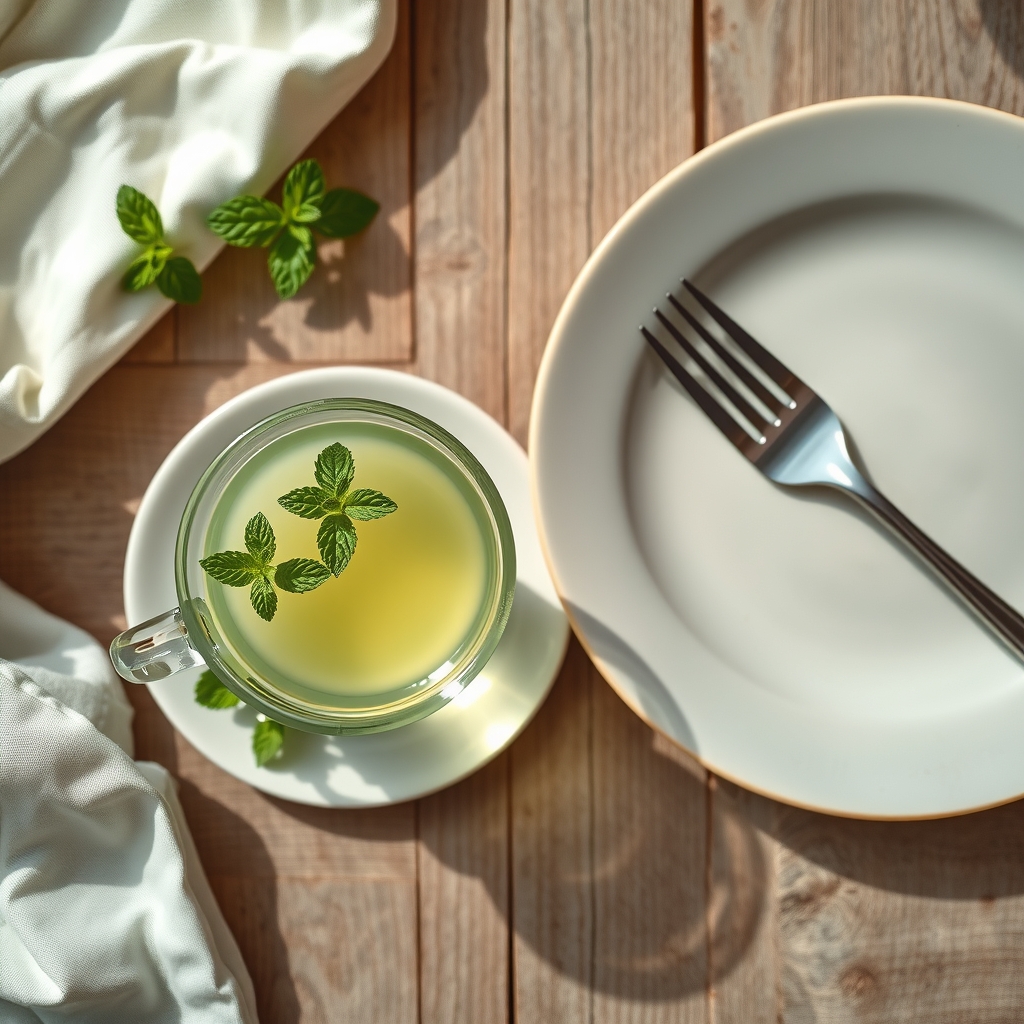
The idea is that water takes up some room in your stomach before food arrives, so you feel satisfied a little sooner. Mayo Clinic notes that drinking water may increase fullness and reduce how much you eat, and that swapping sugary drinks for water is a sensible change.
It also helps you meet your daily fluid needs. The NHS suggests about 6 to 8 cups or glasses of fluid a day as a general guide, with more needed in hot weather, during exercise, when ill, or when pregnant or breastfeeding.
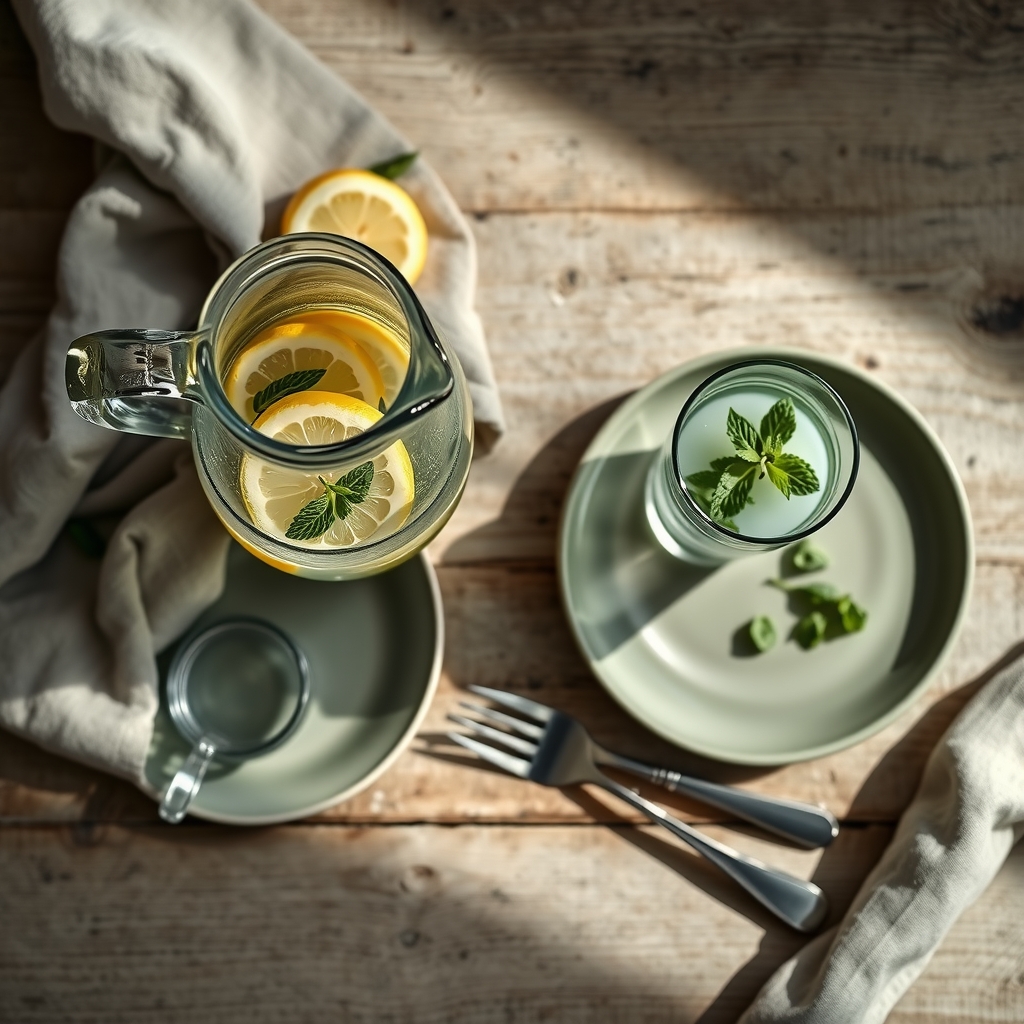
Lemon and Mint Water Before Meals
You need
- cold water1 liter (4 cups)
- lemon, thinly sliced1/2
- fresh mint leaves, rinsed1 small handful
Method
- Put the lemon slices and mint leaves in a clean jug and press the mint gently with a spoon.
- Pour in the cold water and chill in the fridge for 30 minutes to 2 hours.
- About 30 minutes before a meal, pour yourself a glass of 250 ml (1 cup) or so and drink it at a comfortable pace.
- Keep the jug in the fridge and finish it within 24 hours, then make a fresh one.
Tips
- One ordinary glass is enough. There is no benefit in forcing down large amounts.
- Lemon is acidic, so rinse with plain water afterward if your teeth are sensitive.
What the evidence says
One frequently cited study, published in 2008, tested this in 24 overweight and obese adults aged 55 to 75. On one morning they drank 500 ml (about 2 cups) of water 30 minutes before breakfast; on another they had no water first. They ate noticeably less at breakfast after the water.
That study was small, looked at a single meal, and did not measure how full people felt. The researchers also pointed to their own earlier work, in which water before a meal reduced intake in older adults but not in younger adults. So the effect may depend on age and may not apply to everyone.
Mayo Clinic notes that while some studies suggest more water may help with weight, more research is needed. The honest summary: a glass of water before eating may help some people, especially older adults, feel fuller at that meal. It is not a proven way to change your appetite or weight over time.
When more water is not better
Drinking too much water is rare in healthy adults, but it can happen. Mayo Clinic explains that if your kidneys cannot clear the excess, sodium levels in the blood can drop too low. This is called hyponatremia and can be life-threatening.
Some people are told by their doctor to limit how much they drink. MedlinePlus explains that people with heart failure may need to limit fluids and salt to help prevent swelling, and that their care team may advise how much to drink. If you have been given a fluid limit, the glass before meals counts toward it.
Questions people ask
How much water should I drink before a meal?
An ordinary glass is plenty. The main study used 500 ml (about 2 cups) 30 minutes before breakfast in older adults, but that is not a target everyone needs to hit.
Will drinking water before meals help me lose weight?
It is not a proven weight-loss method. A few small studies suggest some people eat a little less at that meal, and Mayo Clinic says more research is needed.
Does tea or sparkling water count?
Yes. The NHS says water, lower-fat milk and lower-sugar drinks, including tea and coffee, all count toward your daily fluids. Sparkling water can make plain water more appealing.
Sources
- Water Consumption Reduces Energy Intake at a Breakfast Meal in Obese Older Adults — Journal of the American Dietetic Association (PMC)
- Water: How much should you drink every day? — Mayo Clinic
- Water, drinks and your health — NHS
- Heart failure - fluids and diuretics — MedlinePlus
This article is for general information only and is not medical advice. Herbs can interact with medicines and health conditions. Talk to a doctor or pharmacist before trying a herbal remedy, especially if you are pregnant, breastfeeding, giving it to a child, or taking any medication.