Pyrrolizidine Alkaloids in Tea: What EFSA Says
Some herbal teas can carry traces of natural plant toxins picked up in the field. European food safety experts say the main concern is for people who drink a lot of the same tea for years, and the fix is simple: variety.
Pyrrolizidine alkaloids, often shortened to PAs, are a mouthful of a name for a group of natural chemicals made by plants. They are not added to tea on purpose. They arrive by accident, when certain wild plants grow among a crop and are harvested along with it.
European food safety agencies have studied PAs in tea for more than a decade. Their message is calm but clear: an occasional cup is not the worry, while drinking large amounts of the same herbal tea every day for years is worth rethinking. Here is what they found and what you can do.
What pyrrolizidine alkaloids are
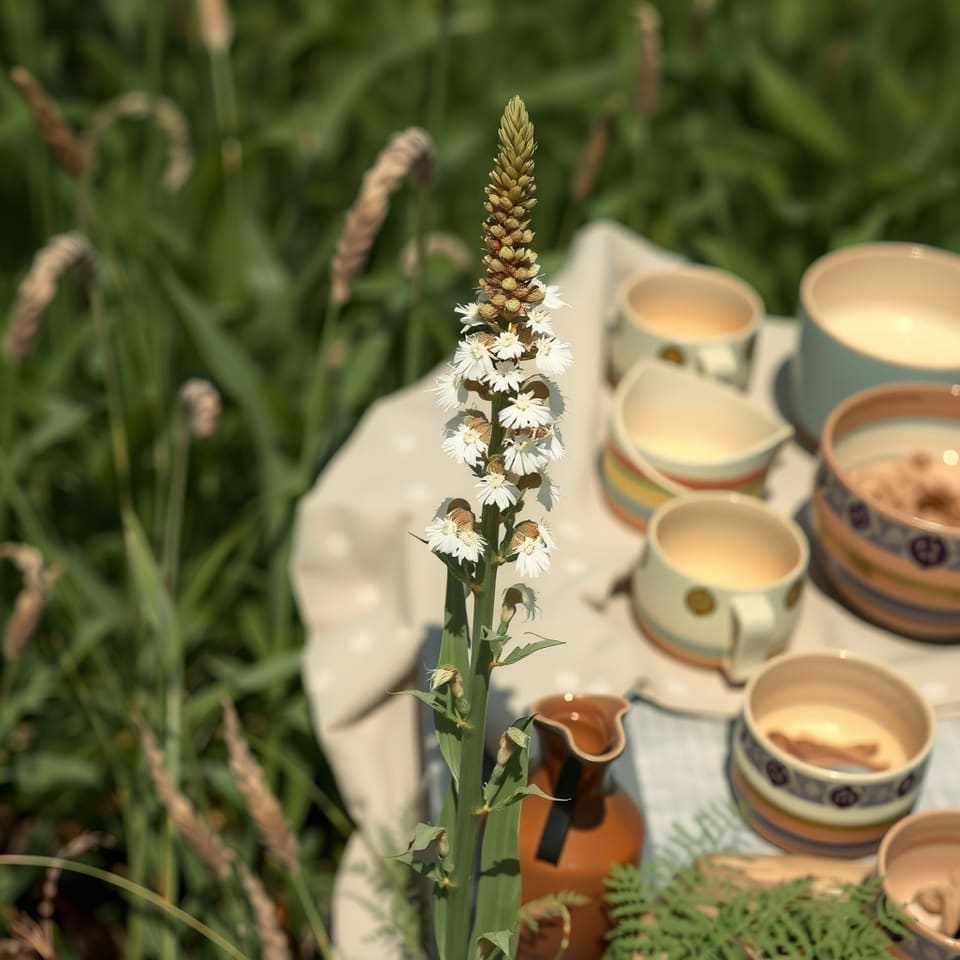
According to Germany's Federal Institute for Risk Assessment (BfR), PAs have been found in more than 350 plant species, and experts expect over 6,000 species to make them. They come from at least 13 plant families, including the daisy, borage and legume families. Common examples in Europe are ragwort, groundsel and viper's bugloss.
These weeds can grow in fields of tea, herbs and spices and end up in the harvest. Bees can also carry them into honey and pollen. Some plants, such as comfrey and borage, make PAs themselves.
Why they matter for your health
The liver is the main target. The BfR explains that PAs can damage the small blood vessels of the liver, and in long-term animal studies some PAs caused cancer, most likely by damaging genetic material. For that reason, no safe intake level can be set for this effect, and the aim is to keep exposure as low as reasonably possible.
Severe, sometimes fatal, poisonings have happened after very high exposure, for example in Afghanistan and Jamaica. At the levels usually found in European food, acute poisoning has been seen only in isolated cases. The real question is long-term intake.
In 2017 the European Food Safety Authority (EFSA) concluded that PAs in tea and herbal infusions are a possible long-term concern mainly for people who drink them often and in large amounts. It added that food supplements made from PA-producing plants could cause short-term harm, and an earlier assessment flagged toddlers and children who eat a lot of honey.
What the evidence says
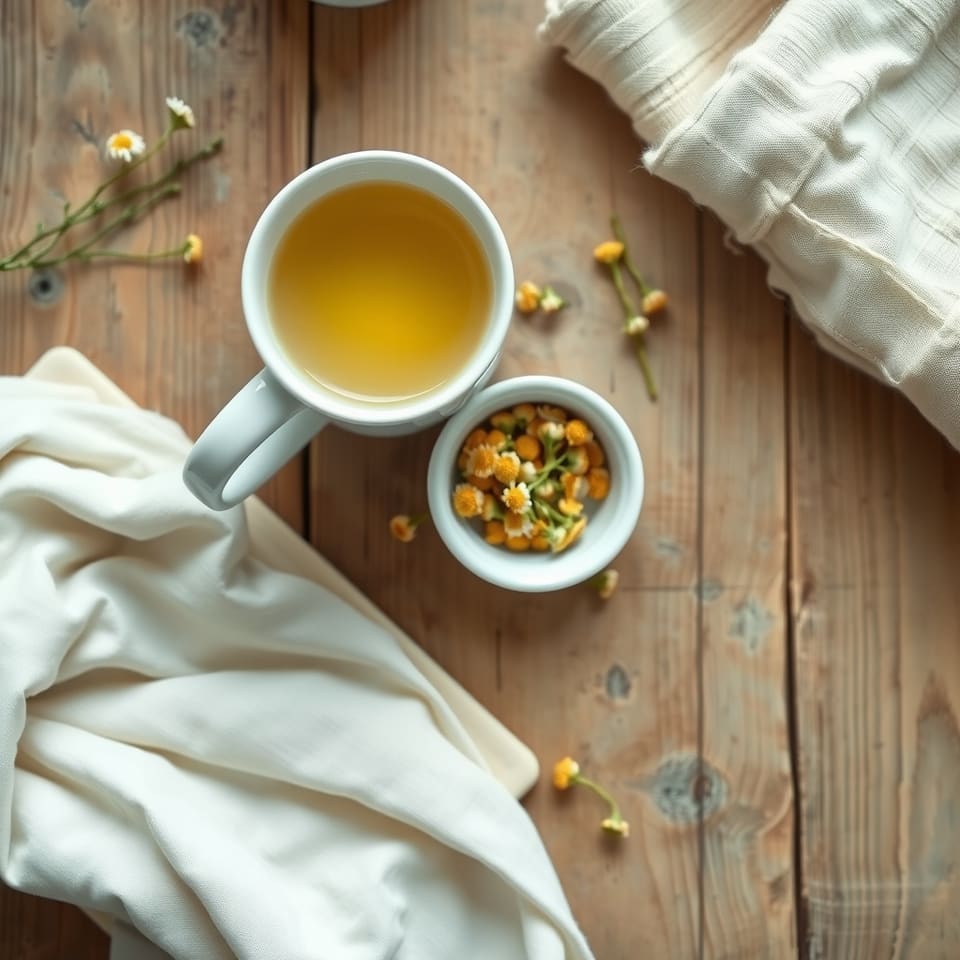
In 2013 the BfR tested 221 tea samples. Levels varied widely, even within the same kind of tea. On average, chamomile and lemon balm teas had the highest levels and fennel teas the lowest. Drinking for up to two weeks, even a high-PA tea, was judged unlikely to harm adults or children, and average drinkers who do not stick to one variety were unlikely to be harmed. Frequent, high-volume drinkers of the same products could face a possible increased cancer risk over time. Children, pregnant women and breastfeeding mothers were named as the groups to protect most.
Much of the cancer evidence comes from animal studies, and the BfR called its assessment preliminary. Since 1 July 2022, the EU has set maximum PA levels for certain foods, and products above them can no longer be sold in the EU. That does not make chamomile or lemon balm dangerous. It means variety is a sensible habit.
How to lower your exposure, step by step
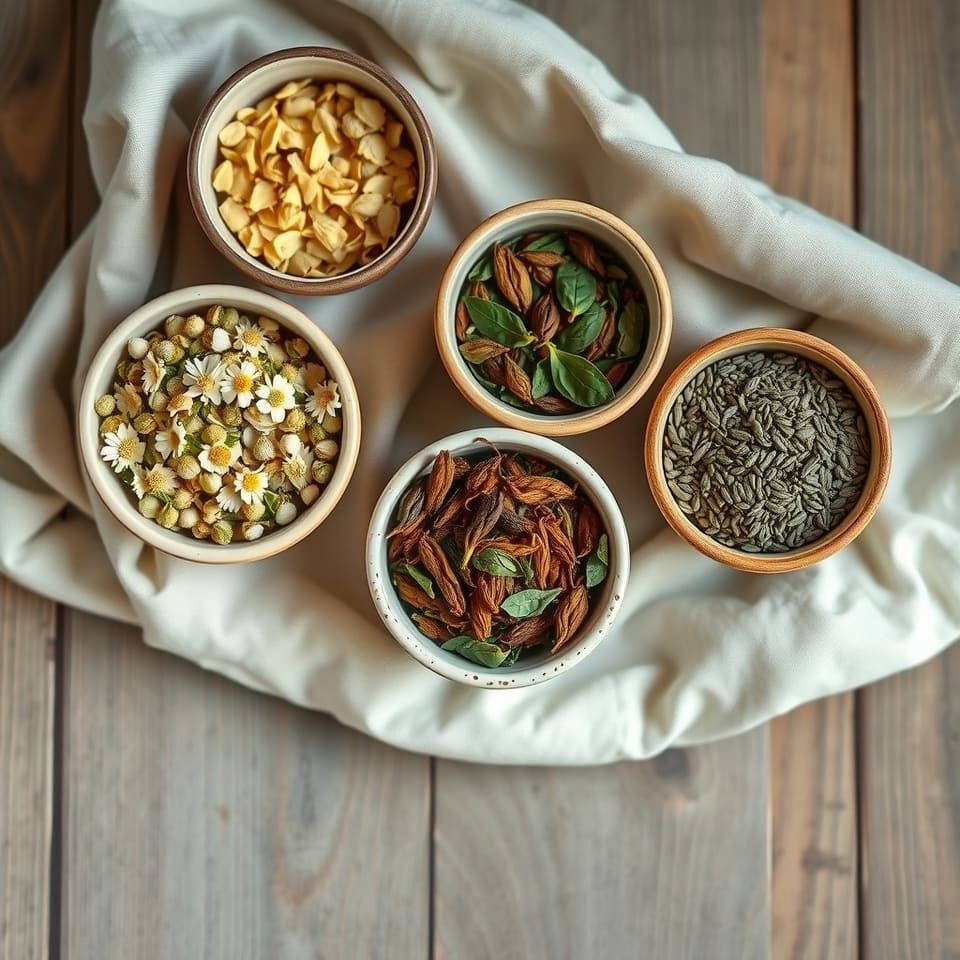
Step 1: Vary your teas. Rotate between several different herbal teas, and drink water and other drinks too, rather than one tea all day, every day.
Step 2: For children, do not make tea or herbal tea their only drink. The BfR suggests offering water or diluted fruit juice as well.
Step 3: If you are pregnant or breastfeeding, alternate herbal teas with other drinks.
Step 4: Do not drink comfrey tea or take comfrey by mouth. Memorial Sloan Kettering notes that it contains PAs that harm the liver, and the US FDA asked manufacturers to remove comfrey products from the market in 2001.
Step 5: Do not add wild plants to teas, salads or smoothies unless you are completely sure what they are. The BfR mentions borage and coltsfoot as plants to avoid.
Step 6: Be cautious with bee pollen supplements and supplements made from PA-producing plants, which can contain higher levels.
Questions people ask
Should I stop drinking chamomile tea?
No. EFSA and the BfR do not advise stopping. Their advice is to vary the teas and drinks you choose, so that no single product makes up most of what you drink over many years.
Are black and green tea affected too?
EFSA's 2017 conclusion covered tea as well as herbal infusions, because weeds can be harvested with any crop. The same advice applies: vary what you drink.
Does boiling or a longer steep remove PAs?
The sources we checked do not say that home brewing removes them. The practical way to lower exposure is to vary your teas rather than rely on how you brew them.
Sources
- Pyrrolizidine alkaloids in tea, herbal infusions and food supplements — European Food Safety Authority (EFSA)
- Questions and Answers on Pyrrolizidine Alkaloids in Food — German Federal Institute for Risk Assessment (BfR)
- Pyrrolizidine alkaloids in herbal teas and teas (BfR Opinion No. 018/2013) — German Federal Institute for Risk Assessment (BfR)
- Comfrey (About Herbs) — Memorial Sloan Kettering Cancer Center
This article is for general information only and is not medical advice. Herbs can interact with medicines and health conditions. Talk to a doctor or pharmacist before trying a herbal remedy, especially if you are pregnant, breastfeeding, giving it to a child, or taking any medication.