Pennyroyal Safety: Why This Mint Needs Great Care
Pennyroyal is a small, sweet-smelling member of the mint family with a long folk history. Its oil and tea have caused serious poisonings, so here is what you need to know and what to do in an emergency.
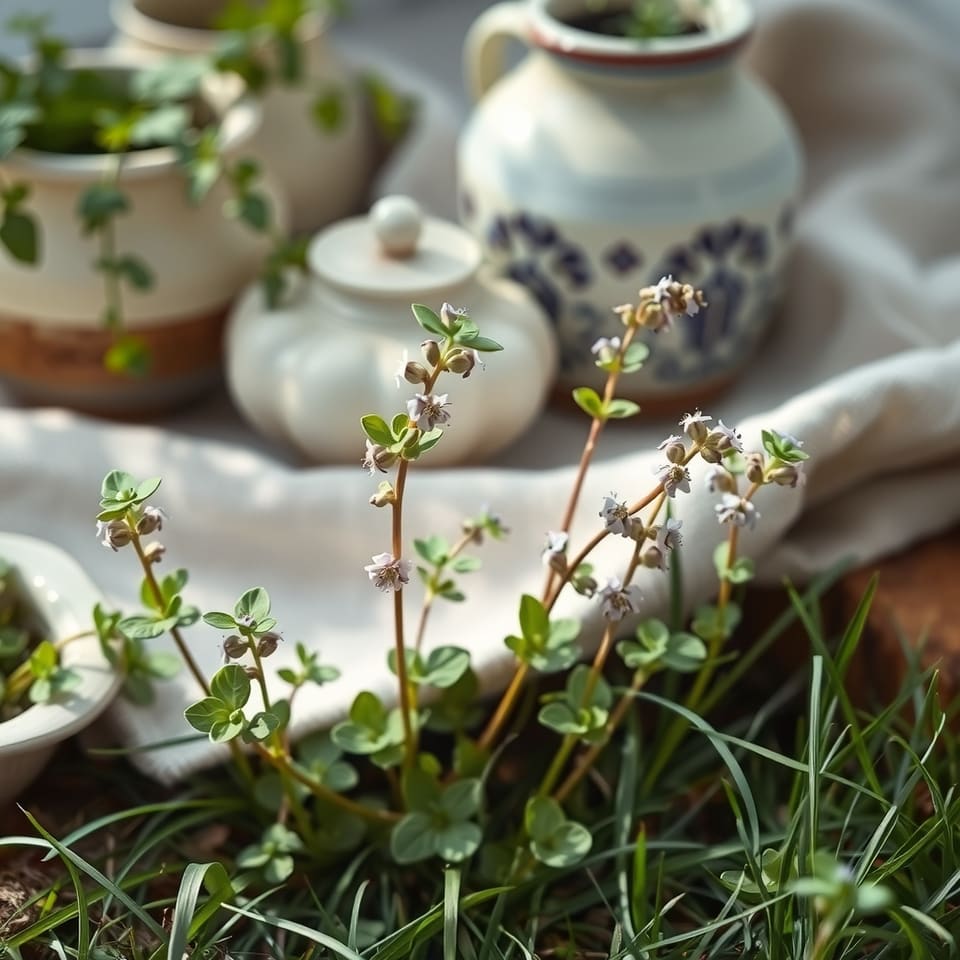
Pennyroyal is a low-growing plant in the mint family with a strong, sweet minty smell. The European species is Mentha pulegium, and an American plant, Hedeoma pulegioides, shares the name. Both have long been used in folk medicine, as a tea or as an oil.
Because it looks and smells like a gentle garden mint, it is easy to assume it is harmless. It is not. Memorial Sloan Kettering Cancer Center describes pennyroyal as an extremely toxic herb that has caused multiorgan failure and death in several people.
Why pennyroyal is dangerous
The main problem is a natural chemical called pulegone. According to the European Medicines Agency, pennyroyal herb contains about 1 to 2 percent essential oil, and 60 to 90 percent of that oil is pulegone. The body turns pulegone into other substances, including menthofuran, which damage the liver.
The concentrated oil is the most dangerous form. The EMA reports that about 10 ml of pennyroyal oil has caused moderate to severe poisoning in adults, and more than 15 ml has caused death. In people who died, doctors found massive liver damage, fluid in the lungs and internal bleeding.
The tea is not a safe alternative for children. Memorial Sloan Kettering reports two infants who developed multiorgan failure after being given pennyroyal tea as a home remedy, and an older woman who developed acute liver failure possibly linked to pennyroyal tea and a drug interaction.
Uses that put people at risk
In folk medicine, pennyroyal was used to bring on a period, to end a pregnancy and to repel insects. Several young women who took the oil to end a pregnancy died of multiorgan failure. Memorial Sloan Kettering says there is no scientific evidence for any of these uses, and that any effect on pregnancy needs a lethal dose and is unreliable.
Because of its reputation as an insect repellent, some people keep pennyroyal oil at home. Any bottle in the house is a real risk if a child or anyone else swallows it.
What the evidence says
Memorial Sloan Kettering lists no scientific evidence that pennyroyal helps with periods, colds or flu, headaches, inflammation, toothache or any other condition.
On the safety side, the record is clear. At least 24 cases of poisoning have been reported, with liver and kidney failure, low blood sugar, clotting problems, bleeding from the gut, seizures and death. Warning symptoms include dizziness, weakness, fainting, stomach cramps, nausea and hallucinations. The EMA says the use of pennyroyal oil should be discouraged, and at the time of its review it found no licensed pennyroyal oil medicines approved in the European Union.
Ordinary peppermint and spearmint are different plants. The EMA found no certain cases of liver damage from peppermint oil or mint oil.
How to stay safe, step by step
Step 1. Never swallow pennyroyal oil, in any amount, for any reason.
Step 2. Do not make or drink pennyroyal tea, and never give it to babies or children.
Step 3. If you are pregnant, trying to get pregnant or breastfeeding, avoid pennyroyal completely. It can cause miscarriage and other toxic effects.
Step 4. Read the labels of herbal blends and repellents. Look for pennyroyal, Mentha pulegium or Hedeoma, and choose another product.
Step 5. If you already have pennyroyal oil at home, store it locked away from children and pets, or dispose of it following your local rules for hazardous household waste.
Step 6. If you pick wild mint, only use plants you can identify with certainty. When in doubt, use mint from a garden center or a food shop.
Questions people ask
Is a single cup of pennyroyal tea dangerous for an adult?
There is no known safe amount, and infants have been seriously harmed by the tea. Since it has no proven benefit, the safe choice is not to drink it at all.
Is regular mint tea safe?
Peppermint and spearmint are different plants. The EMA found no certain cases of liver damage from peppermint oil or mint oil. Avoid pennyroyal specifically.
Can I use pennyroyal to keep insects away?
There is no scientific evidence that it works as a repellent, and the oil is highly toxic if swallowed. Use a tested repellent instead, especially around children and pets.
Sources
- Pennyroyal (About Herbs) — Memorial Sloan Kettering Cancer Center
- Public statement on the use of herbal medicinal products containing pulegone and menthofuran — European Medicines Agency
This article is for general information only and is not medical advice. Herbs can interact with medicines and health conditions. Talk to a doctor or pharmacist before trying a herbal remedy, especially if you are pregnant, breastfeeding, giving it to a child, or taking any medication.