Natural Herbal Room Spray: Safe and Simple
A spray made from steeped herbs is a gentle way to freshen a room. If you add essential oils, keep them very weak and think carefully about babies, children and pets, especially cats.
A few sprays of something fresh can lift a stuffy room. Many people want to avoid strong commercial air fresheners and make their own from herbs instead.
This guide shows you a simple herbal spray made from steeped herbs and water, and how to add a little essential oil if you want a stronger scent. It also explains why less is more, and how to keep babies, children and pets safe.
Two ways to make a herbal spray
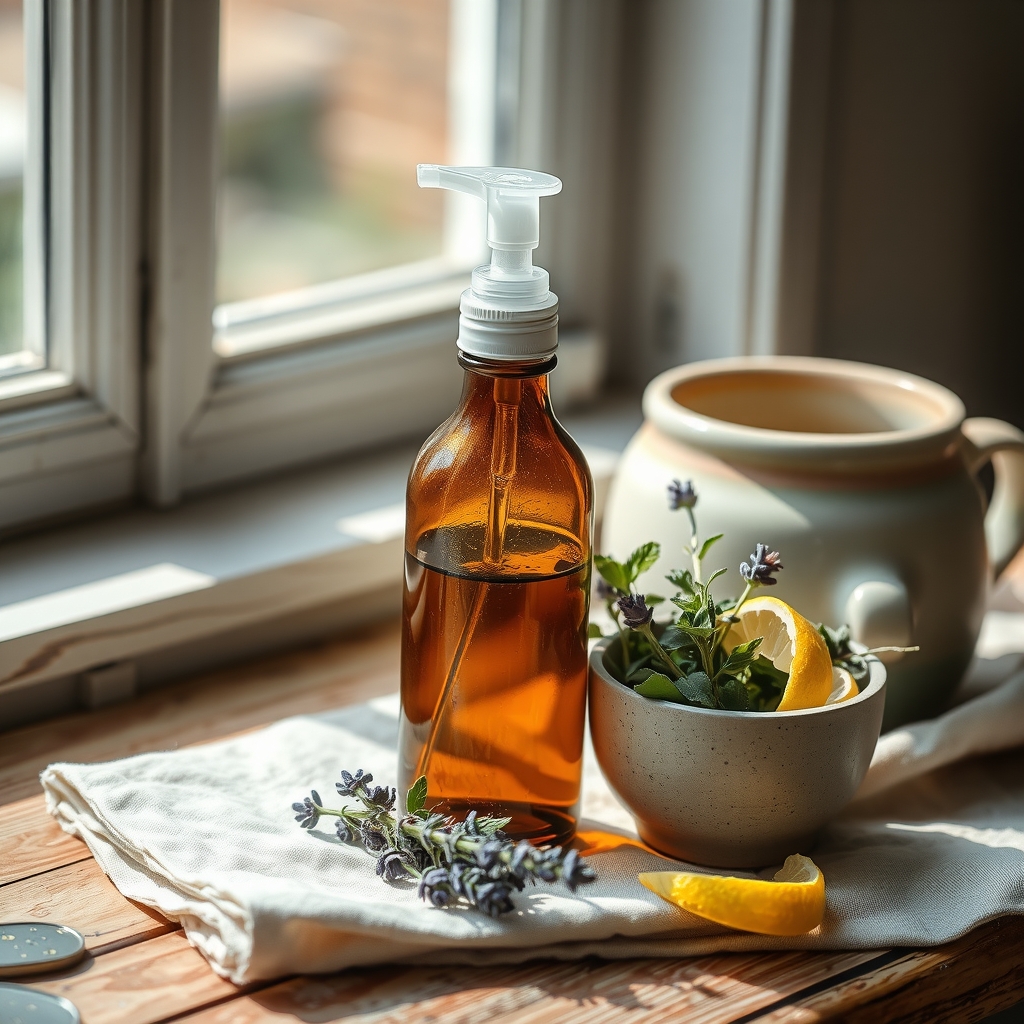
The gentlest option is a herb infusion. You steep fresh or dried herbs such as rosemary, mint, lavender or citrus peel in hot water, strain it and pour it into a spray bottle. The scent is soft and fades quickly, but there are no concentrated oils involved.
The second option adds a few drops of essential oil. Essential oils are highly concentrated plant extracts, so they smell much stronger and last longer. They also carry more risk, which is why the amount matters so much.
Gentle Herbal Room Spray
You need
- water250 ml (1 cup)
- fresh rosemary or a small handful of fresh mint2 sprigs
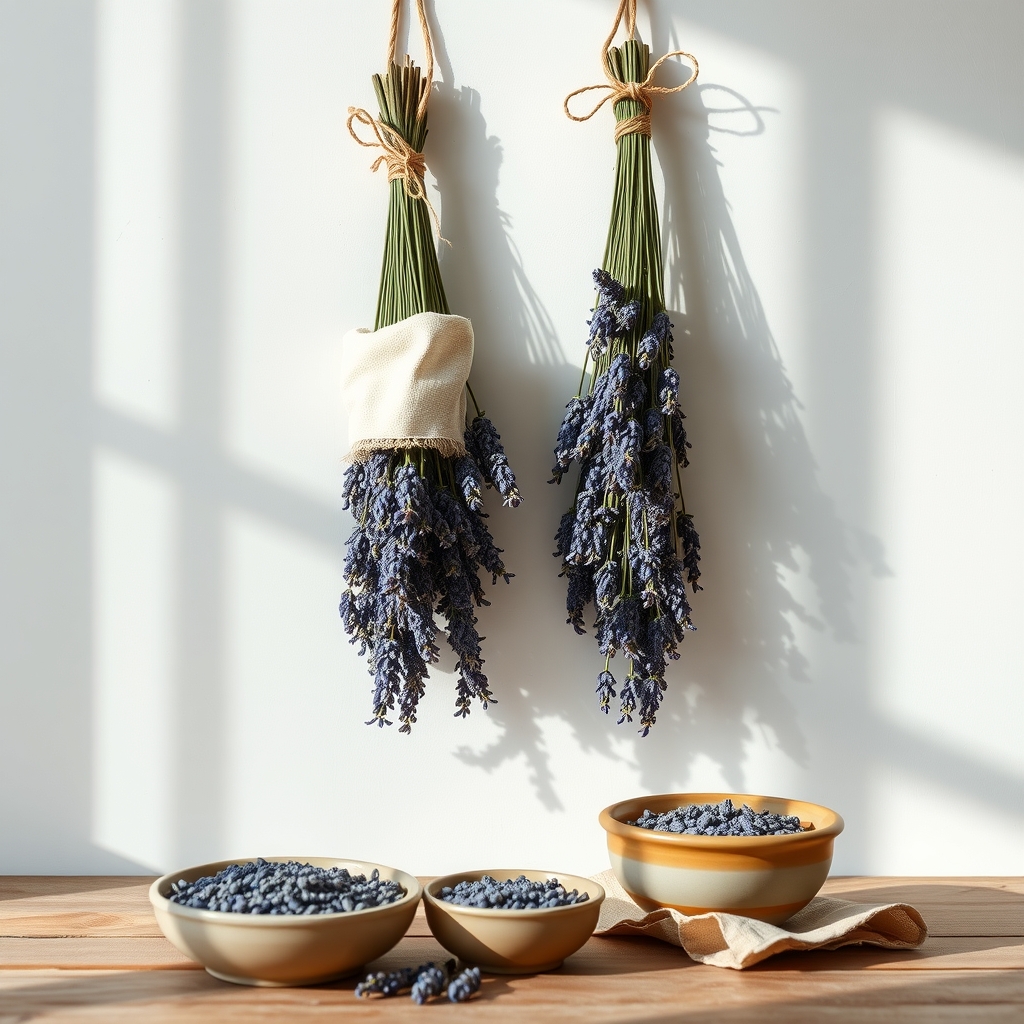
- dried lavender flowers1 tbsp
- lemon, white pith removedPeel of 1/2
- essential oil such as lavender or lemon, for the full 200 ml, only in homes without babies, cats or birdsOptional, up to 10 drops
Method
- Bring the water to a boil, then take it off the heat.
- Add the rosemary or mint, lavender and lemon peel. Cover and steep for 15 to 20 minutes.
- Let it cool completely, then strain through a fine sieve or a coffee filter into a clean jug.
- Pour into a clean glass spray bottle. If using essential oil, add it now, close the bottle and shake well.
- Shake before each use and spray 2 or 3 times into the air, away from people and pets.
Tips
- Herb infusions have no preservative, so keep the bottle in the fridge and use it within about a week. Throw it away if it turns cloudy or smells sour.
- Test a mist on a hidden patch of fabric first, as plant infusions and oils can mark some materials.
- For a stronger scent without oils, use a bigger handful of herbs and steep a little longer.
- Label the bottle clearly so it is not mistaken for a drink.
What the evidence says
A herbal spray can make a room smell pleasant, and that is the honest claim. It does not clean or purify the air. Smells cover other smells; they do not remove the cause. Opening a window, airing fabrics and cleaning the source of an odor do far more.
Claims that scents improve sleep, mood or stress are popular, but the evidence is thin. The US National Center for Complementary and Integrative Health (NCCIH) says too little rigorous research has been done to know whether aromatherapy helps with sleep. In one study it describes, lemon scent improved mood in stressed people, but neither lemon nor lavender changed measures of stress or immune function.
On safety, the message from experts is clear: natural does not mean safe. The University of Minnesota's Taking Charge program warns that essential oils are concentrated, can irritate the body and should never be swallowed.
Dilution: weaker is safer
There is no official standard strength for room sprays. As a cautious household rule, keep essential oils to no more than about 5 drops in 100 ml (about 3 fl oz) of liquid, and start with fewer. If you can smell it strongly across the room, it is too much.
Oil and water do not mix, so shake the bottle well before every spray. Spray into the air, away from faces, and never onto skin, pillows babies sleep on, or pets. Use it in short bursts and keep the room aired, rather than scenting it all day.
Children and pets
The University of Minnesota advises that children under 2 should not use essential oils at all, and children under 6 only with guidance from a health professional. For young children and infants, it recommends using scents only in open, well-aired rooms and never in a child's bedroom. A plain herb infusion with no oils is the better choice in homes with babies.
Pets are more sensitive to smells than we are. The ASPCA warns that concentrated essential oils can harm dogs and cats, and that tea tree oil may cause problems in small amounts. It advises keeping scented products where pets cannot reach them, avoiding them around pets with breathing problems, and not using them at all in homes with birds. The ASPCA also lists lavender as toxic to dogs and cats if eaten. Never spray near pets, their beds or food bowls.
Questions people ask
Can I use a room spray on my pillow to help me sleep?
It is better to spray the air, not the pillow, and evidence that scents improve sleep is limited. Never spray a baby's or child's bedding.
Is a herb infusion spray safe for cats?
It is far milder than an oil spray, but cats are sensitive. Do not spray near them or their bedding, and keep sprigs of lavender out of reach. If you are unsure, ask your vet.
Can I add vodka or witch hazel to make it last longer?
Some people add a little to help the scent spread and slow spoilage, but it is not needed. A small batch kept in the fridge and used within a week is simplest.
Sources
- Aromatherapy — NCCIH
- Integrating Aromatherapy Into Your Lifespan and Survivorship Journey — University of Minnesota, Taking Charge of Your Health and Wellbeing
- The Latest Home Trend Harmful to Your Pets: What You Need to Know — ASPCA
- Lavender — ASPCA
This article is for general information only and is not medical advice. Herbs can interact with medicines and health conditions. Talk to a doctor or pharmacist before trying a herbal remedy, especially if you are pregnant, breastfeeding, giving it to a child, or taking any medication.