Mold in Tea and Dried Herbs: How to Spot It
Dried herbs and tea are meant to be bone dry, which keeps mold away. When damp gets in, mold can grow, and boiling water will not make it safe. Here is what to look for and what to do.
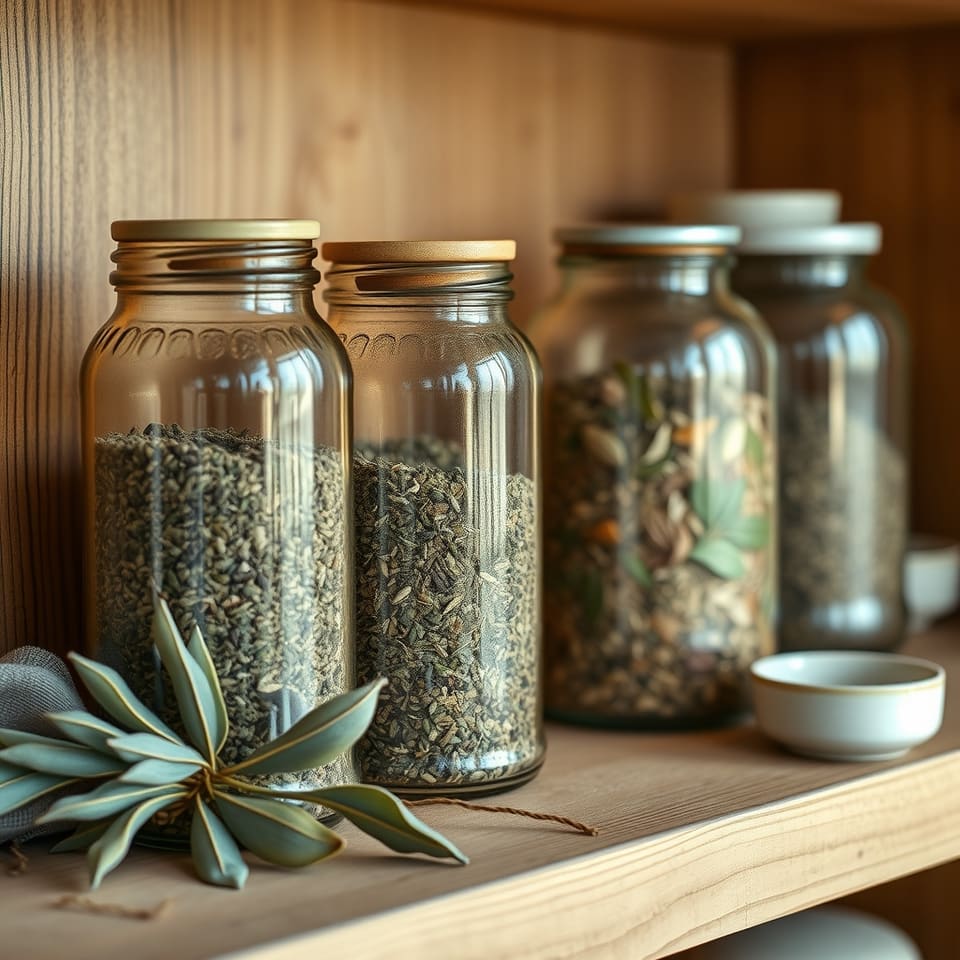
A jar of dried mint from last summer, a box of tea bags at the back of the cupboard, a bundle of oregano drying in a humid kitchen. Wherever you live, dried herbs and tea keep well only as long as they stay dry.
Mold is easy to miss in a jar of crumbly leaves, and it is tempting to think that boiling water will kill anything harmful. Unfortunately, some molds leave behind toxins that survive food processing, so boiling water is no guarantee. This guide shows you what to look for, what to do if you find it, and how to store herbs so it does not happen again.
Why moldy tea is not worth the risk
Molds are microscopic fungi that grow on plant and animal foods. The US Department of Agriculture (USDA) explains that their threads can reach deep into food, so what you can see is often only part of it. Some molds cause allergic reactions and breathing problems, and some make mycotoxins, poisonous substances that can make you sick.
The World Health Organization (WHO) lists dried plant foods such as spices, dried fruits, nuts and coffee beans among the foods where mycotoxins can form, often in warm, humid conditions. Most mycotoxins are chemically stable and survive food processing. In other words, you cannot rely on boiling water to make moldy leaves safe.
How to spot mold in tea and dried herbs
Open the jar or box in good light and look before you scoop. Warning signs include fuzzy or powdery patches in white, green, gray or black, fine web-like threads between leaves, leaves that have clumped together or feel soft and damp instead of crisp, and spots or stains on tea bags.
If the contents smell damp or musty when you open them, do not lean in for a closer sniff. The USDA advises against sniffing moldy food because it can cause breathing problems. Also check where the herbs were kept: condensation inside the jar or a damp cupboard is a red flag even if you cannot see mold yet.
What the evidence says
There is little research on mold in home tea jars specifically. What we know comes from general food safety advice. The USDA allows cutting mold away only from a few firm foods, such as hard cheese and firm vegetables, and advises throwing many other moldy foods away, because mold threads can reach deep inside. Loose dried leaves and tea bags cannot be trimmed around a spot, so the cautious choice is to discard the whole batch.
The WHO advises consumers to throw away foods that look moldy, discolored or shriveled, to store food dry and not too warm, and not to keep it for long periods. Since you cannot test a jar for mycotoxins at home, prevention is your best tool.
What to do and how to prevent it, step by step
Step 1: Do not brew, taste or pick through moldy tea or herbs. Treat the whole jar or box as spoiled.
Step 2: Seal it in a bag and put it in a covered bin that children and pets cannot reach, as the USDA advises for moldy food.
Step 3: Clean the shelf or cupboard where it was stored and check the jars and packets nearby.
Step 4: If you dry your own herbs, keep the bundles small, since large bundles can mold, and wait until the leaves crumble easily. The University of Georgia notes that air-drying usually takes one to two weeks.
Step 5: Store dried herbs and tea in airtight glass containers in a dark, cool, dry place, away from the kettle and stove.
Step 6: Buy amounts you will use soon. Properly stored dried herbs can keep flavor for up to a year, but are best within six months.
Questions people ask
I already drank a cup from a moldy jar. Should I worry?
Stay calm. Stop drinking it, throw the jar away and watch for symptoms such as stomach upset, a rash or breathing problems. Contact your doctor if you feel unwell or are worried.
Are tiny white hairs on dried sage or mint mold?
Some herbs naturally have fine hairs on their leaves, which look the same on every leaf. Mold usually appears as fuzzy patches or threads that join leaves together, often with a musty smell. If you are unsure, do not use it.
Can I keep tea in the fridge to stop mold?
Usually not needed. Taking a cold jar in and out of a warm kitchen can cause condensation inside. A dark, cool, dry cupboard and an airtight container work better.
Sources
- Molds on Food: Are They Dangerous? — USDA Food Safety and Inspection Service
- Mycotoxins (fact sheet) — World Health Organization
- Professor discusses how to dry fresh herbs — University of Georgia
This article is for general information only and is not medical advice. Herbs can interact with medicines and health conditions. Talk to a doctor or pharmacist before trying a herbal remedy, especially if you are pregnant, breastfeeding, giving it to a child, or taking any medication.