Itchy Scalp Home Remedies and When to See a Doctor
An itchy scalp is common, annoying and usually harmless. The best home remedy depends on the cause, so here is a quick guide to the usual suspects, a gentle wash routine to try, and the signs that mean it is time to see a doctor.
Almost everyone has an itchy scalp now and then. Often it comes and goes with the weather or a new shampoo. Sometimes it keeps returning and starts to affect sleep and how you feel about your hair.
Searching for home remedies brings up a long list of oils, vinegars and kitchen ingredients. The trouble is that an itchy scalp is a symptom, not a single problem. What soothes dry skin can make another cause worse. The most useful first step is to work out which kind of itch you have.
Common causes of an itchy scalp
Harvard Health lists several frequent causes. A dry scalp is more common in winter and in cold, dry climates, and can be made worse by products that strip natural oils. Dandruff is a mild form of seborrheic dermatitis and causes itching with flakes. Allergic reactions or sensitivity to hair products can cause itching and a rash, and are more common in people who dye their hair.
Other causes need specific treatment. Atopic dermatitis, a type of eczema, can make the scalp red, itchy and scaly. Scalp psoriasis causes itchy, scaly patches that can be mistaken for dandruff, and about half of people with psoriasis get it on the scalp. Hives cause an itchy red rash that appears quickly and then fades.
Two causes should never be handled with home remedies alone. Head lice cause itching from bites and spread easily, and Harvard Health stresses that they have nothing to do with poor hygiene. A fungal infection of the scalp, called tinea capitis or scalp ringworm, causes itching along with pus-filled bumps and hair loss, and needs prescription antifungal medicine taken by mouth, sometimes for up to two months.
Gentle Wash Routine for an Itchy Scalp
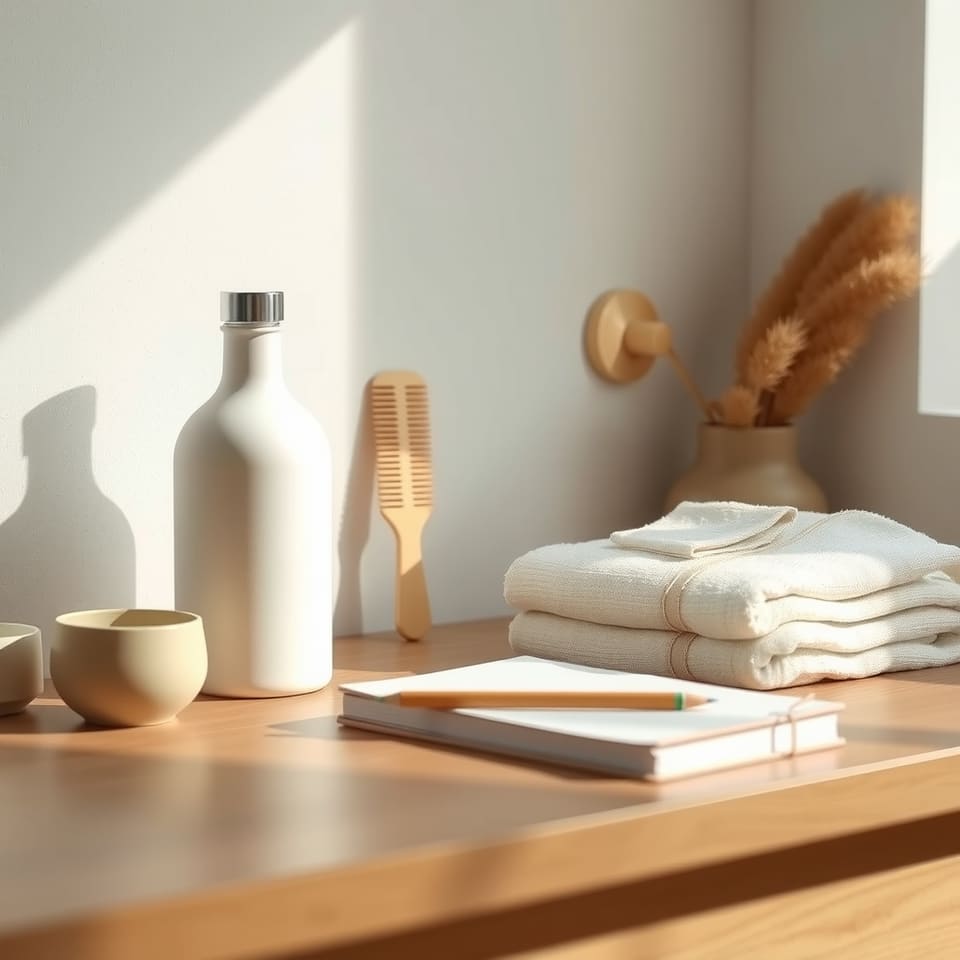
You need
- water, not hotLukewarm
- gentle, fragrance-free shampoo, or an over-the-counter dandruff shampoo if you have flakes1 small amount
- conditioner for the lengthsOptional
- small notebook or notes app for your symptom journal1
Method
- Wet your hair with lukewarm water. Hot water can dry and irritate the skin further.
- Apply the shampoo to your scalp rather than the full length of your hair, as the AAD advises.
- Massage gently with the pads of your fingers. Do not scrub hard or use your nails.
- If you are using a dandruff shampoo, leave it on for the time shown on the label, often 5 to 10 minutes.
- Rinse thoroughly so no product is left on the scalp. Use conditioner on the lengths only if you need it.
- Pat your hair dry with a soft towel instead of rubbing, then write a quick note on what you used and how your scalp feels.
Tips
- Wash as often as your hair type needs. The AAD notes that oily, straight hair may need daily washing, while textured or curly hair may need it far less.
- If you have coily or curly hair, the AAD suggests using dandruff shampoo about once a week, on the scalp only, because the active ingredients can dry the hair.
Home care that is worth trying
For dry scalp, switch to a gentle or moisturizing shampoo and stop any product that seems to strip your scalp. Use lukewarm water rather than hot, and wash gently with your fingertips. Harvard Health notes that washing too often in hot water can make eczema worse.
For flaking and itch that look like dandruff, try an over-the-counter dandruff shampoo. The American Academy of Dermatology (AAD) recommends looking for an active ingredient such as zinc pyrithione, salicylic acid, selenium sulfide, ketoconazole, sulfur or coal tar. Some need to stay on the scalp for 5 to 10 minutes, so read the label. If one type does not help, the AAD suggests alternating between shampoos with different active ingredients.
If you suspect a product, stop using it. Keep a short symptom journal of what you used, when the itch started and how it changed. This makes it much easier for you, or a dermatologist, to find the trigger.
What the evidence says
For the most common causes, the best-supported home care is not a kitchen remedy. It is gentle washing, avoiding triggers and, for dandruff, an over-the-counter medicated shampoo. The dermatology sources used here do not recommend oils, vinegar or lemon juice for an itchy scalp, and there is little good research on these.
Harvard Health also notes that if dandruff shampoos do not work, a doctor may prescribe a stronger shampoo, antifungal creams or foams, or a corticosteroid. Psoriasis and eczema have their own treatments. So if simple care does not settle the itch within a few weeks, a diagnosis will usually help more than trying one home remedy after another.
Questions people ask
How can I tell dry scalp from dandruff?
Dry scalp is more common in winter, in dry climates and after harsh products, and often eases with a gentler shampoo. Dandruff causes itch with flakes and usually responds better to a dandruff shampoo. See a dermatologist if neither helps.
Is an itchy scalp a sign of poor hygiene?
No. Most causes, including lice, have nothing to do with how clean you are. Washing too often in hot water can even make some causes worse.
Can stress make my scalp itch?
Stress is one of the listed triggers for hives, which can cause a quick, itchy rash. If an itch keeps coming back, a symptom journal can help you spot patterns.
Sources
- What could be causing your itchy scalp? — Harvard Health Publishing
- How to treat dandruff — American Academy of Dermatology
- Tips for healthy hair — American Academy of Dermatology
This article is for general information only and is not medical advice. Herbs can interact with medicines and health conditions. Talk to a doctor or pharmacist before trying a herbal remedy, especially if you are pregnant, breastfeeding, giving it to a child, or taking any medication.