Herbs to Stop Before Surgery, and Why
Herbal supplements can affect bleeding, sedation and other medicines, which matters a lot around an operation. Here is why your surgical team needs to know about every herb you take, and what to do in the weeks before.

When you are getting ready for an operation, you will be asked about your medicines. Many people do not think to mention the ginkgo capsule they take for memory, the garlic tablets for their heart or the calming tea they drink every night.
Those details matter. Some herbs can make bleeding more likely, change the way other medicines work or add to the effect of sedatives. Telling your surgical team about them, and stopping them when advised, is one of the simplest things you can do to make surgery safer.
Why herbs matter before an operation
Surgery carries a natural risk of bleeding, and you will usually be given anesthesia, pain relief and other medicines. An herb that thins the blood, makes you drowsy or interferes with other drugs can add to these effects.
Most of the warnings below are about supplements, such as capsules, tablets and extracts, and about herbs taken regularly. They are not about the small amounts of herbs you use to flavor food.
Four herbs to tell your team about
Ginkgo. Mayo Clinic says ginkgo might raise the risk of bleeding, especially when taken with blood thinners, antiplatelet drugs or ibuprofen, and advises stopping it two weeks before surgery.
Garlic supplements. NCCIH says garlic supplements may increase the risk of bleeding, and that telling your health care providers you use them is especially important if you are going to have surgery. Talk to your doctor before combining them with anticoagulants or aspirin.
Ashwagandha. This popular root is not recommended for people about to have surgery, according to NCCIH. It may interact with sedatives, diabetes and blood pressure medicines, thyroid medicines and others, and it can cause drowsiness.
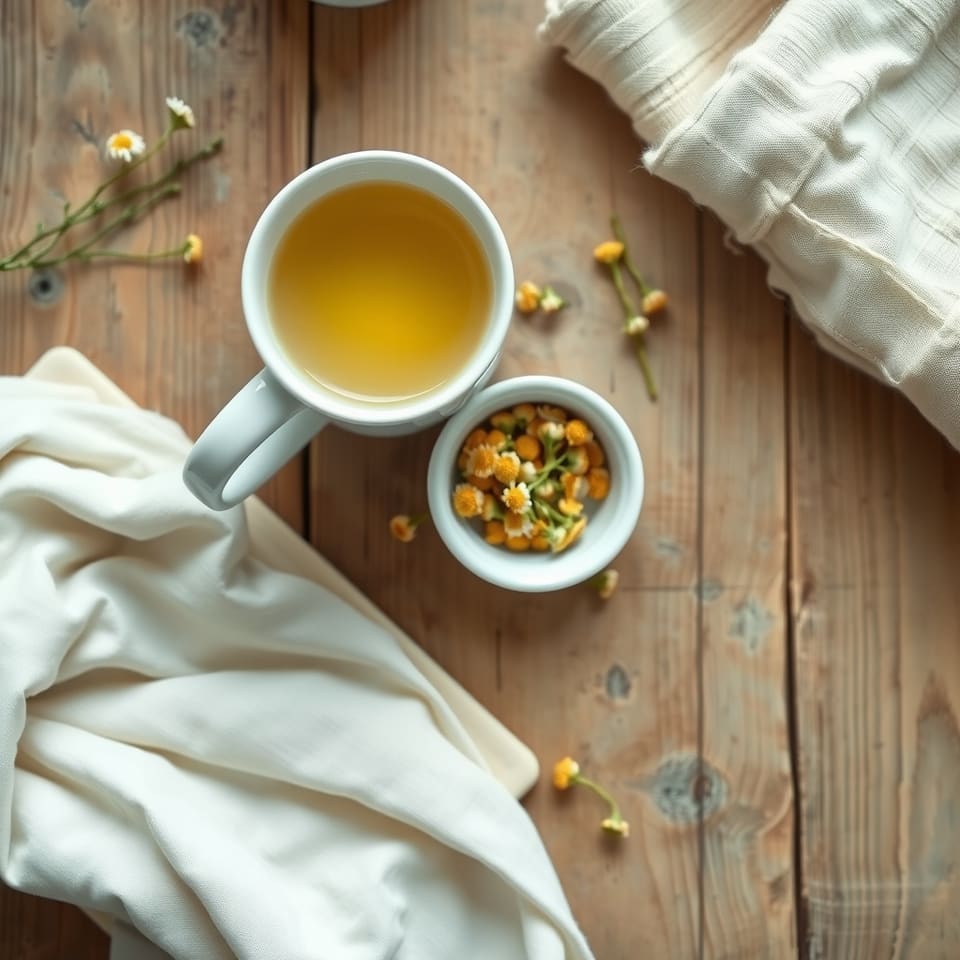
Chamomile. Even a gentle tea can matter. Memorial Sloan Kettering Cancer Center notes that chamomile may increase bleeding risk with blood thinners such as warfarin, may add to the effect of sedatives and has been linked with higher levels of the transplant drug cyclosporine.
What the evidence says
Much of what is known comes from case reports, laboratory studies and known effects of these herbs, not from large trials in surgical patients. For example, the warning about chamomile and warfarin rests on a case report of internal bleeding, and Memorial Sloan Kettering notes that the clinical importance of chamomile's effects on liver enzymes has not been confirmed.
Because the evidence is limited, the safest approach is a cautious one. The sources share the same key message: tell your health care providers about every supplement you use, so they can decide what to stop and when. This is not a list of every herb that matters, so mention anything you take, even if it is not named here.
What to do before surgery, step by step
Step 1. As soon as your operation is booked, write a list of every herb, supplement, vitamin and herbal tea you use, with the dose and how often you take it.
Step 2. Bring the list, or the packets, to your pre-surgery appointment, and share it with your surgeon and anesthesia team. Include anything you have taken in the past few weeks.
Step 3. Ask when you should stop each one. Follow the timing they give you. For ginkgo, Mayo Clinic advises stopping two weeks before surgery.
Step 4. Do not stop any prescribed medicine on your own. Some, such as blood thinners, need a specific plan from your doctor.
Step 5. After surgery, ask before restarting any herb or supplement, especially if you have been given new medicines such as blood thinners or pain relief.
Questions people ask
How long before surgery should I stop herbal supplements?
It depends on the herb and the operation, so ask your surgical team. For ginkgo, Mayo Clinic advises stopping two weeks before surgery.
Do I need to stop cooking with garlic before surgery?
The warnings in the sources are about garlic supplements, not garlic in food. Ask your team if you are unsure, and always mention supplements.
Is chamomile tea a problem before surgery?
It may matter if you take blood thinners, sedatives or cyclosporine. Mention it on your list and follow your team's advice.
Sources
- Ginkgo — Mayo Clinic
- Garlic: Usefulness and Safety — NCCIH
- Ashwagandha: Usefulness and Safety — NCCIH
- Chamomile (About Herbs) — Memorial Sloan Kettering Cancer Center
This article is for general information only and is not medical advice. Herbs can interact with medicines and health conditions. Talk to a doctor or pharmacist before trying a herbal remedy, especially if you are pregnant, breastfeeding, giving it to a child, or taking any medication.