Herbs to Plant Together, and Which to Keep Apart
Herbs share a pot happily when they want the same water, sun and soil. Here is how to group them, which ones to keep on their own, and how to plant a mixed pot.
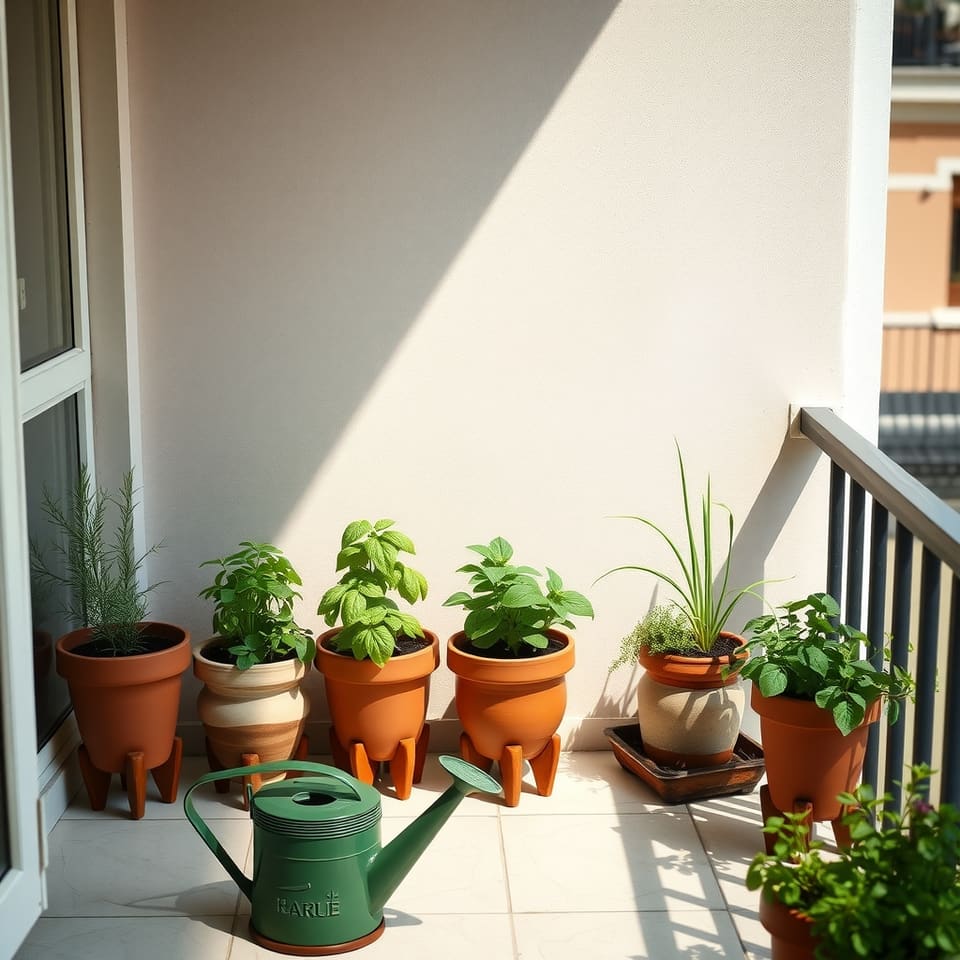
A single pot of mixed herbs on a balcony or windowsill is one of the easiest ways to start growing your own. Whether you cook Italian, Mexican, Thai or Middle Eastern food, a few plants within reach make a real difference.
The trick is choosing herbs that like the same conditions. Put a thirsty herb next to one that hates wet roots and one of them will struggle. This guide shows you how to group herbs, which ones are better kept alone, and how to plant a mixed pot step by step.
The one rule: match water, sun and soil
Colorado State University Extension advises pairing herbs that have similar water and light needs. That single rule matters more than any chart of good and bad neighbors.
Sun is the easy part. Most herbs need at least six hours of direct sun a day, according to both the University of Minnesota and Clemson extension services, because strong light helps the plants build the aromatic oils that give them flavor. Parsley and mint are two that cope with partial shade.
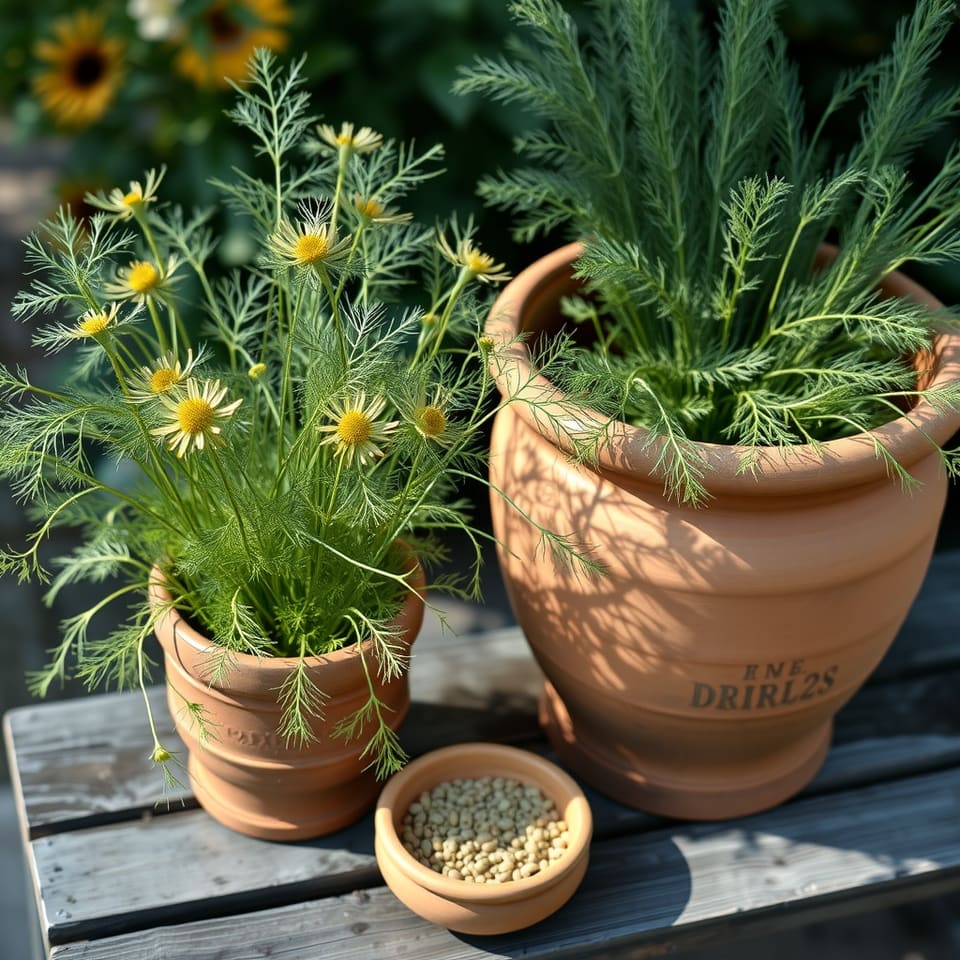
Water is where herbs really differ. The University of Minnesota groups culinary herbs into two broad families. Mint-family herbs such as basil, oregano, marjoram, rosemary, thyme, lavender and sage are bushy and, once established, tolerate heat and dry soil. Carrot-family herbs such as dill, parsley, chervil, cilantro and fennel prefer slightly moist soil that is deep and well drained.
Mixed Mediterranean Herb Pot
You need
- container at least 20 cm (8 inches) deep with plenty of drainage holes1
- layer of drainage material such as gravel or broken pot pieces2.5 cm (1 inch)
- multi-purpose or herb compostenough to fill
- young plants from one group, for example sage, thyme, rosemary and oregano3 to 4
- a thin top layer of gravel or bark as mulchoptional
Method
- Choose plants from the same group so they all want the same water and sun.
- Put at least 2.5 cm (1 inch) of drainage material in the bottom of the container.
- Fill with compost, leaving room for the root balls.
- Set the plants about 15 to 20 cm (6 to 8 inches) apart, with the tops of the root balls about 2.5 cm (1 inch) below the rim.
- Fill around them with compost, firm gently and water well.
- Place the pot in a sunny, sheltered spot and water again only when the compost dries out.
- After a couple of months, start a general liquid feed every two to three weeks, as the RHS suggests.
Tips
- For a leafy pot, use parsley, chives and cilantro instead, and keep the compost slightly moist rather than letting it dry out.
- Pick young sprigs often. Regular harvesting keeps the plants bushy.
- Grow mint in its own pot and sink it into a bed if you want it among other herbs.
Herbs that grow well together
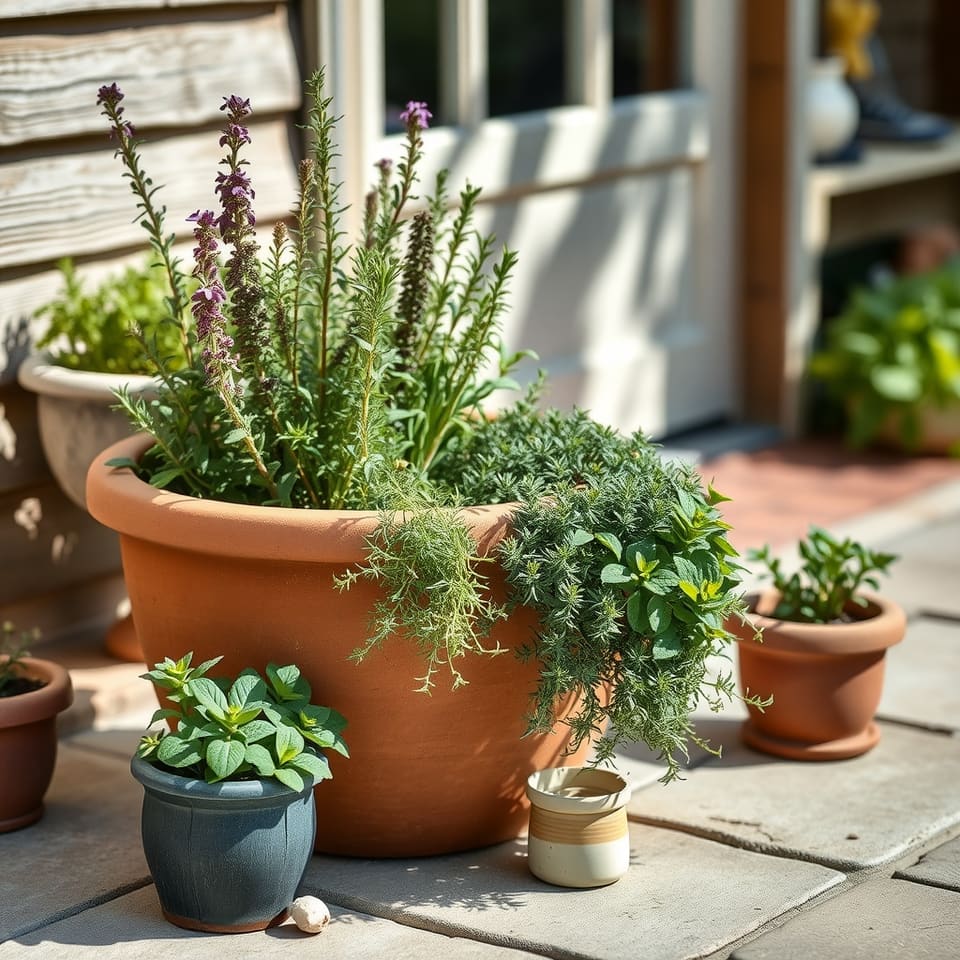
The sunny, dry-soil group. The Royal Horticultural Society (RHS) notes that sage, thyme, rosemary, marjoram or oregano and winter savory all like the same growing conditions, which makes them ideal partners in one container. These herbs come from hot, dry places around the Mediterranean and dislike waterlogged roots.
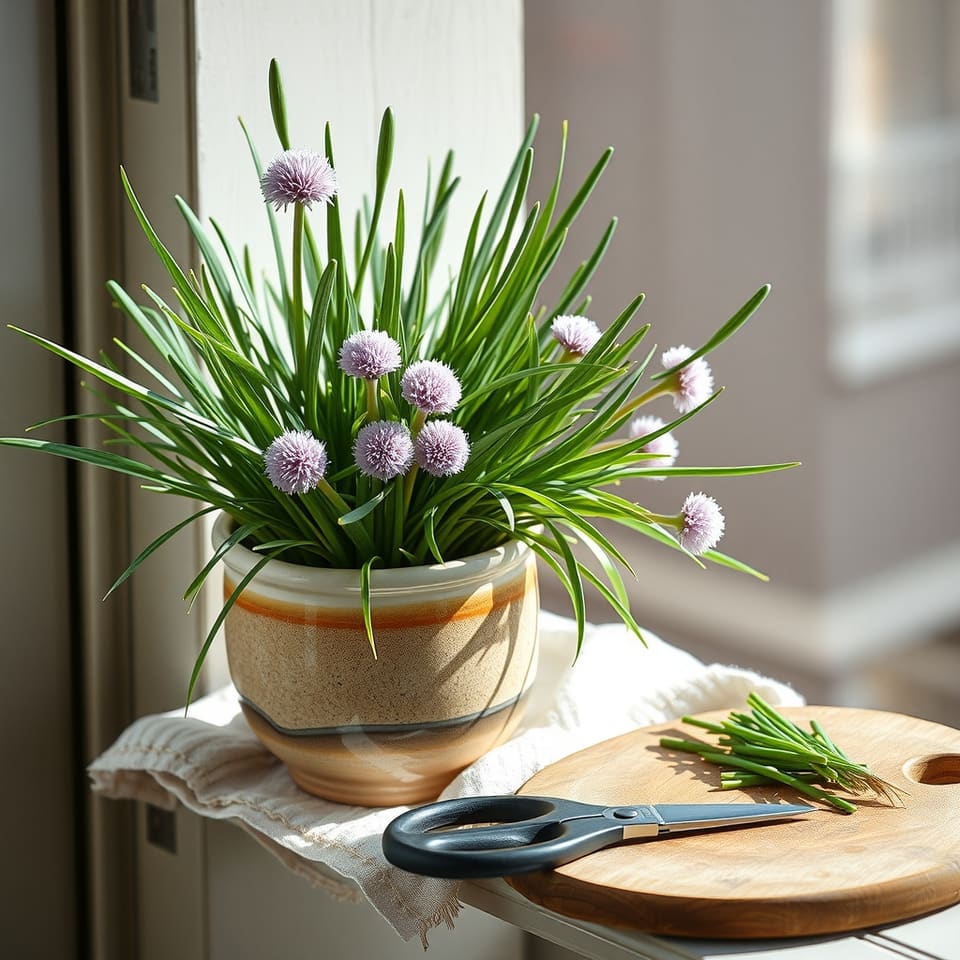
The leafy, moister group. Colorado State lists parsley and chives among the herbs that prefer more moisture than sage, rosemary and thyme. Dill, chervil and cilantro, the leaf used in many Mexican, Indian and Southeast Asian dishes, fit the same group. Basil, beloved from Italy to Thailand, belongs to the mint family but is an annual, and Clemson notes that annual herbs in particular need extra soil moisture for best growth.
Colorado State also suggests some themed mixes: thyme, sage and tarragon as a kitchen pot, a scented pot of mint, scented geranium and lemon balm, or one container planted with several kinds of sage.
Herbs to keep apart
Mint is the classic loner. Clemson Extension describes mints as vigorous growers that can become invasive if not confined, and recommends planting them in a container. In a shared pot, mint tends to crowd out its neighbors, so give it its own pot, even if that pot then sits in a bed with other herbs.
Dill and fennel should not be grown close together. Clemson warns that they can cross and produce strangely flavored seedlings.
Finally, do not overcrowd. The University of Minnesota advises spacing plants by their mature size, because crowding weakens growth, reduces air flow and raises the risk of disease. The RHS suggests about 15 to 20 cm (6 to 8 inches) between Mediterranean herbs in a container.
What the evidence says
The advice in this guide comes from horticultural bodies and university extension services, and it is based on what each plant needs to grow well. It is practical gardening guidance rather than the result of controlled trials.
You will find many companion planting charts online claiming that certain herbs help or harm each other. The sources we checked do not support those charts, so we have left them out. The two clear warnings they do give are to contain mint and to keep dill away from fennel.
Questions people ask
Can basil and rosemary share a pot?
It is not ideal. Basil is an annual that needs more moisture, while rosemary prefers drier soil. They do better in separate pots side by side.
Why does mint need its own pot?
Mint is a vigorous spreader. In a shared pot or open bed it can take over and crowd out other herbs.
How many herbs can I fit in one pot?
It depends on the pot. Allow about 15 to 20 cm (6 to 8 inches) between plants and plan for their full grown size rather than their size when you buy them.
Sources
- Plant a container: Mediterranean herbs — Royal Horticultural Society
- Growing Herbs in Containers — Colorado State University Extension (PlantTalk Colorado)
- Herbs — Clemson Cooperative Extension (HGIC)
- Growing herbs — University of Minnesota Extension
This article is for general information only and is not medical advice. Herbs can interact with medicines and health conditions. Talk to a doctor or pharmacist before trying a herbal remedy, especially if you are pregnant, breastfeeding, giving it to a child, or taking any medication.