Herbs From Seed vs Seedlings: Which Should You Choose?
Some herbs fill a pot from a packet of seed in a few weeks. Others are slow, unreliable or never come true from seed, and one small plant is the smarter buy. Here is a simple way to decide.
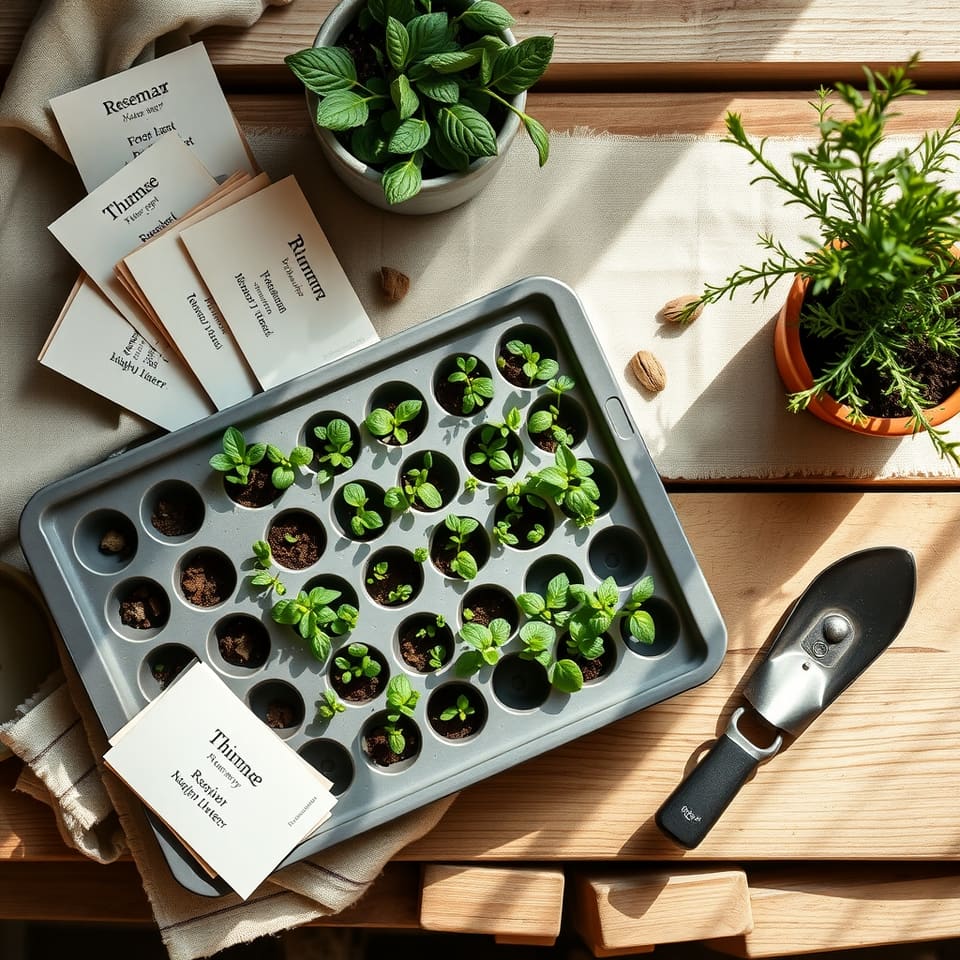
Stand in a garden center in spring and you face the same choice every herb grower does: a packet of seed for the price of a coffee, or a ready-grown pot that you can pick from next week. Neither is always right.
The short answer is that fast, leafy annual herbs are usually best from seed, while woody, long-lived herbs and a few special cases are better bought as young plants or grown from cuttings. Here is why, herb by herb.
Herbs that are easy and worthwhile from seed
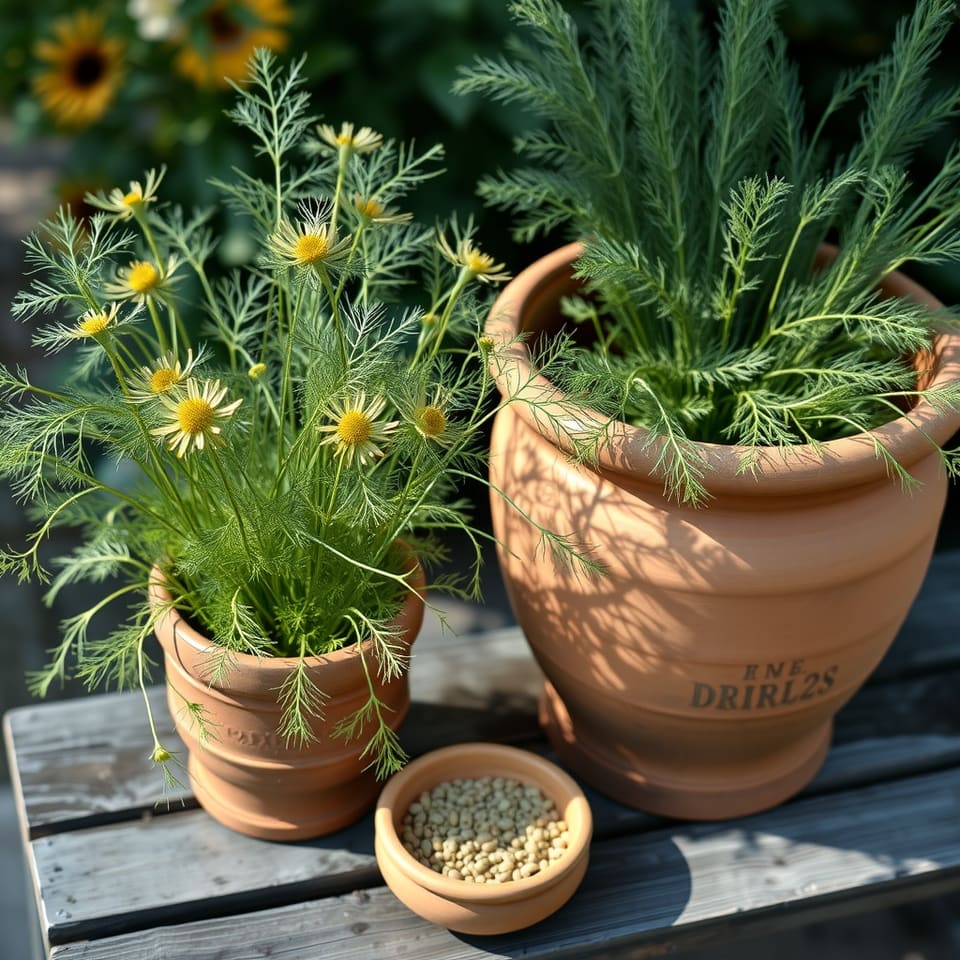
Annual herbs such as basil, cilantro (coriander) and dill grow quickly, and you often want a lot of them. The Royal Horticultural Society (RHS) suggests sowing basil, chives and parsley indoors or under glass from January to early April, and sowing chervil, coriander and dill straight into the ground outdoors from March, as soil conditions allow. Clemson University's Home and Garden Information Center also lists basil, cilantro and dill as herbs you can sow directly in the garden, and German chamomile as one to sow in early spring.
Seed has another advantage for these herbs. The RHS notes that coriander, dill and basil can bolt, meaning they rush to flower and stop making good leaves, especially when crowded or dry. The RHS suggests sowing coriander and dill about every two weeks through spring and summer, which gives you a steady supply that a single bought plant cannot.
Parsley is worth sowing but needs patience. Clemson notes that its seed is slow to germinate, so many people buy one plant to pick from while their seedlings catch up.
How to Sow a Pot of Quick Annual Herbs
You need
- pot about 20 cm (8 inches) wide, with drainage holes1
- peat-free multi-purpose compostenough to fill the pot
- seeds of basil, dill or cilantro1 pinch, about 15 to 20
- plant label1
- watering can with a fine rose, or a spray bottle1
Method
- Moisten the compost lightly before you open the bag fully, and open it away from your face, outdoors or in a well-ventilated place.
- Fill the pot to about 2 cm (1 inch) below the rim and firm it gently.
- Scatter the seeds thinly over the surface and cover them with a thin layer of compost.
- Water gently so the seeds are not washed out, label the pot and place it somewhere warm and bright.
- Keep the compost just moist, not soggy. When seedlings appear, thin them so each has room to grow, and use the thinnings in salads.
- For dill and cilantro, sow a second pot about two weeks later for a continuous supply. Wash your hands when you finish.
Tips
- The RHS suggests sowing dill and coriander directly where they will grow, so use their final pot or bed.
- For woody herbs, buy one healthy plant with a good smell and no yellow leaves, and take cuttings from it in late summer.
- Basil needs warmth. Clemson suggests sowing it outdoors only after the last frost, so in cool climates start it indoors.
When a young plant is the better buy
Woody, perennial herbs such as rosemary, sage and thyme grow slowly and live for years, and you rarely need more than one or two. The RHS lists bay, marjoram, mint, rosemary, sage, tarragon and thyme as herbs to propagate from cuttings, taken from late summer to early autumn, and oregano, mint and thyme as herbs you can divide. Clemson adds that most perennial herbs are planted out as young plants from small pots, ideally in fall or early spring.
Buying a plant also makes sense if you do not have a bright windowsill or a warm place to raise seedlings. The RHS suggests potting up young plants and keeping them warm and bright until the roots fill the pot, before planting them out.
Once you have one healthy plant, you can multiply it for free. A friend's rosemary or thyme can give you cuttings, and a clump of mint or oregano can be divided.
What the evidence says
The strongest reason to buy a plant is that some herbs do not come true from seed. Clemson notes that mint seed does not come true to type, so mint is best grown from cuttings, roots or young plants. If you love a particular peppermint or spearmint, a piece of that plant is the only way to be sure you get the same flavor.
French tarragon is the classic example. The RHS says it is shy to flower and set seed, so its seed is generally not sold. Packets labeled tarragon usually contain Russian tarragon, a larger, tougher plant with a grassier, slightly bitter flavor. The RHS suggests buying French tarragon in person so you can smell it first, and propagating it by division.
For annual herbs, seed is usually the cheaper route to a large harvest, but it takes more time and care in the early weeks.
Questions people ask
Is it cheaper to grow herbs from seed?
For annual herbs you use in large amounts, such as basil, dill and cilantro, seed is usually far cheaper. For a single rosemary or sage plant, buying one is simpler and faster.
Can I grow rosemary or thyme from seed?
Some people do, but these woody herbs are slow. The RHS lists them among herbs that are propagated from cuttings, which is quicker and gives you a copy of the parent plant.
Why does my tarragon taste of nothing?
If you grew it from seed, it is almost certainly Russian tarragon, which has a much milder, grassier flavor than French tarragon.
Sources
- Growing herbs — Royal Horticultural Society
- Herbs — Clemson Cooperative Extension, Home and Garden Information Center
- How to grow tarragon — Royal Horticultural Society
- Minimising health risks in the garden — Royal Horticultural Society
This article is for general information only and is not medical advice. Herbs can interact with medicines and health conditions. Talk to a doctor or pharmacist before trying a herbal remedy, especially if you are pregnant, breastfeeding, giving it to a child, or taking any medication.