Herbal Teas Around the World: 8 Traditions
Many cultures have a plant they steep in hot water. Here are eight herbal tea traditions from around the world, with the facts behind each cup and the cautions worth knowing.
For a very long time, people have poured hot water over the plants that grew around them. Some of those drinks stayed local. Others have traveled far beyond the places where they began.
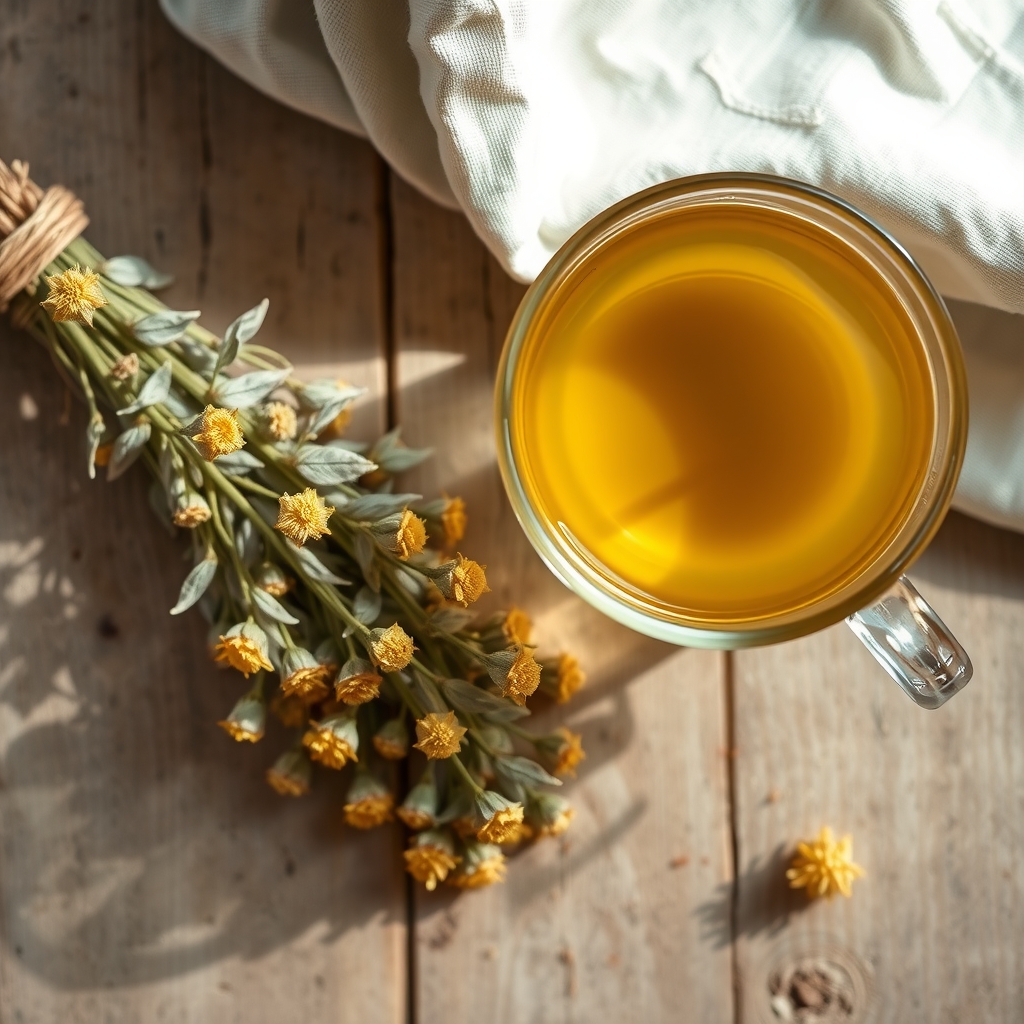
Strictly speaking, none of them is tea. True tea comes from one plant, Camellia sinensis, originally from China. Harvard Health points out that herbal teas are infusions of other dried plant parts, such as fruits, flowers, spices or herbs. Here are eight traditions worth knowing, with what the evidence and safety advice say about each.
Africa: rooibos and hibiscus
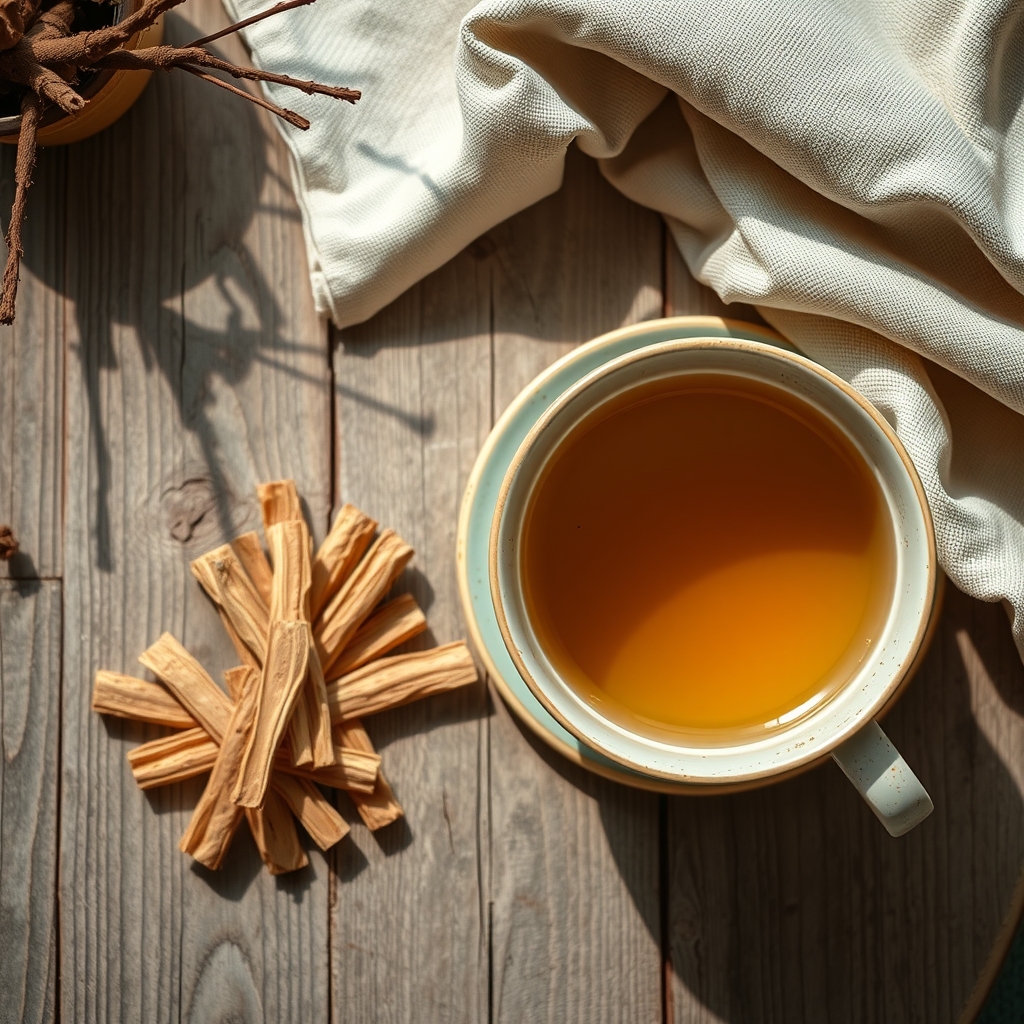
1. Rooibos, South Africa. Rooibos, also called red bush or bush tea, comes from Aspalathus linearis, a shrub from South Africa.
2. Hibiscus, from West Africa to the Caribbean. Tea hibiscus, Hibiscus sabdariffa, also called roselle or flor de Jamaica, is a tropical plant from Africa and Southeast Asia. The part used is the bright red calyx, the cup at the base of the flower, not the petals. In Nigeria it is made into a drink called zobo, and in the Caribbean into one called sorrel. Harvard Health describes the taste as refreshing yet tart.
Hibiscus and Ginger Cup
You need
- water500 ml (2 cups)
- dried hibiscus calyces2 tbsp
- thin slices of fresh ginger3 to 4
- small strip of orange peel, optional1
- honey, optional, for adults and children over 12 months1 tsp
Method
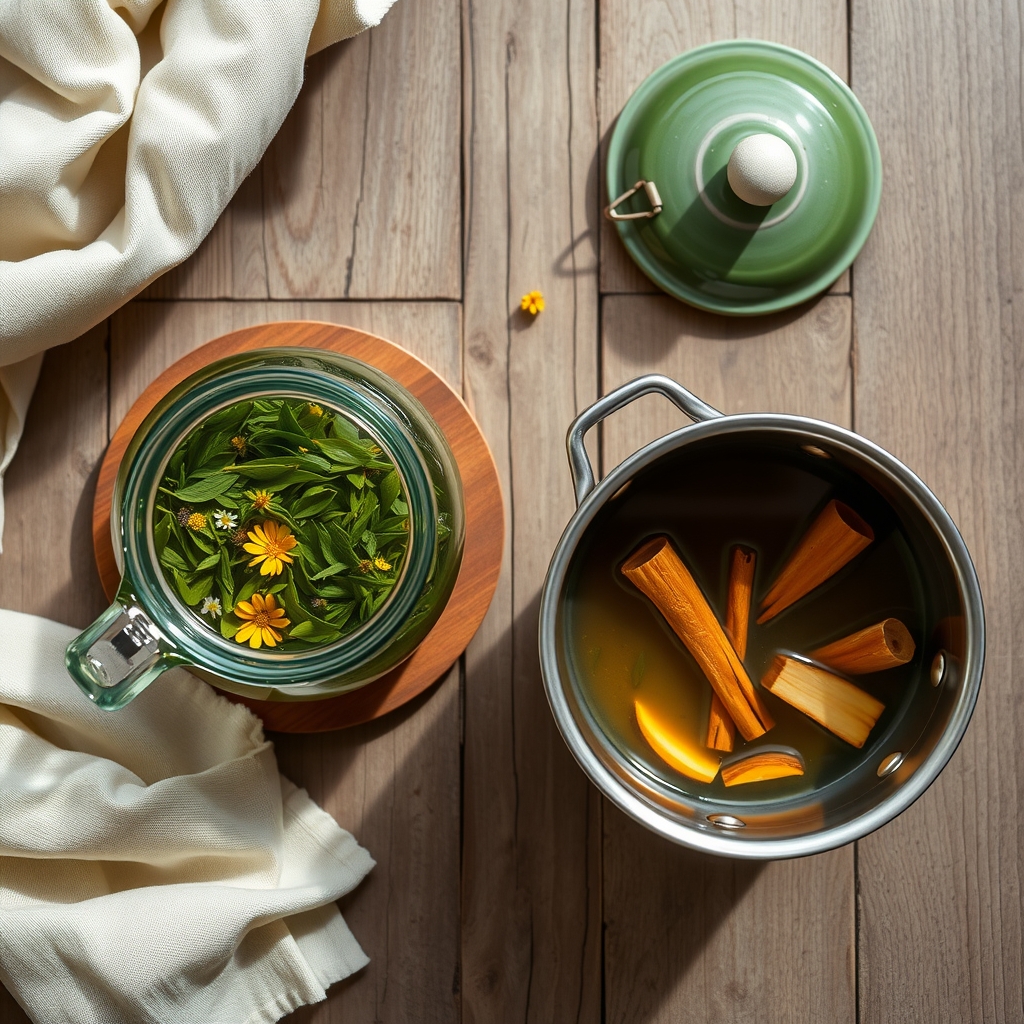
- Bring the water to a boil with the ginger slices and orange peel, then turn off the heat.
- Add the hibiscus, cover and steep for 5 to 10 minutes, until the tea is a deep ruby red.
- Strain into two mugs and stir in honey if you like.
- Let it cool to a comfortable sipping temperature before drinking, or chill it and serve over ice.
Tips
- Hibiscus stains cups and wooden surfaces, so rinse them soon after use.
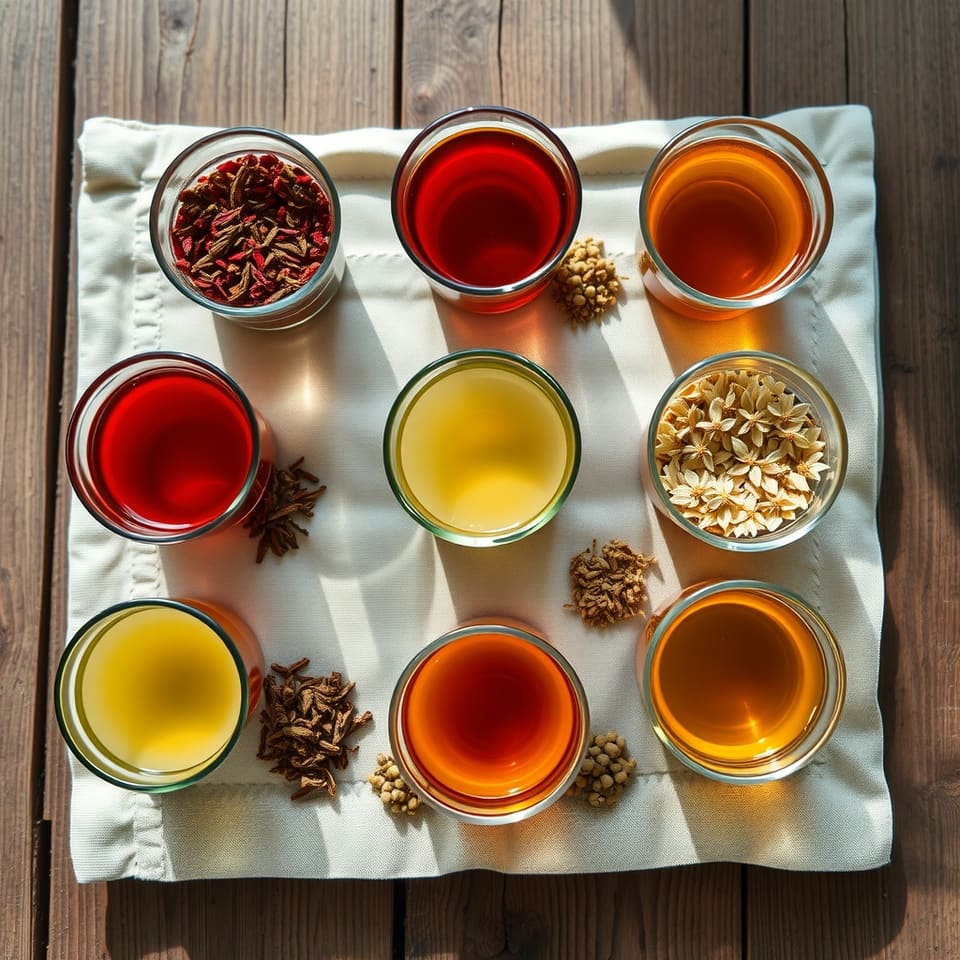
- For a tasting evening, brew small cups of rooibos, lemongrass and chamomile alongside and compare.
- Taste before sweetening. You may need less honey than you expect.
The Americas: mate and bee balm
3. Yerba mate, South America. Mate is made from the leaves of Ilex paraguariensis, a plant native to South America, and a hot version called chimarrão is widely drunk across South America. Unlike most herbal teas, it is a stimulant: Memorial Sloan Kettering lists caffeine, theophylline and theobromine as the compounds behind its effect.
4. Bee balm, North America. Monarda didyma, also known as Oswego tea, is a native North American plant used by Native Americans and later by colonists. Its scent is often compared to bergamot, the citrus used to flavor Earl Grey tea. Colonists also brewed other local substitutes, such as New Jersey tea. Taxes on imported tea were what led to the Boston Tea Party in December 1773.
Asia, the Mediterranean and beyond
5. Lemongrass, tropical Asia and Africa. Lemongrass (Cymbopogon citratus) is widespread in tropical parts of Africa and Asia and is a common flavoring in Asian cooking. MSK notes that its dried leaves are brewed into tea, and that one of its common names is fever grass.
6. Mediterranean garden herbs. Sage, rosemary and thyme from the Mediterranean, along with mints such as peppermint and spearmint, are classic garden teas, and colonists in North America brewed them too. A handful of fresh or dried leaves in hot water is one of the simplest herbal teas there is.
7. Chamomile. Chamomile tea is made from the flowers of a plant in the daisy family, Asteraceae, and Harvard Health notes that people have used it since ancient times.
8. Ginger. Ginger tea has a spicy, full-bodied flavor. Harvard Health notes that ginger has been used as an herbal medicine, though there is little research on ginger tea itself.
What the evidence says
Most of these drinks are better studied as traditions than as medicines. MSK says human studies of lemongrass are limited, and clinical studies found lemongrass tea did not reduce anxiety. Human studies of mate are limited too. Harvard Health reports a study linking hibiscus tea to lower blood pressure, but no herbal tea should replace medical treatment.
Harvard also warns that some drinks sold as herbal tea are little more than sugary juice. Plain, unsweetened infusions are the closest to the traditions above.
Questions people ask
Which herbal teas are caffeine free?
Harvard Health notes that herbal teas usually contain no tea leaves. Yerba mate is the big exception among the teas here: it contains caffeine and related stimulants. If caffeine matters to you, read the label of any blend, as some mix herbs with real tea.
Is herbal tea really tea?
Not technically. True tea comes from the Camellia sinensis plant. Herbal teas are infusions of other plants, usually with no tea leaves at all.
What is the difference between zobo and sorrel?
Both are drinks made from the red calyces of the same hibiscus plant. Zobo is the Nigerian name and sorrel is the Caribbean one.
Sources
- The health benefits of 3 herbal teas — Harvard Health Publishing
- Mate (About Herbs) — Memorial Sloan Kettering Cancer Center
- Lemongrass (About Herbs) — Memorial Sloan Kettering Cancer Center
This article is for general information only and is not medical advice. Herbs can interact with medicines and health conditions. Talk to a doctor or pharmacist before trying a herbal remedy, especially if you are pregnant, breastfeeding, giving it to a child, or taking any medication.