Herbal Tea and High Blood Pressure: Herbs to Watch
Most herbal teas are fine with high blood pressure, but a few herbs can push it up or interfere with your medicine. Here is which ones to watch, and why no tea can replace your treatment.
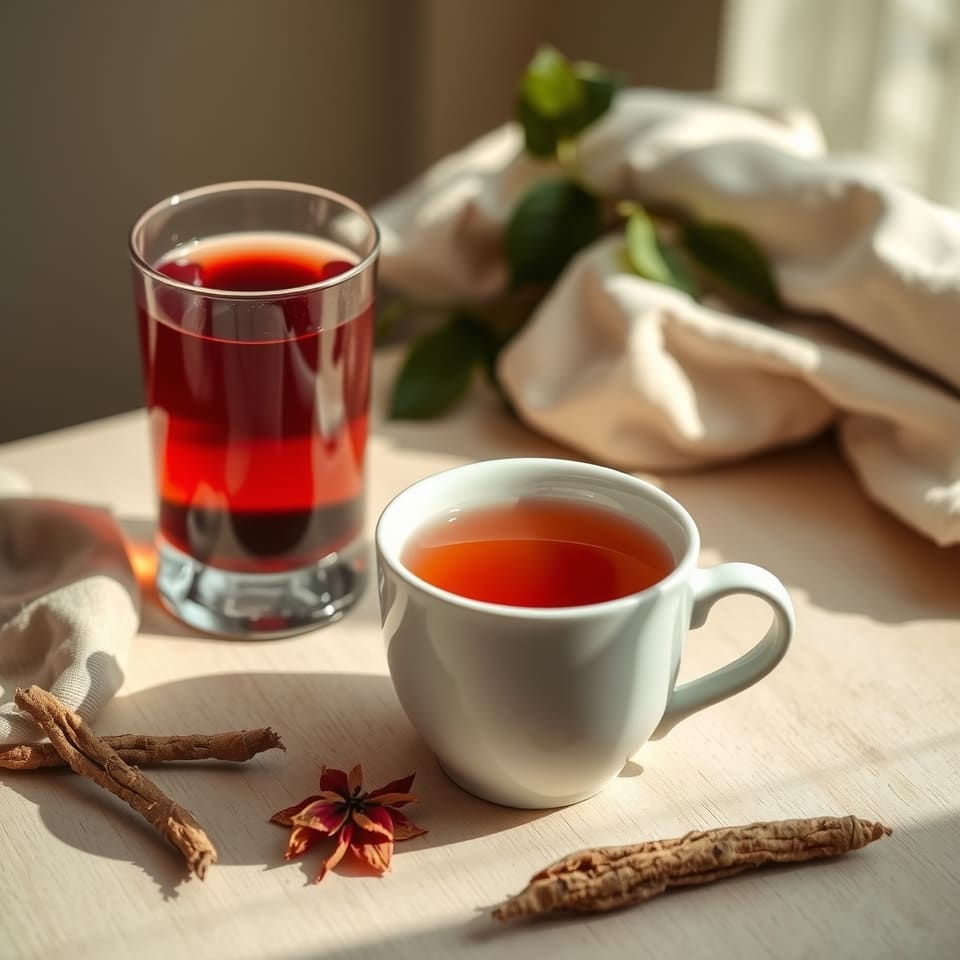
Many people with high blood pressure, in every part of the world, enjoy herbal tea every day. Most everyday herbal teas are not on the lists of herbs known to raise blood pressure.
A small number of herbs are different. Some can raise blood pressure, and some may interfere with blood pressure medicines. Others are often promoted for lowering it, with much weaker evidence than the headlines suggest. If you have high blood pressure, here is what to know before you fill your cup.
Herbs that may raise blood pressure
NCCIH lists bitter orange, ephedra, ginseng and licorice root as herbs that may raise blood pressure. Mayo Clinic adds arnica and guarana to its list of herbal supplements that may raise blood pressure or interfere with blood pressure medicines.
Licorice root deserves special attention because it is added to some tea blends for its natural sweet taste. It contains glycyrrhizin, which NCCIH says can cause serious effects, including an irregular heartbeat. In people with high blood pressure or with heart or kidney conditions, even small amounts have caused severe effects. A salty diet raises the risk further. Deglycyrrhizinated licorice has the glycyrrhizin removed.
Caffeine can also matter. Mayo Clinic notes that it can cause a short-term rise in blood pressure, especially in people who do not usually have it, and the NHS advises people with high blood pressure to limit high-caffeine drinks such as coffee, tea and cola. Check whether your herbal blend contains green or black tea or guarana.
What the evidence says
You may read that hibiscus (also called roselle) tea, drunk in Mexico, Egypt, West Africa and the Caribbean, can lower blood pressure. NCCIH lists roselle, along with cocoa, garlic, flaxseed, fish oil, probiotics and green or black tea, as having some evidence of a blood pressure benefit. But it describes that evidence as limited and the effects as small.
Most importantly, NCCIH states that no dietary supplement has been shown to have effects comparable to the medicines used to treat high blood pressure. A tea can be a pleasant part of a healthy routine. It is not a treatment, and it should never take the place of the medicine your doctor has prescribed.
Medicines, tea and safety
NCCIH warns that some dietary supplements may interact in harmful ways with medicines, including blood pressure medicines. That is why it advises telling your health care provider about every supplement you take or are thinking of taking, and not replacing prescribed treatment with an unproven product.
It is also worth knowing that some cold and flu remedies matter here. Mayo Clinic explains that decongestants such as pseudoephedrine and phenylephrine can raise blood pressure. Ask your pharmacist which cold products are safe for you.
Enjoying herbal tea safely, step by step
Step 1: Keep taking your blood pressure medicine exactly as prescribed. Never stop or reduce it because you have started a tea or supplement.
Step 2: Read the ingredients of every blend. Avoid licorice root unless your doctor agrees, and note any green or black tea or guarana.
Step 3: Skip supplements with bitter orange, ephedra, ginseng or guarana unless your doctor has approved them.
Step 4: Before trying hibiscus or any tea for your blood pressure, tell your doctor or pharmacist, and keep taking your medicine.
Step 5: If you check your blood pressure at home, note any new tea or supplement you start, and share the readings with your doctor. The NHS treats a home reading of 135/85 or higher as high.
Questions people ask
Can hibiscus tea replace my blood pressure tablets?
No. The evidence for hibiscus is limited and its effect is small. NCCIH says no supplement has been shown to work as well as blood pressure medicines. Keep taking your treatment and talk to your doctor.
Is chamomile or mint tea safe with high blood pressure?
Neither is on the lists of herbs known to raise blood pressure from NCCIH or Mayo Clinic. If you take several medicines, mention any daily tea to your pharmacist.
What about deglycyrrhizinated licorice?
It has the glycyrrhizin removed, and NCCIH says products of this type taken by mouth might be safe for up to 4 months. Check the label carefully and ask your doctor first if you have high blood pressure.
Sources
This article is for general information only and is not medical advice. Herbs can interact with medicines and health conditions. Talk to a doctor or pharmacist before trying a herbal remedy, especially if you are pregnant, breastfeeding, giving it to a child, or taking any medication.