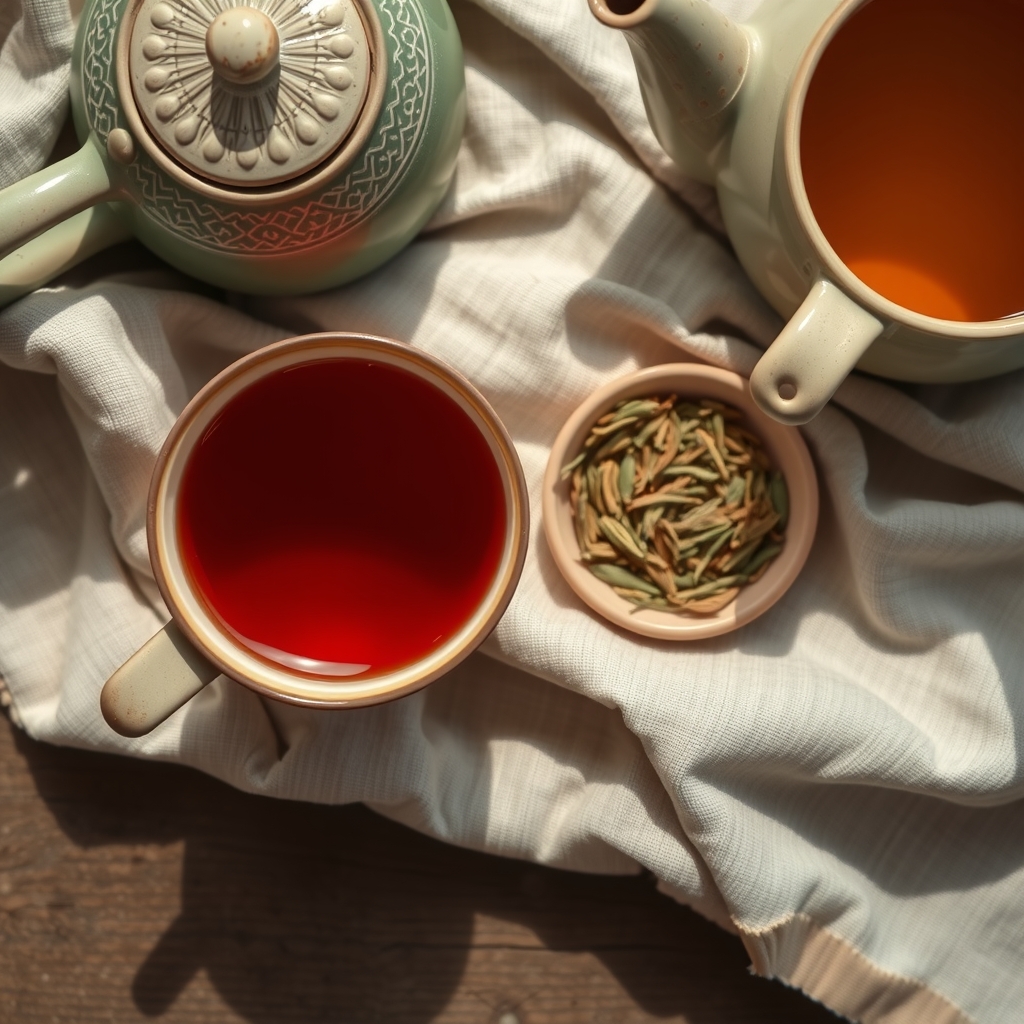
Does Green Tea Reduce Appetite? An Honest Review
Green tea is everywhere in diet advice, but the evidence for curbing appetite is thin. Here is an honest look at what is known, plus how to brew a pleasant cup and when extracts can be risky.
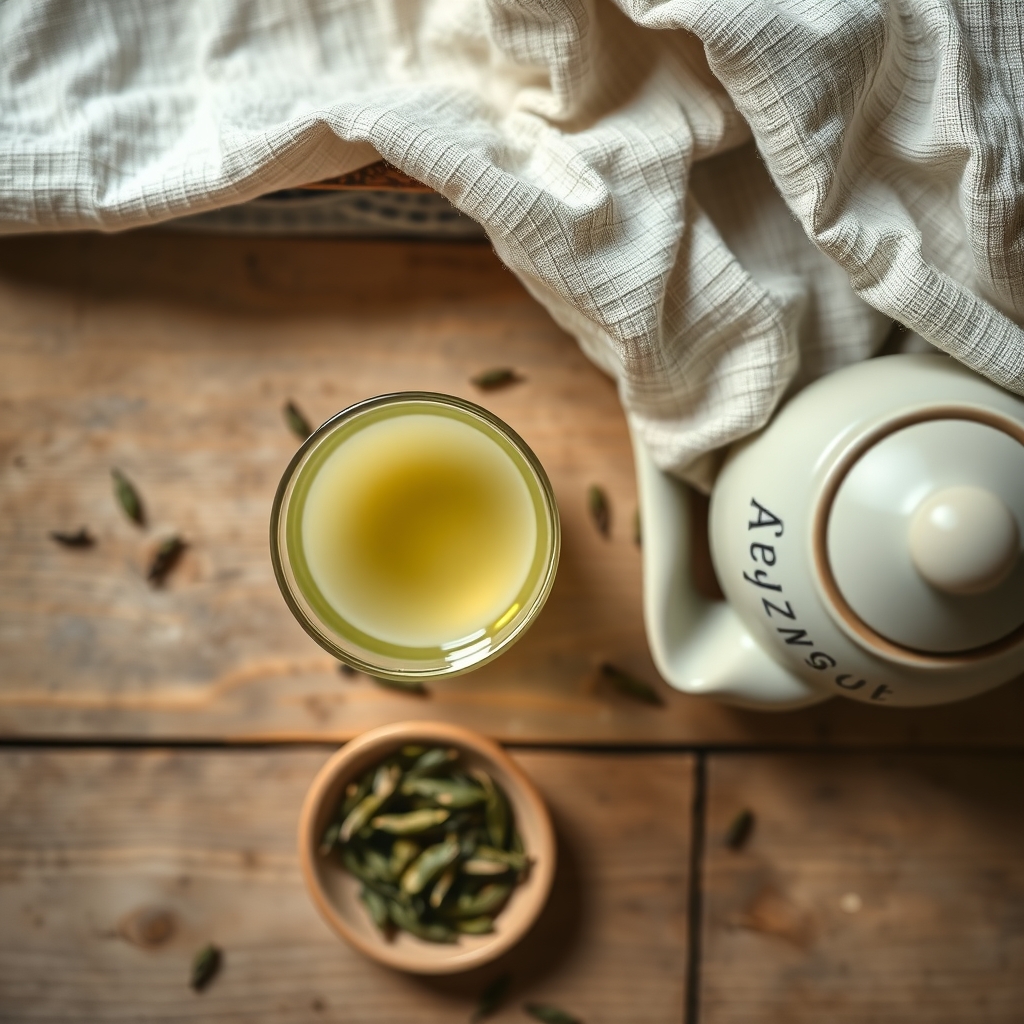
Green tea has a reputation as the diet drink. You will see it in lists of foods that curb hunger and in many supplements sold for weight control. It is a lovely, gentle drink, so it is worth knowing which parts of that reputation hold up.
The short answer is that there is little good evidence that green tea reduces appetite. Most research looks at body weight instead, and even there the effect is small. Below you will find what the studies say, how much caffeine you are drinking, and why green tea extract pills are a different matter from a cup of tea.
Why people link green tea to appetite
Green tea contains caffeine and natural compounds called catechins, the best known being EGCG. The Office of Dietary Supplements (ODS) at the US National Institutes of Health notes that these two ingredients are the ones linked to possible effects on weight.
From there, many websites jump to the idea that green tea makes you less hungry. That is a leap. The main reviews focus on weight change, not on hunger or fullness, and they do not show that green tea switches off appetite.
A Gentle Cup of Green Tea
You need
- loose green tea leaves, or 1 tea bag1 tsp (about 2 g)
- water, heated to about 75 to 80 °C (167 to 176 °F)250 ml (1 cup)
- thin slice of lemon or a few mint leaves, optional1
Method
- Bring the water to a boil, then let it stand for 2 to 3 minutes so it cools a little. Very hot water can make green tea bitter.
- Put the leaves in a small teapot or an infuser in your cup.
- Pour the water over and steep for 2 to 3 minutes.
- Strain or remove the infuser, add lemon or mint if you like, and sip slowly.
Tips
- Taste at 2 minutes. A longer steep gives a stronger, more bitter cup and a little more caffeine.
- Skip the sugar. A plain cup is light and refreshing on its own.
- Enjoy it with or after a meal rather than on a very empty stomach if tea tends to upset you.
What the evidence says
NCCIH, part of the National Institutes of Health, says the catechins and caffeine in green tea may have a modest effect on body weight, and that results may vary. ODS describes a large Cochrane review that found a small average difference compared with placebo, and no significant difference in studies done outside Japan.
ODS also reports that the European Food Safety Authority concluded a cause and effect relationship had not been established, and that any effect is small and unlikely to matter in practice. Overall, NCCIH says firm conclusions cannot yet be reached for most uses of green tea.
So the honest summary is this: green tea is not a proven appetite suppressant. If a warm, unsweetened cup between meals helps you pause and feel satisfied, that is a habit worth keeping, but it is the habit rather than a special effect of the tea.
Caffeine: how much is in a cup
Mayo Clinic lists about 29 mg of caffeine in 237 ml (8 fl oz) of brewed green tea. That compares with about 48 mg for black tea and about 96 mg for brewed coffee. The real amount varies with the tea and how long you brew it.
That makes green tea a moderate choice, but caffeine still adds up across several cups. If you are sensitive to it, have trouble sleeping, or are pregnant, keep track of your total for the day and avoid late cups.
Why extracts are different
NCCIH reports that no safety concerns have been reported for green tea drunk as a beverage by adults. Concentrated green tea extracts in tablets or capsules are another story. Liver injury has been reported in some people who used these products, and NCCIH notes that a particular gene variant may make some people more susceptible.
ODS adds that problems seem more likely when extracts are taken on an empty stomach. This page is about brewing tea, not taking pills, and we do not recommend green tea extract supplements for appetite.
Questions people ask
Does drinking green tea before meals make you eat less?
There is no good evidence for this. Research on green tea mainly looks at weight, and the effect there is small and uncertain.
How many cups of green tea a day are okay?
NCCIH reports no safety concerns for green tea as a drink in adults. The main thing to watch is your total caffeine from all sources, and how well you sleep.
Is green tea extract stronger for appetite?
Extracts are more concentrated, but that does not make them proven for appetite. Extract pills carry a risk of liver injury, so avoid them unless your doctor approves.
Sources
- Green Tea — NCCIH
- Dietary Supplements for Weight Loss: Fact Sheet for Health Professionals — NIH Office of Dietary Supplements
- Caffeine content for coffee, tea, soda and more — Mayo Clinic
This article is for general information only and is not medical advice. Herbs can interact with medicines and health conditions. Talk to a doctor or pharmacist before trying a herbal remedy, especially if you are pregnant, breastfeeding, giving it to a child, or taking any medication.