Rooibos Tea: Caffeine Facts and How to Brew It
A smooth, naturally sweet red tea from South Africa that suits any time of day. Here is how to brew it well and what to know first.
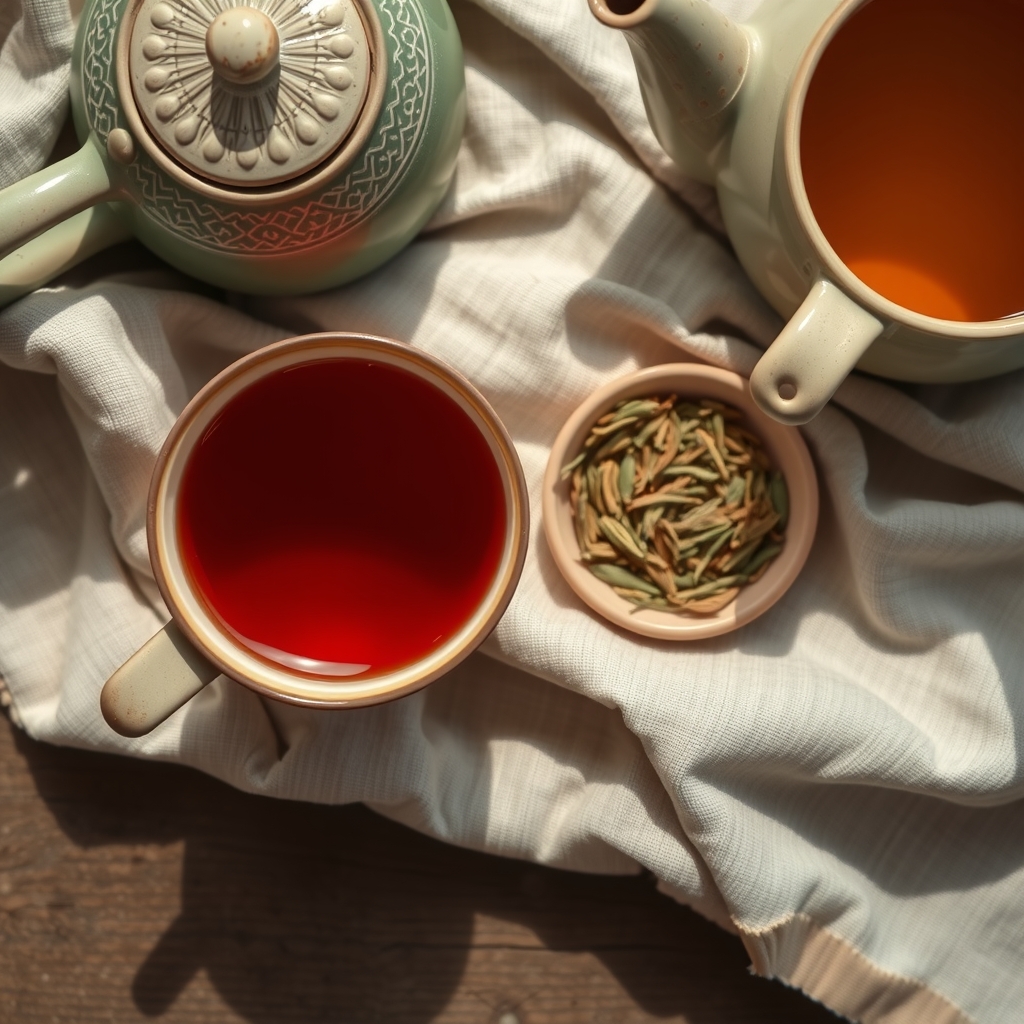
Rooibos, also called redbush tea, comes from the needle-like leaves of a South African shrub. It brews into a warm amber-red cup with a smooth, slightly sweet, honeyed flavor.
Because it does not come from the tea plant used for black and green tea, many people reach for it when they want a comforting cup without the caffeine buzz. Here is how it compares, how to brew it, and what to keep in mind.
Rooibos is simple to make and hard to get wrong, which makes it a good everyday cup for the whole household to share in the afternoon or after dinner.
How much caffeine is in rooibos?
Memorial Sloan Kettering describes rooibos as low in caffeine, and Harvard Health notes that many herbal teas contain minimal caffeine, if any.
By comparison, Mayo Clinic lists about 48 mg of caffeine in a 237 ml (8 oz) cup of brewed black tea, and the NHS uses a figure of 75 mg for a cup of black or green tea. That makes rooibos an easy swap in the afternoon or evening.
Check the label on blends, though. Some products mix rooibos with black or green tea, which adds caffeine back in.
Classic Cup of Rooibos
You need
- freshly boiled water250 ml (1 cup)
- loose rooibos leaves2-3 g (about 1 heaped teaspoon)
- milk or plant milk (optional)a splash
Method
- Bring the water to a full boil, at 100°C (212°F).
- Put the rooibos in a teapot or infuser and pour over the water.
- Steep for 5 to 7 minutes, longer if you like it strong.
- Strain, add milk if you like, and serve.
Tips
- For iced rooibos, brew double strength, cool, then pour over ice.
- A cinnamon stick or a strip of orange peel in the pot adds warmth.
- Store loose rooibos in an airtight container away from light.
What the evidence says
Rooibos contains plant compounds that show antioxidant activity in lab studies, but it lacks the catechins found in green and black tea. Studies in people are very limited.
Preliminary research in healthy volunteers suggests rooibos may affect an enzyme involved in blood pressure control, but more research is needed before drawing any conclusions. Enjoy rooibos as a pleasant drink, not a health treatment.
Hot, iced or milky
Rooibos is forgiving to brew. It holds up well to a long steep and tends not to turn harsh the way black tea can.
It also takes a splash of milk well, and chilled rooibos with a slice of orange makes an easy iced tea.
Loose rooibos is very fine, so use a small-mesh strainer or infuser. If you prefer a lighter cup, shorten the steep to 3 or 4 minutes rather than using less tea, which keeps the flavor rounded.
Questions people ask
Is rooibos completely caffeine-free?
It is described as low in caffeine, and herbal teas generally contain little if any. Blends that include black or green tea will contain more, so check the ingredients.
Can I drink rooibos every day?
Most people enjoy a few cups a day. Very large daily amounts have been linked to rare liver problems, so keep your intake moderate and check with your doctor if you take regular medicines.
Is rooibos safe in pregnancy?
There is little research on herbal teas in pregnancy. The NHS advises limiting herbal tea to 4 cups a day. Ask your midwife if you are unsure.
Sources
- Rooibos Tea — Memorial Sloan Kettering Cancer Center (About Herbs)
- Which is healthier: Coffee or tea? — Harvard Health Publishing
- Caffeine content for coffee, tea, soda and more — Mayo Clinic
- Foods to avoid in pregnancy — NHS
This article is for general information only and is not medical advice. Herbs can interact with medicines and health conditions. Talk to a doctor or pharmacist before trying a herbal remedy, especially if you are pregnant, breastfeeding, giving it to a child, or taking any medication.