Garcinia Cambogia: Why We Don't Recommend It
Garcinia cambogia is one of the best-known appetite supplements. We do not recommend it: the benefit looks small or absent, and there are reports of liver injury, some of them severe.
Most articles on HerbSip share a simple drink you can make at home. This one is different. Garcinia cambogia is a popular supplement sold for appetite control and weight loss, and we want to explain clearly why we do not recommend it.
In short, the evidence that it helps is weak and mixed, while there are numerous reports of liver damage in people taking garcinia products. When a supplement offers little proven benefit and carries a rare but serious risk, the balance is not in its favor.
What garcinia cambogia is
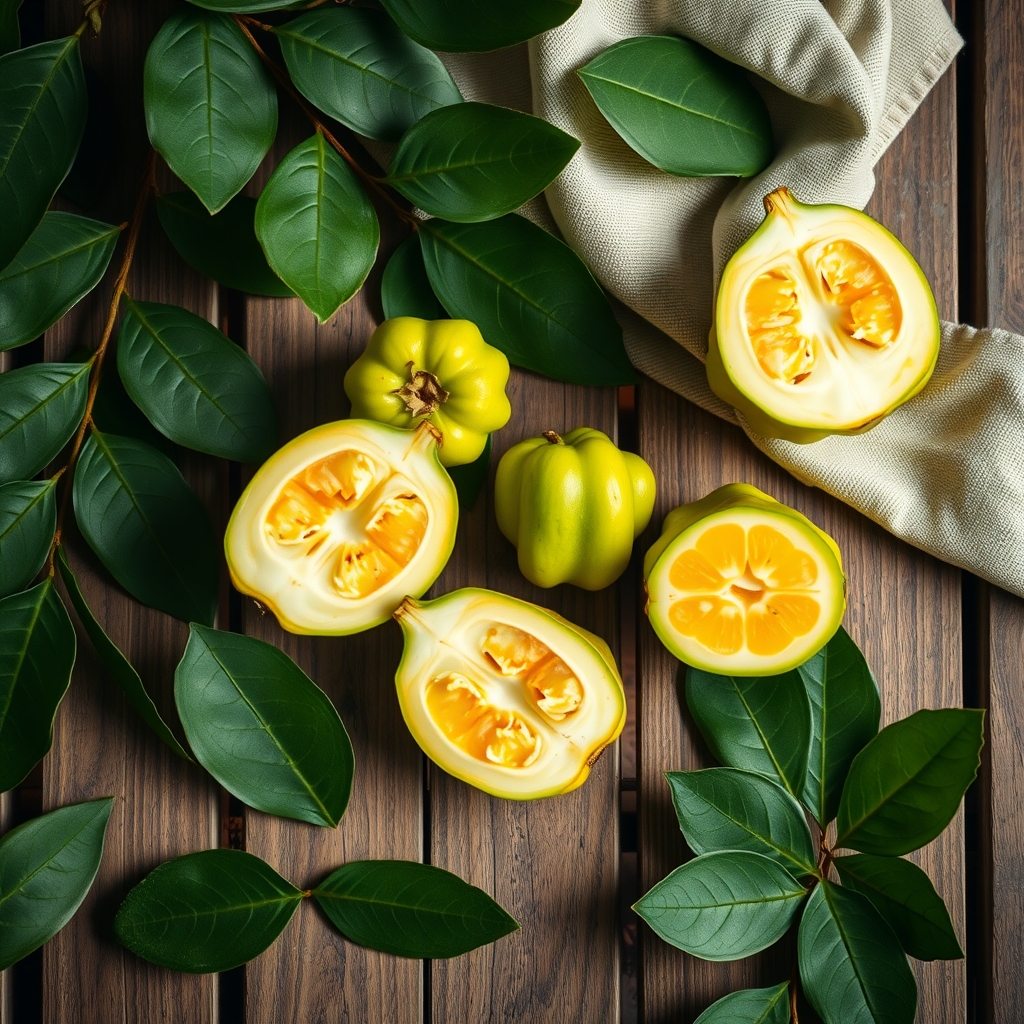
Garcinia cambogia is a tree whose small fruit grows in parts of Asia, Africa and the Polynesian islands. The fruit rind contains hydroxycitric acid, often shortened to HCA, which is the ingredient supplement makers focus on.
HCA has been promoted as a way to curb appetite and reduce weight gain. Products are sold as capsules, powders and multi-ingredient blends, often with bold claims on the label. In the US, dietary supplements do not need review or approval by the FDA before they are sold, so those claims are not checked in advance.
What the evidence says
The US National Center for Complementary and Integrative Health says it is unclear whether garcinia cambogia products help with weight loss. Some studies suggest a modest effect, while others find none.
The NIH Office of Dietary Supplements describes conflicting human results. In one 12-week trial, the extract did not change appetite and showed no sign of making people feel fuller. In another, the difference from a placebo was not statistically significant. A 2011 analysis of several trials found a very small difference overall, which disappeared when only the most rigorous trials were included.
So the one thing garcinia is sold for, feeling less hungry, is exactly what the research has not been able to show reliably.
The liver injury reports
NCCIH says garcinia cambogia products may be unsafe, and that several cases of liver damage have been reported, some of them severe. It adds that this appears to be uncommon.
LiverTox, the US National Institutes of Health database on drug-induced liver injury, lists garcinia cambogia as a likely rare cause of clinically apparent liver injury. Many early cases involved multi-ingredient products, but more recent ones involved products labeled as containing garcinia alone. Injury usually appeared within 1 to 4 weeks of starting, though sometimes after months. Most people recovered within 1 to 3 months of stopping, but some severe cases led to urgent liver transplant or death.
The Office of Dietary Supplements also mentions a few reported cases of mania linked to garcinia-containing supplements, and NCCIH notes possible interactions with medicines that affect the liver or serotonin, such as some antidepressants. Long-term safety is unknown because all trials have been short.
Gentler steps if appetite is your concern
If you are struggling with hunger or evening snacking, start with a conversation with your doctor, especially if you have diabetes, take medication, or have a history of disordered eating. They can check for medical causes and help you find an approach that suits you.
Simple habits carry no liver risk: regular meals, a glass of water with food, and a clear end-of-dinner routine. They will not work miracles, but neither will any capsule. If you already take a garcinia product, do not ignore warning signs, and tell your doctor or pharmacist what you are using.
Questions people ask
Does garcinia cambogia reduce appetite?
The research has not shown this reliably. In one trial it did not change appetite or fullness, and overall results are mixed or show no clear effect.
Is liver damage from garcinia common?
It appears to be uncommon, but some cases have been severe, including liver transplants and deaths. Because the benefit is so uncertain, we do not think the risk is worth taking.
Is eating the fruit in food the same as taking the supplement?
No. The sour rind is traditionally used as a spice and flavoring, for example in fish curries. The liver injury reports involve supplement products, which is what this guide is about.
Sources
- Garcinia Cambogia: Usefulness and Safety — NCCIH
- Dietary Supplements for Weight Loss - Health Professional Fact Sheet — NIH Office of Dietary Supplements
- Garcinia Cambogia — LiverTox, National Library of Medicine
This article is for general information only and is not medical advice. Herbs can interact with medicines and health conditions. Talk to a doctor or pharmacist before trying a herbal remedy, especially if you are pregnant, breastfeeding, giving it to a child, or taking any medication.