Eleuthero (Siberian Ginseng) Tea: What to Know
Eleuthero is a traditional root tonic for tiredness and weakness. The evidence in people is thin, but European regulators accept a short course of the tea as a traditional remedy. Here is how to use it sensibly.
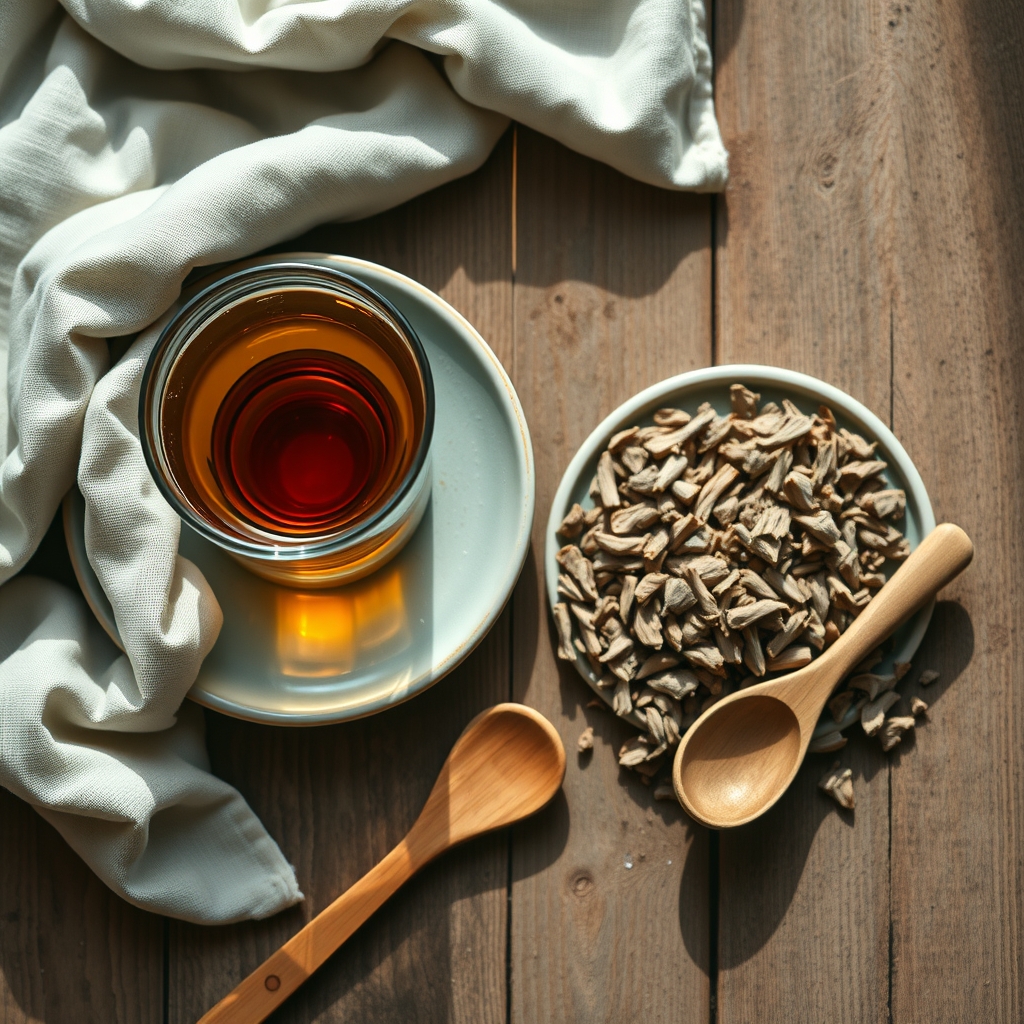
Eleuthero is a shrub whose scientific name is Eleutherococcus senticosus. You may see it sold as Siberian ginseng or Russian ginseng, but despite the name it is not a true ginseng. It is a different plant altogether. The part used is the root.
It has a long history as a tonic, a herb taken to help the body cope with tiredness and strain. This guide explains where that reputation comes from, how much of it is backed by research, how to brew a simple root tea, and the cautions that matter.
Traditional use
Eleuthero is listed among the herbs of traditional Chinese medicine, and it has long been taken as a tonic. It is often described as an adaptogen, a loose term for herbs believed to help the body handle physical or mental stress, and it has also been used to try to improve performance.
Today it is promoted for stamina, strength, general immunity and preventing colds. Memorial Sloan Kettering Cancer Center notes that these uses are not well studied in people.
Eleuthero Root Tea
You need
- dried, chopped eleuthero root1-2 g (about 1/2 to 1 teaspoon)
- freshly boiled water150 ml (about 2/3 cup)
- lemon or a little honey, to taste1 slice (optional)
Method
- Bring fresh water to a boil.
- Put the chopped root in a cup or small teapot and pour the boiling water over it.
- Cover and steep for 10 to 15 minutes, then strain.
- Drink it in the morning or early afternoon. The European monograph allows a total of 0.5 to 4 g of root a day, split into one to three cups; start at the low end.
- Do not use it for more than 2 months in a row.
Tips
- The taste is mild, woody and slightly sweet. A slice of lemon brightens it.
- Store the dried root in an airtight jar away from light and heat.
- If you are still tired after 2 weeks of use, stop and see a doctor rather than continuing.
What the evidence says
The evidence is limited. Memorial Sloan Kettering describes human studies as quite limited, with most of the anti-fatigue findings coming from animal research. There is no solid evidence that it prevents colds or flu.
The European Medicines Agency recognizes eleuthero root as a traditional herbal medicine for symptoms of asthenia, meaning feelings of tiredness and weakness, in adults and adolescents over 12. This is based on long-standing use, not on proof from clinical trials. The agency notes that the studies it reviewed suggested a possible effect but had design problems that prevent firm conclusions.
In plain terms: a short course of eleuthero tea is a traditional option some people like, but it is not a proven energy booster, and it is no substitute for finding out why you are tired.
Cautions and interactions
Side effects listed by the European Medicines Agency include trouble sleeping, irritability, a fast heartbeat and headaches. Because of the sleep effect, it is best taken in the morning or early afternoon.
Eleuthero may raise blood levels of digoxin, a heart medicine, and can also distort digoxin blood test results. Lab studies suggest it might affect how the liver handles some other medicines, although whether this matters in people is not known. Tell your doctor or pharmacist if you take any regular medicine.
It is not recommended during pregnancy or breastfeeding, or for children under 12, because safety has not been established.
Questions people ask
Is Siberian ginseng the same as ginseng?
No. Eleuthero is a different plant from Asian ginseng and American ginseng. The name is a marketing label, so read labels carefully.
How long can I drink eleuthero tea?
The European monograph advises no more than 2 months, and suggests seeing a doctor if symptoms continue beyond 2 weeks.
Will eleuthero keep me awake?
It might. Insomnia is one of its listed side effects, so drink it earlier in the day and stop if your sleep suffers.
Sources
- Siberian Ginseng — Memorial Sloan Kettering Cancer Center
- Community herbal monograph on Eleutherococcus senticosus (Rupr. et Maxim.) Maxim., radix — European Medicines Agency
- Eleutherococci radix - herbal medicinal product — European Medicines Agency
- Tiredness and fatigue — NHS
This article is for general information only and is not medical advice. Herbs can interact with medicines and health conditions. Talk to a doctor or pharmacist before trying a herbal remedy, especially if you are pregnant, breastfeeding, giving it to a child, or taking any medication.