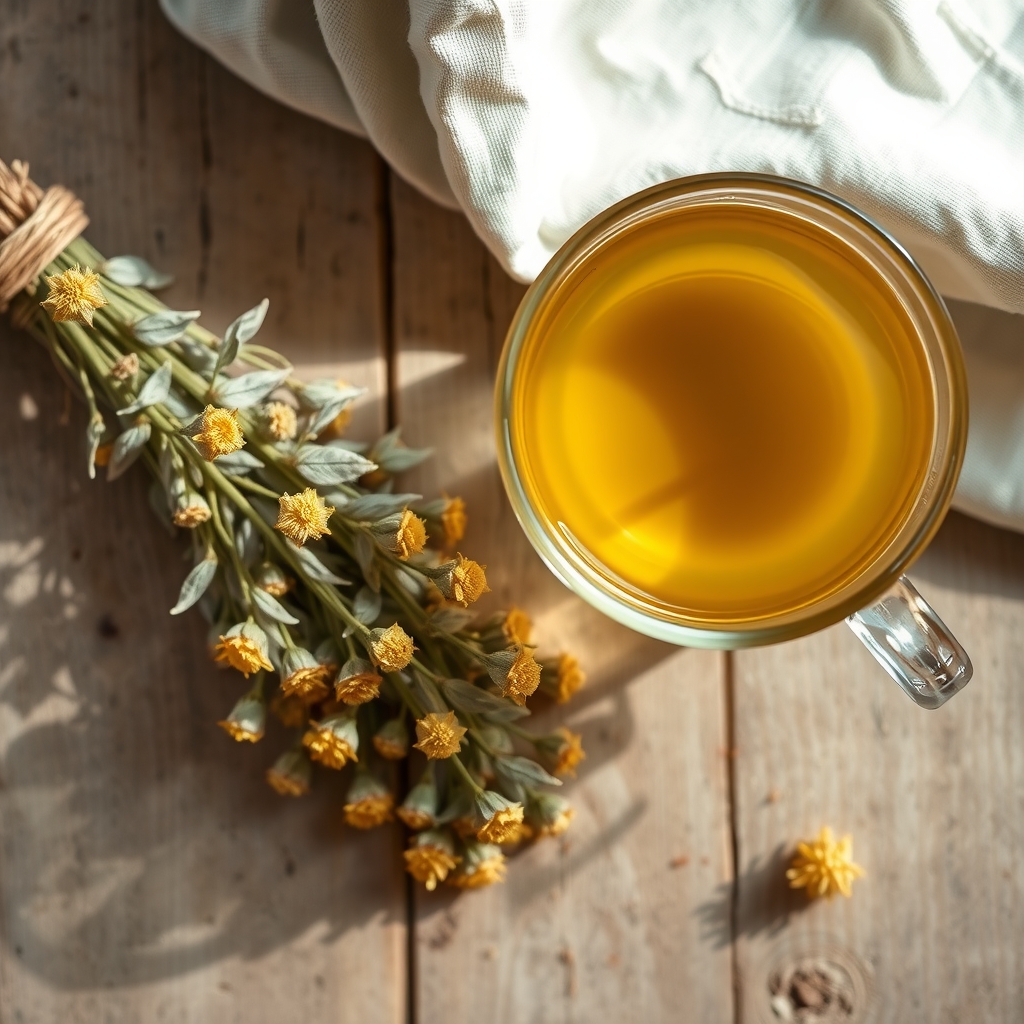
Corn Silk Tea: A Traditional Diuretic, With Care
The soft threads inside an ear of corn make a mild, sweet-grassy tea. It is traditionally used for minor urinary complaints, but proof is scarce and some people should skip it.
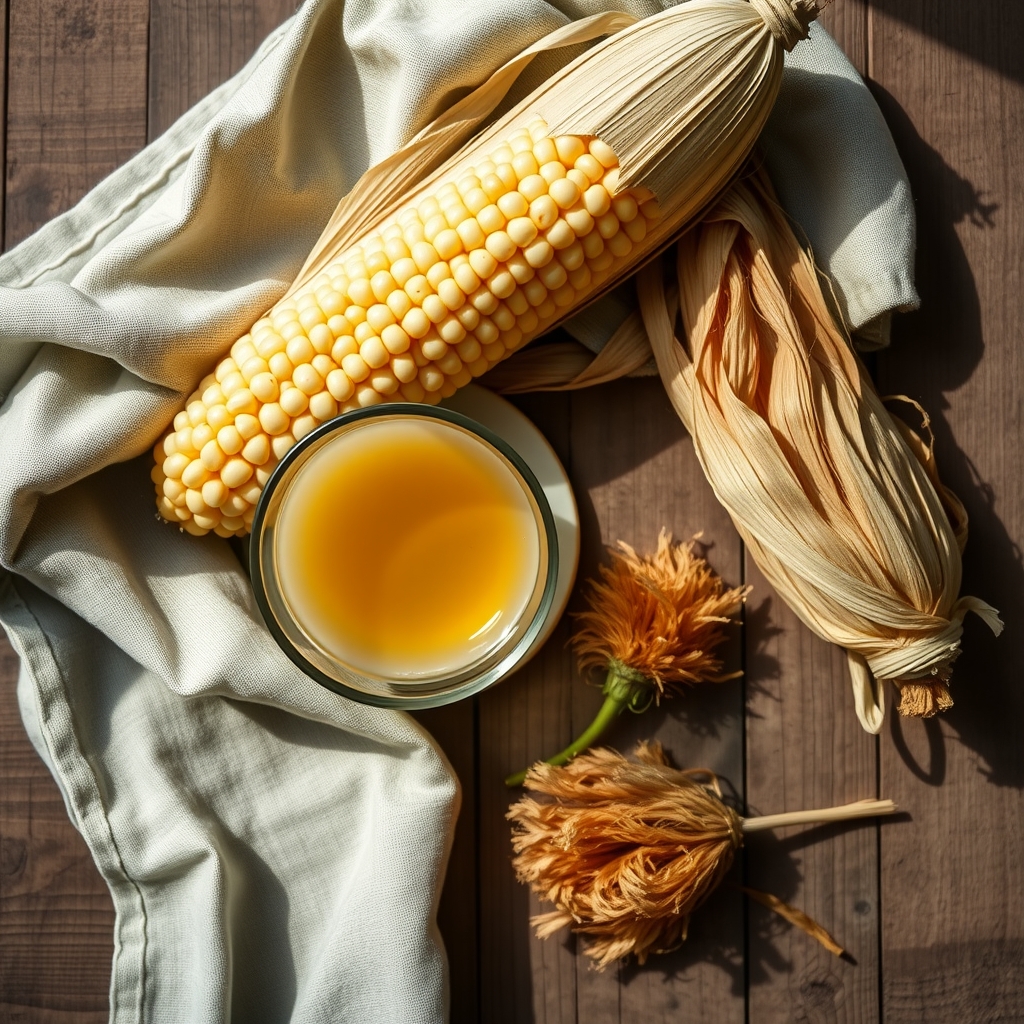
Corn silk is the tuft of fine, shiny threads you peel away from an ear of corn. Most of us throw it out, but in many parts of the world it is dried and brewed into a light, slightly sweet tea.
Its traditional reputation is as a gentle diuretic, something that makes you pee more. The European Medicines Agency (EMA) has recently drafted an official traditional-use monograph for it. Here is what that draft says, how to make the tea, and who should avoid it.
Why people use it
Corn silk has been used for long enough to soothe minor urinary complaints and increase the flow of urine that the EMA has proposed it as a traditional herbal medicine. The EMA review also notes that in Southeast Asia it is regarded as a source of potassium salts.
The EMA draft monograph proposes one traditional use: relief of symptoms of minor urinary tract complaints, together with drinking enough fluid to increase urine output. As with all traditional herbal medicines in the EU, that is based on long use, not on proof from clinical trials.
Simple Corn Silk Tea
You need
- dried corn silk, chopped2-4 g (weigh it, as it is very light)
- water200 ml (about 3/4 cup)
Method
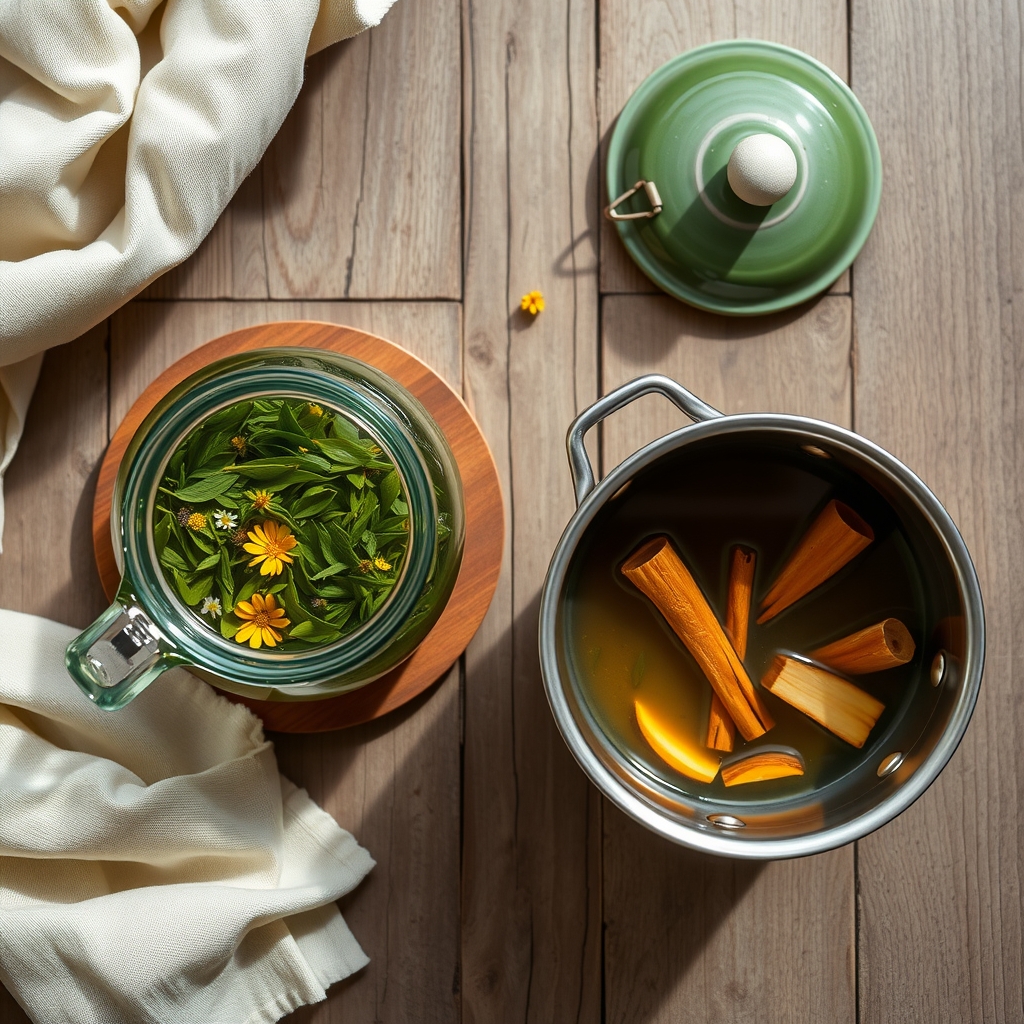
- Put the corn silk and water in a small saucepan.
- Bring to a boil and let it boil gently for 5 minutes.
- Take it off the heat, strain, and let it cool a little before drinking.
Tips
- The draft EU range for this method is 2 to 3 cups a day, taken between meals. Do not go beyond it.
- Drink it earlier in the day so it does not keep you up at night with trips to the bathroom.
- Keep drinking enough water alongside it. A diuretic tea only works as intended with adequate fluid.
- If you dry your own, use silk from fresh, clean, unsprayed corn and dry it completely before storing.
What the evidence says
The evidence is limited. The EMA draft assessment states plainly that there are no well-designed clinical trials of the diuretic effect of corn silk tea or water extracts in people. Most of the research has been in animals or in the lab.
A few small human studies have looked at blood pressure. The EMA reviewers found only limited evidence that corn silk tea, added to blood pressure medicines, might lower blood pressure a little more, and they described the studies as methodologically weak. A study in healthy volunteers found no extra benefit on blood sugar after meals.
So corn silk may help you pass more urine and is accepted as a traditional remedy for minor urinary discomfort, but it has not been shown to treat any disease. It does not burn fat, cause lasting weight loss or remove so-called toxins. Any weight change from a diuretic is water.
Safety: what is known and what is not
The EMA draft lists no known side effects and no reported drug interactions, but that mostly reflects how little it has been studied. The reviewers note there are no safety data from clinical trials in humans.
Because corn silk is used to increase urine, it makes sense to be careful if you already take medicines that affect fluid, salt or blood pressure. The limited blood pressure findings above suggest it could add to blood pressure medicines. If you take lithium, MedlinePlus asks you to tell your doctor about any herbal products and water pills, because fluid and salt balance matters for that medicine.
Corn silk is not a treatment for heart or kidney problems, or for swelling in your legs. Those need a doctor.
Questions people ask
Does corn silk tea help with weight loss?
No. It may make you pee more for a short time, which is water, not fat. There is no evidence that it helps with weight loss.
Is corn silk tea good for high blood pressure?
The evidence is weak. A few small studies hint that it might add a little to blood pressure medicines, which is also a reason to ask your doctor before using it if you take them. It is not a replacement for treatment.
Can I drink corn silk tea every day?
The traditional use is short-term, for minor urinary discomfort. If you feel you need it for more than two weeks, see a doctor to find out what is going on.
Sources
- Draft European Union herbal monograph on Zea mays L., stigma — European Medicines Agency
- Draft assessment report on Zea mays L., stigma — European Medicines Agency
- Lithium — MedlinePlus
This article is for general information only and is not medical advice. Herbs can interact with medicines and health conditions. Talk to a doctor or pharmacist before trying a herbal remedy, especially if you are pregnant, breastfeeding, giving it to a child, or taking any medication.