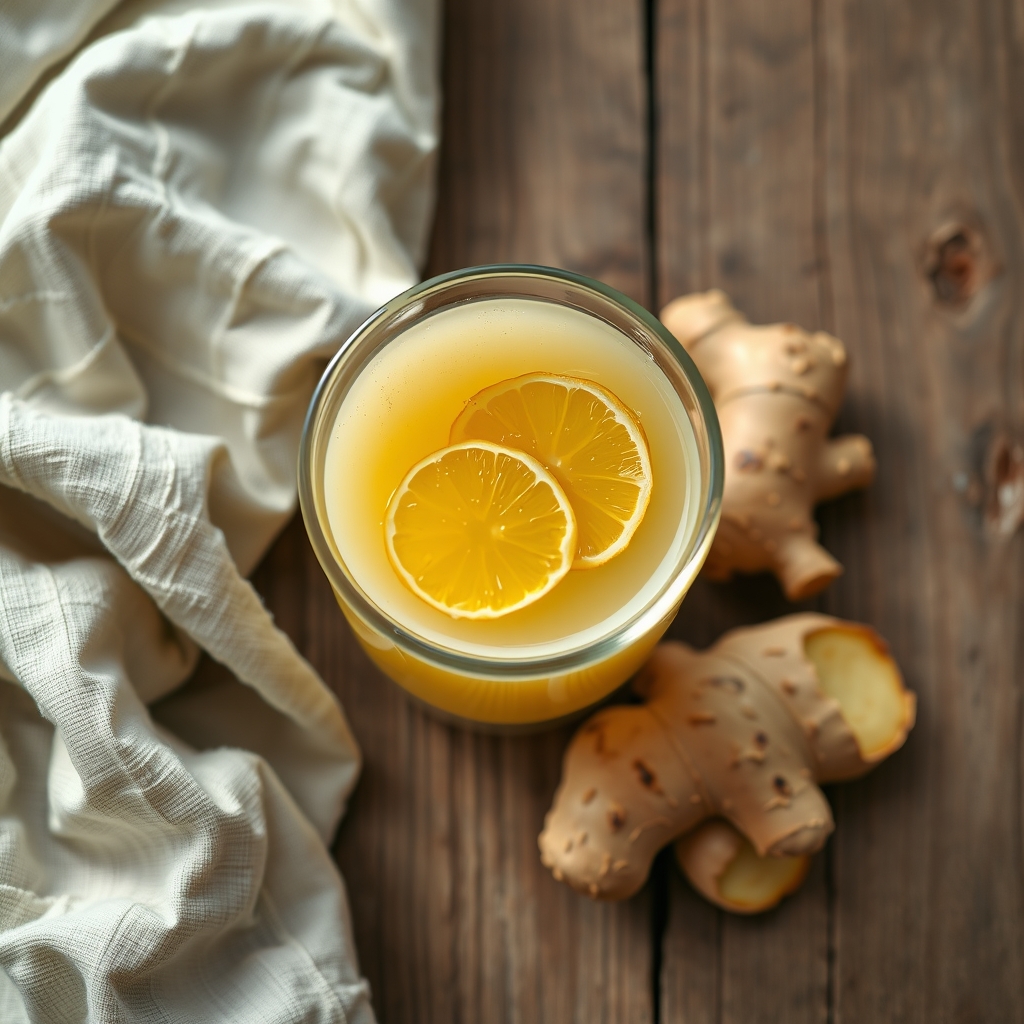
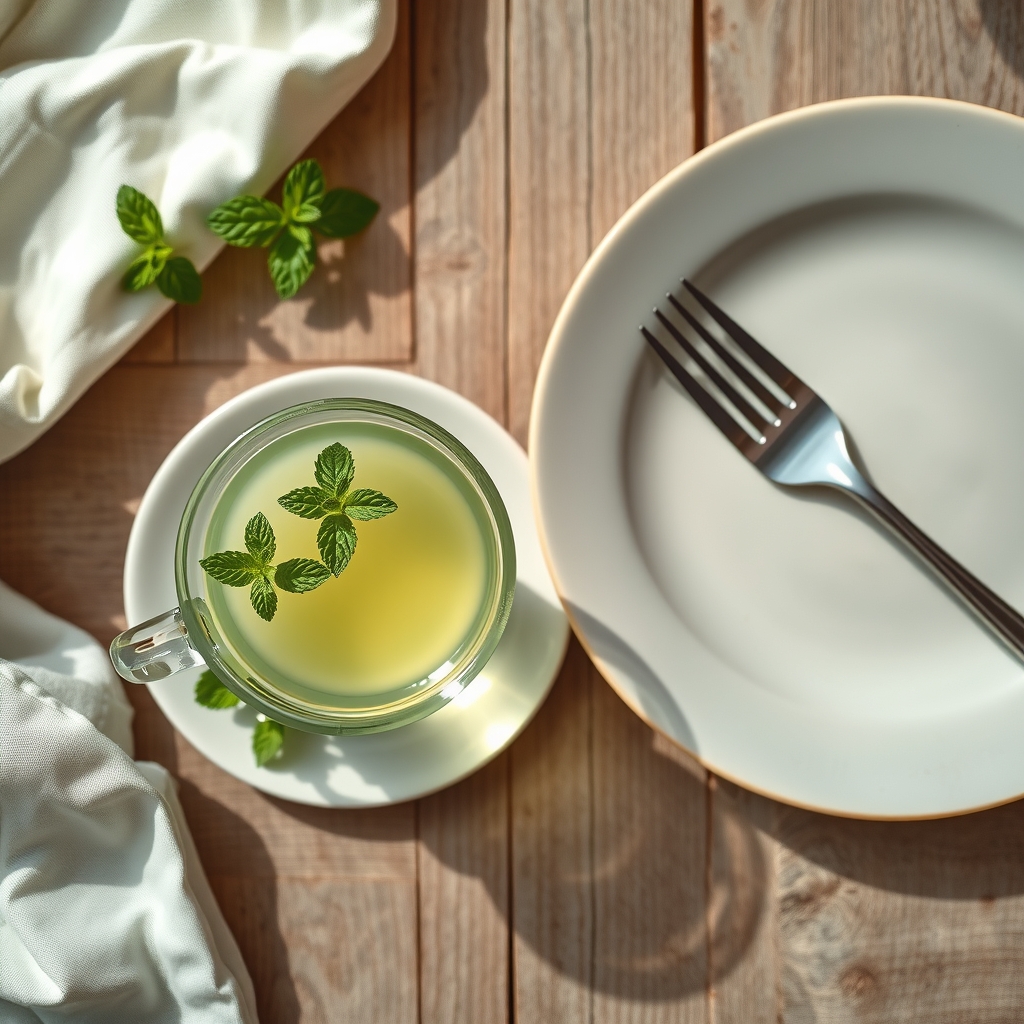
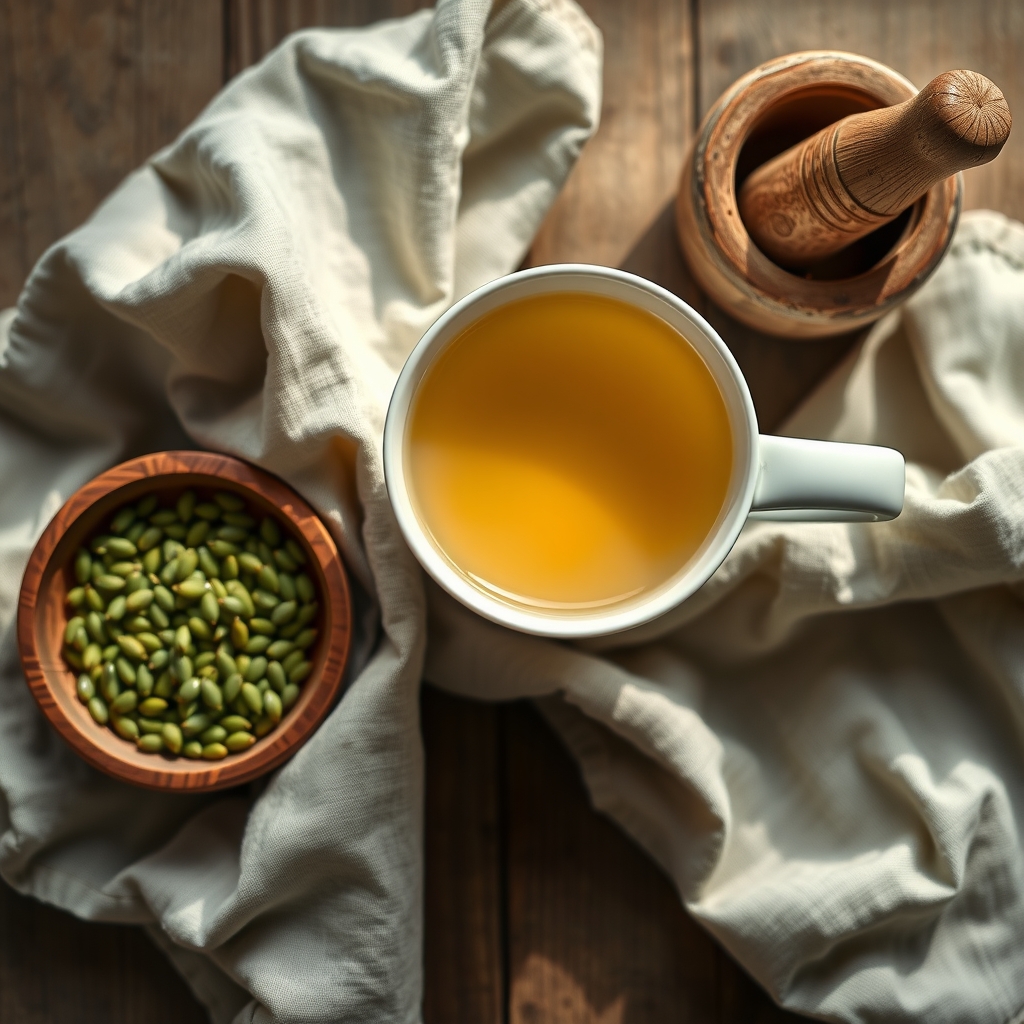
Bitter Herbs and Appetite: What Gentian Really Does
Bitter herbs such as gentian have a long tradition as before-meal drinks. Their traditional use is to stimulate a poor appetite, which surprises many people who expect them to curb hunger.
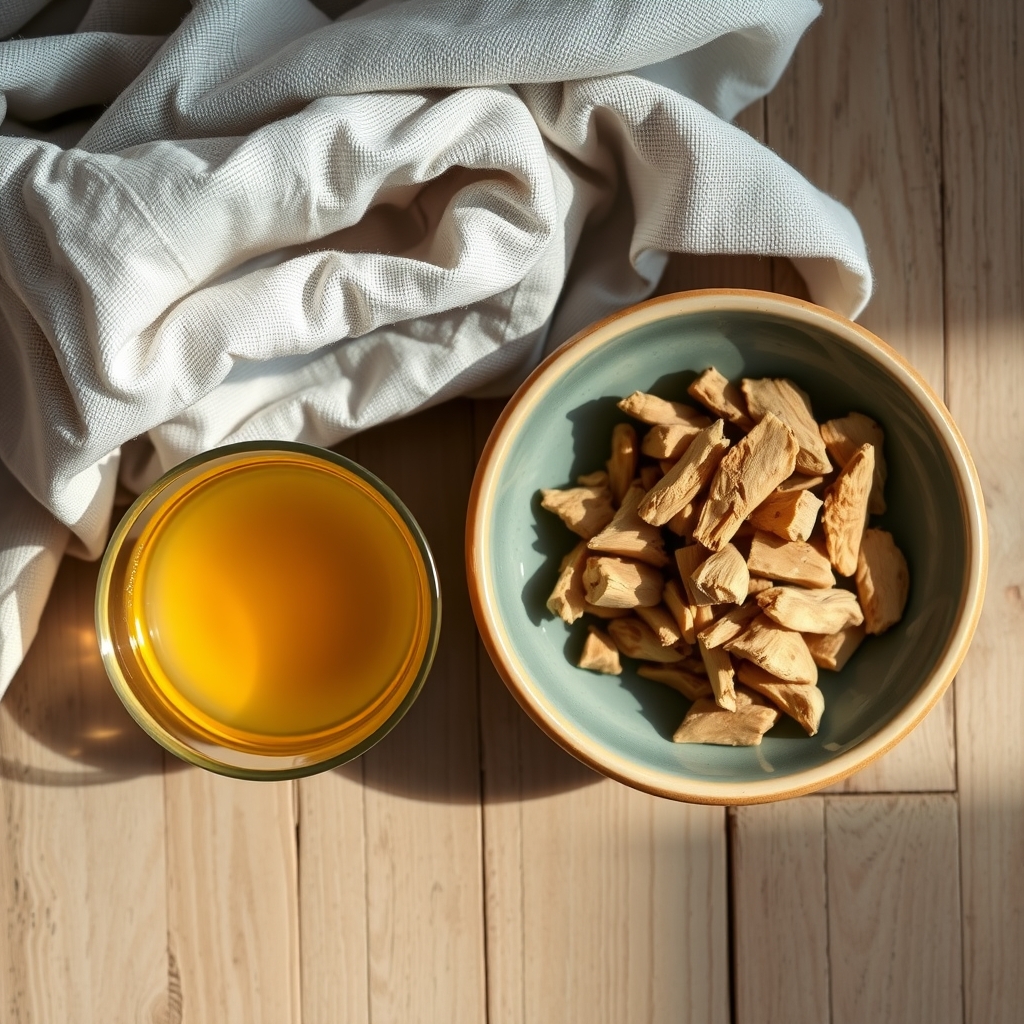
Bitter herbs have been part of European tradition for centuries. Gentian root, centaury and wormwood are among the best known, often taken as a small, very bitter drink before a meal.
Online, bitters are sometimes sold as a way to curb cravings or control appetite. The official European view says something quite different: these herbs are traditionally used for temporary loss of appetite, meaning to help a poor appetite, and for mild indigestion. This guide explains what is known, how to make a simple gentian tea, and who should avoid bitter herbs.
What bitter herbs are used for
The European Medicines Agency's herbal committee has reviewed gentian root, centaury and wormwood. For all three, it accepts two traditional uses in adults: temporary loss of appetite, and mild stomach and gut complaints such as indigestion.
For appetite, the herbs are taken about half an hour before a meal. That timing fits the traditional idea that a bitter taste helps prepare you for eating. In other words, bitters belong to the tradition of encouraging appetite, for example after an illness, not of suppressing it. If your aim is to eat less, bitter herbs are not the right tool.
Simple Gentian Root Tea Before a Meal
You need
- dried, cut gentian root1 g (weigh on a kitchen scale)
- freshly boiled water150 ml (2/3 cup)
Method
- Put the cut gentian root in a cup and pour over the freshly boiled water.
- Cover and leave to infuse for about 5 to 10 minutes, then strain.
- Let it cool to a comfortable temperature. Expect it to taste strongly bitter.
- Drink it about 30 minutes before a meal, up to 3 times a day.
- Use it for no more than 2 weeks. If your appetite is still poor, see a doctor.
Tips
- The European monograph gives a range of 0.6 to 2 g per cup. Start at the low end, as the taste is intense.
- Do not add sugar or honey if you want to keep the traditional bitter effect. Sip it slowly instead.
What the evidence says
The evidence is mostly tradition. The European Medicines Agency approved these uses because the herbs have been used safely for at least 30 years, including at least 15 years in the EU, and because an effect is plausible. It states that there is not enough clinical trial evidence.
For gentian, the agency mentions one observational study of 205 people with mild stomach and gut complaints that suggested improvement, but it had no comparison group, so no firm conclusions can be drawn. For centaury, laboratory studies suggest it may stimulate appetite and digestion, but the data are very limited and there are no clinical studies.
So it is fair to say gentian and centaury are traditionally used to help a temporarily poor appetite. It is not fair to say they are proven to work, and there is no evidence that they reduce hunger or help with weight.
Gentian, centaury and wormwood compared
Gentian root is the classic bitter. The European monograph lists no known side effects or interactions, but it is for adults only and is not recommended in pregnancy or breastfeeding because safety has not been established.
Centaury is a bitter herb with the same traditional uses. The European Medicines Agency says it should not be taken by people with stomach ulcers, and it is for adults only.
Wormwood needs the most care. It contains thujone, which is reported to be toxic to the nervous system, so products must keep thujone low. It should not be used by people with liver disease, a blocked bile duct, or an allergy to the daisy family, and it is not recommended in pregnancy. For these reasons we do not suggest making wormwood tea at home.
Questions people ask
Do bitter herbs stop sugar cravings or help you eat less?
There is no good evidence for that. Their traditional use is the opposite: to help a temporarily poor appetite before meals.
How long can I take gentian tea?
The European guidance suggests seeing a doctor if symptoms last more than 2 weeks, so treat it as a short-term drink only.
Is wormwood tea safe to make at home?
We do not recommend it. Wormwood contains thujone, which is reported to be toxic to the nervous system, and the amount in a homemade tea is hard to control.
Sources
- European Union herbal monograph on Gentiana lutea L., radix (Revision 1) — European Medicines Agency
- Gentian root: summary for the public — European Medicines Agency
- Centaury: summary for the public — European Medicines Agency
- European Union herbal monograph on Artemisia absinthium L., herba — European Medicines Agency
This article is for general information only and is not medical advice. Herbs can interact with medicines and health conditions. Talk to a doctor or pharmacist before trying a herbal remedy, especially if you are pregnant, breastfeeding, giving it to a child, or taking any medication.