Beetroot Juice and Exercise Stamina: The Evidence
Beetroot juice is one of the few food-based drinks with real exercise research behind it. The effect is modest and varies a lot, so here is an honest look before you buy a crate of beets.
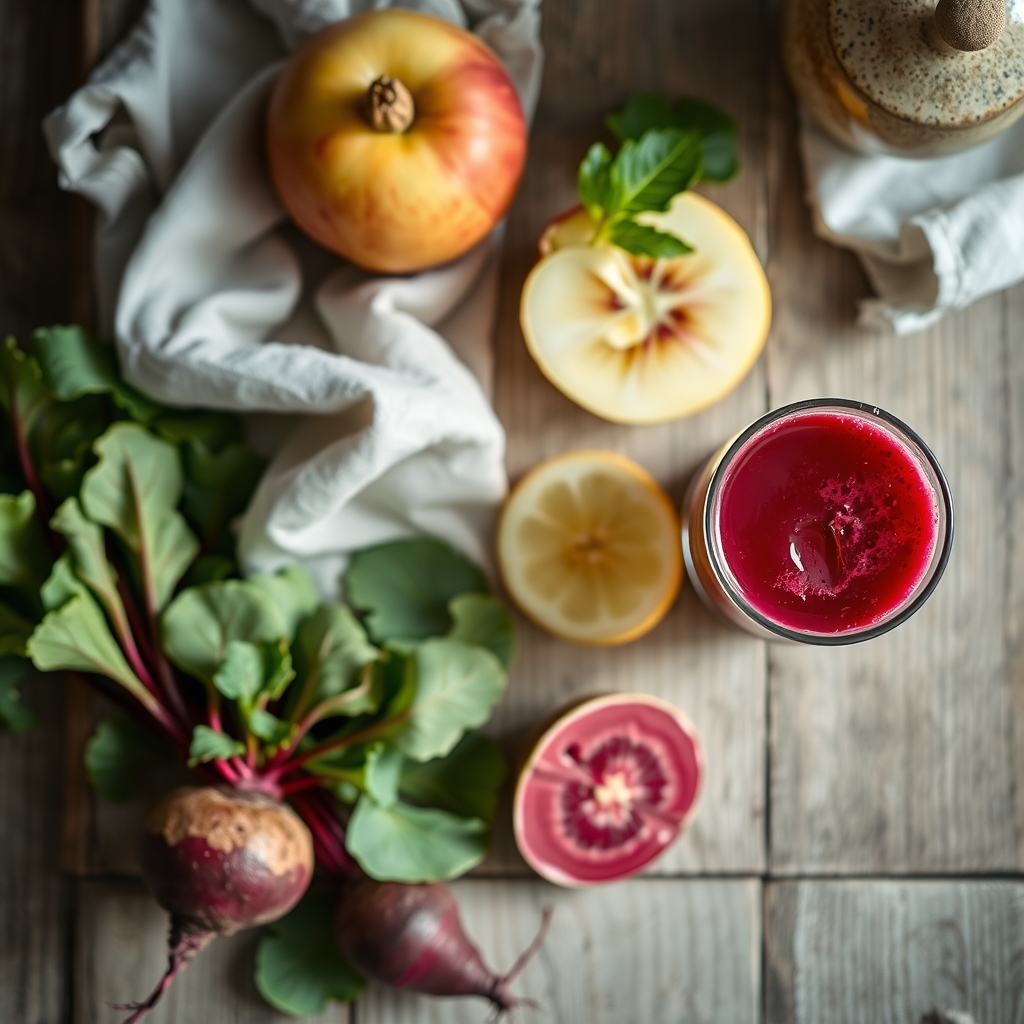
Beetroot juice has become a familiar sight in gyms and running clubs. Unlike many trendy drinks, it has been studied in a fair number of exercise trials, mostly because beetroot is rich in natural nitrate.
That does not make it a magic stamina drink. The benefits seen in studies are small, they do not appear in everyone, and they seem more likely in everyday exercisers than in elite athletes. This article explains what the research shows, how much juice was used, and who should be careful.
Why beetroot and nitrate?
Beetroot is one of the richest food sources of inorganic nitrate. Leafy greens and celery contain it too. Bacteria in your mouth and enzymes in your body turn nitrate into nitrite, which can then form nitric oxide, a compound that helps relax and widen blood vessels.
The idea is that wider blood vessels may help blood, oxygen and nutrients reach working muscles. Researchers also think nitrate may lower the amount of oxygen your muscles need for moderate effort. These are proposed mechanisms, not settled facts.
Simple Beetroot and Apple Juice
You need
- raw beetroots, scrubbed and trimmed2 medium (about 250 g / 9 oz)
- apple, cored1 medium
- fresh lemon juice15 ml (1 tbsp)
- fresh ginger1 small slice (optional)
- cold water100 ml (about 1/2 cup)
Method
- Scrub the beetroots well under running water. Peeling is optional. Wear gloves if you want to avoid stained hands.
- Cut the beetroots and apple into small chunks.
- Put them in a blender with the lemon juice, ginger and water, and blend until very smooth.
- Pour through a fine sieve or nut-milk bag, pressing to get out as much juice as you can.
- Drink it fresh, ideally 2 to 3 hours before a workout if you want to follow the timing used in studies.
Tips
- If you have a juicer, use it instead of the blender and sieve, and skip the water.
- Store any leftover juice in a sealed jar in the fridge and drink it within 24 hours.
- Start with a small glass to see how your stomach handles it before a hard session.
What the evidence says
The NIH Office of Dietary Supplements describes the evidence as limited and conflicting, but growing. In many trials, beetroot juice improved endurance to varying degrees in runners, swimmers, rowers and cyclists during time trials or tests of how long they could keep going. Some studies found no benefit at all.
Benefits appear more likely in people who exercise recreationally than in elite athletes. Very little research has looked at strength or other short, intense efforts, and no studies have followed people for longer than several weeks.
Several major sports nutrition groups, including the American College of Sports Medicine, consider nitrate sources such as beetroot juice helpful for endurance in recreational athletes. Even so, expect a small edge at best, not a transformation.
How much and when, in studies
Most studies used about 500 ml (2 cups) of beetroot juice, taken once about 2.5 to 3 hours before exercise, or daily for up to 15 days. That supplied roughly 310 to 682 mg of nitrate, depending on the product.
In one small dose study of recreational cyclists, a medium dose of concentrated juice improved performance, while a lower dose did nothing and a higher dose added nothing extra. Effects may last up to 24 hours.
The nitrate content of homemade juice varies a lot with the beets you use, so you cannot match study doses exactly at home. Treat the recipe below as a tasty, nitrate-rich drink rather than a measured supplement.
Questions people ask
Will beetroot juice help me run faster?
It might help a little. Studies show small improvements in endurance in some recreational exercisers, but not in everyone, and less often in elite athletes.
Is eating beetroot as good as drinking the juice?
Whole beetroot contains nitrate too, but most studies used juice or juice concentrate. Research has also not shown whether beetroot powder can replace the juice.
Why did my urine turn pink?
That is beeturia, caused by the red pigments in beets. It is not a safety concern and passes once the beetroot has cleared your system.
Sources
- Dietary Supplements for Exercise and Athletic Performance - Health Professional Fact Sheet — NIH Office of Dietary Supplements
- Nitrates in food and medicine: What's the story? — Harvard Health
- Kidney stones - Symptoms and causes — Mayo Clinic
This article is for general information only and is not medical advice. Herbs can interact with medicines and health conditions. Talk to a doctor or pharmacist before trying a herbal remedy, especially if you are pregnant, breastfeeding, giving it to a child, or taking any medication.