Fresh Lemongrass Tea
Fresh lemongrass stalks make a bright, citrusy, caffeine-free tea in about 15 minutes. Here is how to prepare the stalks, brew a good pot, and what to know about safety.
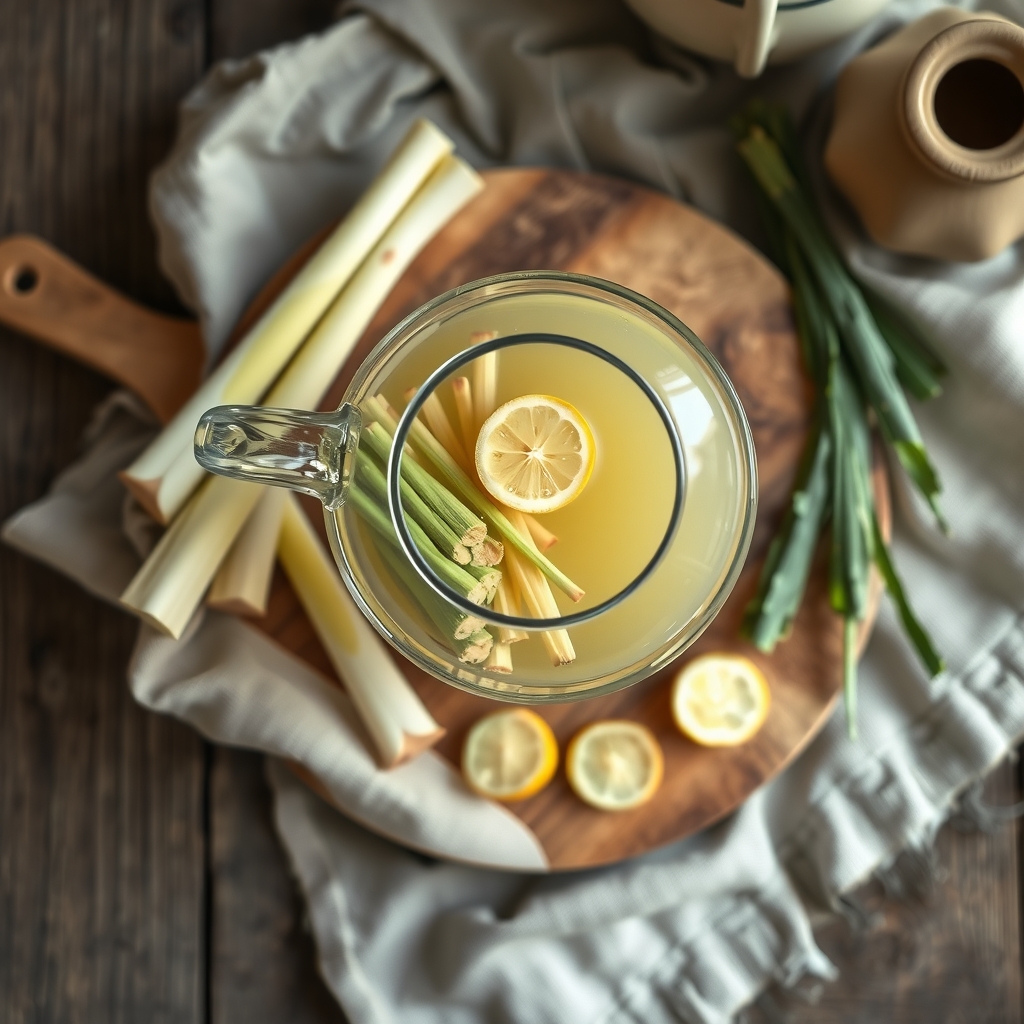
Lemongrass is the tall, pale green grass that gives many Southeast Asian soups and curries their fresh, lemony aroma. Steeped in hot water, the stalks make a light tea that tastes of citrus with a soft, grassy edge.
It is an easy everyday drink to make from stalks you can find in many supermarkets and Asian grocery stores. This guide shows you how to prepare fresh lemongrass, how to brew it hot or let it cool, and what the research says about its popular health claims.
Why people drink it
For most people, lemongrass tea is simply a pleasant, caffeine-free drink. If you find plain water dull, the NHS suggests flavoring it, for example with a slice of lemon or lime. A pot of lemongrass tea, hot or cooled, is another way to add flavor to your daily fluids without adding sugar.
Lemongrass also has a long folk reputation. Memorial Sloan Kettering Cancer Center lists traditional uses for calming, sleep, digestion and fighting germs. Most of those claims come from folk use and from lab or animal studies.
Fresh Lemongrass Tea
You need
- fresh lemongrass stalks2
- water500 ml (2 cups)
- fresh ginger2 thin slices (optional)
Method
- Rinse the stalks under running water. Trim the dry tops and root ends and peel off the tough outer layers.
- Bruise each stalk along its length with the back of a heavy knife, then cut into pieces about 2 to 3 cm (1 inch) long.
- Bring the water to a boil in a small pan. Add the lemongrass and ginger, if using.
- Lower the heat and simmer gently for 5 minutes, then turn off the heat, cover and leave to steep for another 5 minutes.
- Strain into cups and taste. Fresh lemongrass is naturally aromatic, so most people find it needs no sugar at all.
Tips
- For a cold version, let the strained tea cool, then refrigerate it within 2 hours and drink it within a day or two.
- Leftover stalks can be wrapped and frozen. They brew well straight from the freezer.
- A strip of lime zest added at the end makes the citrus flavor brighter.
What the evidence says
The evidence in people is limited. According to Memorial Sloan Kettering, clinical studies found that lemongrass tea did not reduce anxiety or have a calming effect. Animal studies suggest a sedative effect, but this has not been shown in humans.
Some small human studies have looked at lemongrass essential oil products for mouth and gum problems or fungal infections, but these are different from tea, and more research is needed.
So the fair summary is this: enjoy lemongrass tea for its flavor and as a way to drink more fluids, but do not expect it to calm anxiety, help you sleep or treat an illness.
How to choose and prepare fresh stalks
Look for firm, heavy stalks that are pale green to cream at the bottom, with no dry, brown or slimy patches. They should smell lemony when you scratch the outer layer with a fingernail.
The CDC advises rinsing fresh produce under running water before you prepare it. Then trim off the dry top and the woody root end, peel away one or two tough outer layers, and bruise the stalk with the back of a knife before slicing. Bruising helps release the aroma into the water.
Questions people ask
Can I use dried lemongrass instead of fresh?
Yes. Dried, cut lemongrass works well, though the flavor is milder and more hay-like. Use about 1 to 2 teaspoons per 250 ml (1 cup) of water and steep for 5 to 10 minutes.
Does lemongrass tea help with anxiety or sleep?
There is no good evidence that it does. Clinical studies found lemongrass tea did not reduce anxiety or have a calming effect. It is best enjoyed as a tasty caffeine-free drink.
How much lemongrass tea is it fine to drink?
A cup or two a day is a sensible amount for most healthy adults. Very large amounts over a long time may affect the kidneys, and you should avoid it if you are pregnant.
Sources
- Lemongrass — Memorial Sloan Kettering Cancer Center
- Water, drinks and your health — NHS
- Four Steps to Food Safety — CDC
This article is for general information only and is not medical advice. Herbs can interact with medicines and health conditions. Talk to a doctor or pharmacist before trying a herbal remedy, especially if you are pregnant, breastfeeding, giving it to a child, or taking any medication.