Herbs That Can Harm the Liver: What to Know
Your liver does important work every day, and a few popular herbal supplements have been linked to liver injury. Here is what the evidence shows and how to protect yourself.
Many people choose herbal supplements because they feel gentler than medicines. Some are even sold as support for the liver. But natural does not always mean safe, and a small number of popular herbal products have been linked to liver injury.
This does not mean you need to fear the herbs in your kitchen. The concern is mostly with concentrated supplements: capsules, tablets and extracts that deliver far more than you would get from food or a cup of tea. Here is what is known about four well-known examples, and the steps that keep you safer.
Four supplements linked to liver injury
Green tea extract. NCCIH reports no safety concerns for adults drinking green tea as a beverage. Liver injury is uncommon, but it has been reported in some people using green tea products, mainly extracts in tablet or capsule form. People with a particular variant of an immune-related gene seem to be more at risk, and NCCIH says 5 to 15 percent of Americans carry it.
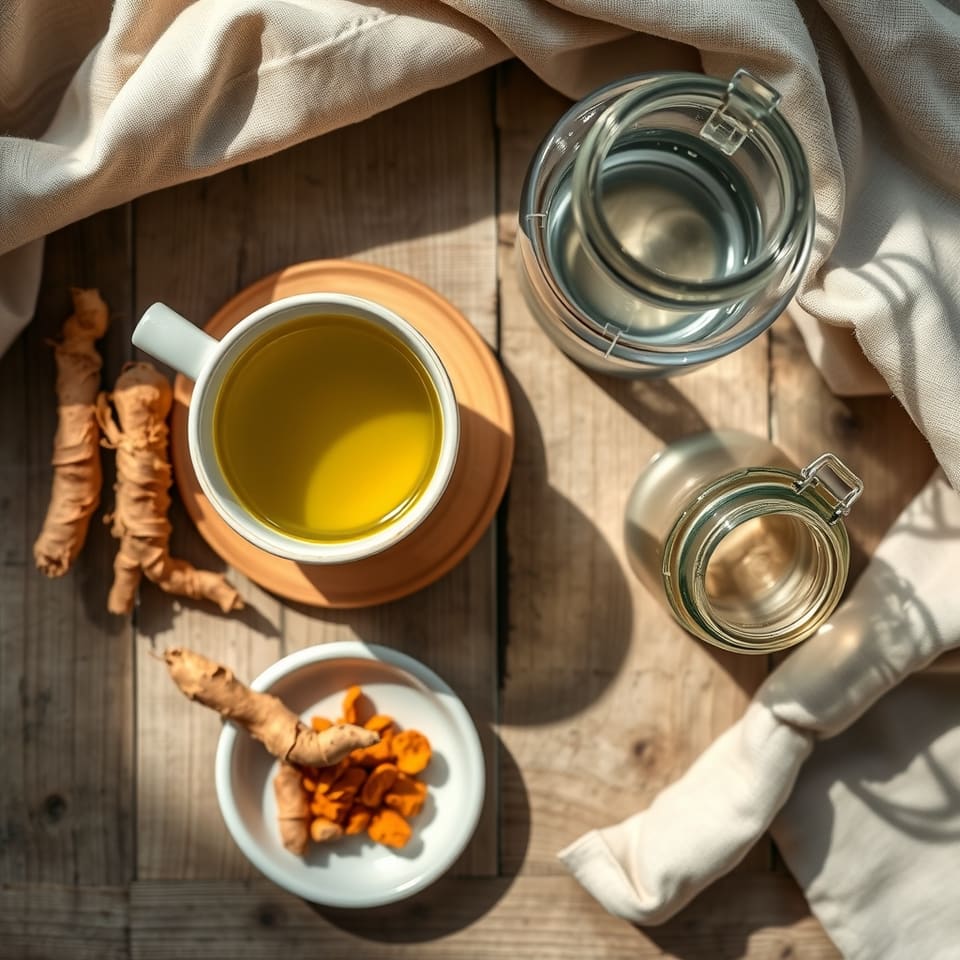
Turmeric and curcumin. Turmeric as a spice in food is a normal part of many diets. NCCIH warns that liver damage has been reported in some people taking curcumin products, and that formulas designed to be absorbed more easily may harm the liver. Many of these combine curcumin with piperine from black pepper to boost absorption.
Ashwagandha. This root has become a popular supplement. NCCIH says liver injury is rare but that a number of cases have been linked to ashwagandha supplements. It may be safe for up to 3 months, but its long-term safety is not known.
Kava. In 2002 the US Food and Drug Administration issued a consumer advisory that kava supplements may be linked to severe liver injury. The Office of Dietary Supplements notes the FDA cited more than 25 reports from other countries, including hepatitis, cirrhosis and liver failure, and a US case of a previously healthy young woman who needed a liver transplant.
What the evidence says
NCCIH describes liver injury from green tea extract as uncommon and from ashwagandha as rare. The trouble is that it is hard to know in advance who will react. In the case of green tea, a person's genes appear to play a part.
Across these examples, the liver reports involve concentrated supplements, not normal food amounts. A cup of green tea or turmeric in a curry is very different from capsules taken every day. This is worth remembering when a product is sold as a way to support or cleanse the liver: a concentrated herbal supplement is not automatically kind to it.
Warning signs of a liver problem
NCCIH lists the signs to watch for with turmeric and curcumin products, and they apply to liver injury in general: tiredness, nausea, poor appetite, dark urine and yellowing of the skin or the whites of the eyes (jaundice).
If you notice any of these while taking a supplement, stop taking it and contact your doctor. Bring the bottle with you so they can see exactly what is in it.
Step by step: using herbal supplements more safely
Step 1: Before you start any herbal supplement, talk to your doctor or pharmacist, especially if you take medicines. NCCIH notes that some herbs and medicines interact in harmful ways.
Step 2: Prefer food and tea amounts. Enjoying green tea as a drink or turmeric in cooking is not the same as taking a concentrated extract.
Step 3: Be cautious with products described as high strength, extra absorbable or enhanced, and with blends that contain many ingredients, because it is harder to know what you are taking.
Step 4: Keep a list of everything you take, including teas, powders and vitamins, and share it at every medical appointment.
Step 5: Learn the warning signs above, and stop the product and call your doctor if they appear.
Questions people ask
Is drinking green tea bad for my liver?
NCCIH reports no safety concerns for adults drinking green tea as a beverage. The liver reports involve mainly concentrated extracts in tablets or capsules.
Is turmeric in food safe?
Turmeric used as a spice in cooking is a normal food amount. The liver reports involve curcumin supplements, especially formulas made to be absorbed more easily.
How long can I take ashwagandha?
NCCIH says it may be safe for up to 3 months, but its long-term safety is not known. Ask your doctor before using it, and stop if you notice any warning signs.
Sources
- Green Tea — NCCIH
- Turmeric — NCCIH
- Ashwagandha — NCCIH
- Kava — NIH Office of Dietary Supplements
This article is for general information only and is not medical advice. Herbs can interact with medicines and health conditions. Talk to a doctor or pharmacist before trying a herbal remedy, especially if you are pregnant, breastfeeding, giving it to a child, or taking any medication.