Ginger Tea Side Effects: Who Should Be Careful
Ginger is an everyday kitchen spice and usually well tolerated, but it is not right for everyone in every amount. Here is who should take care with ginger tea and supplements, from blood thinners to gallstones, pregnancy and surgery.
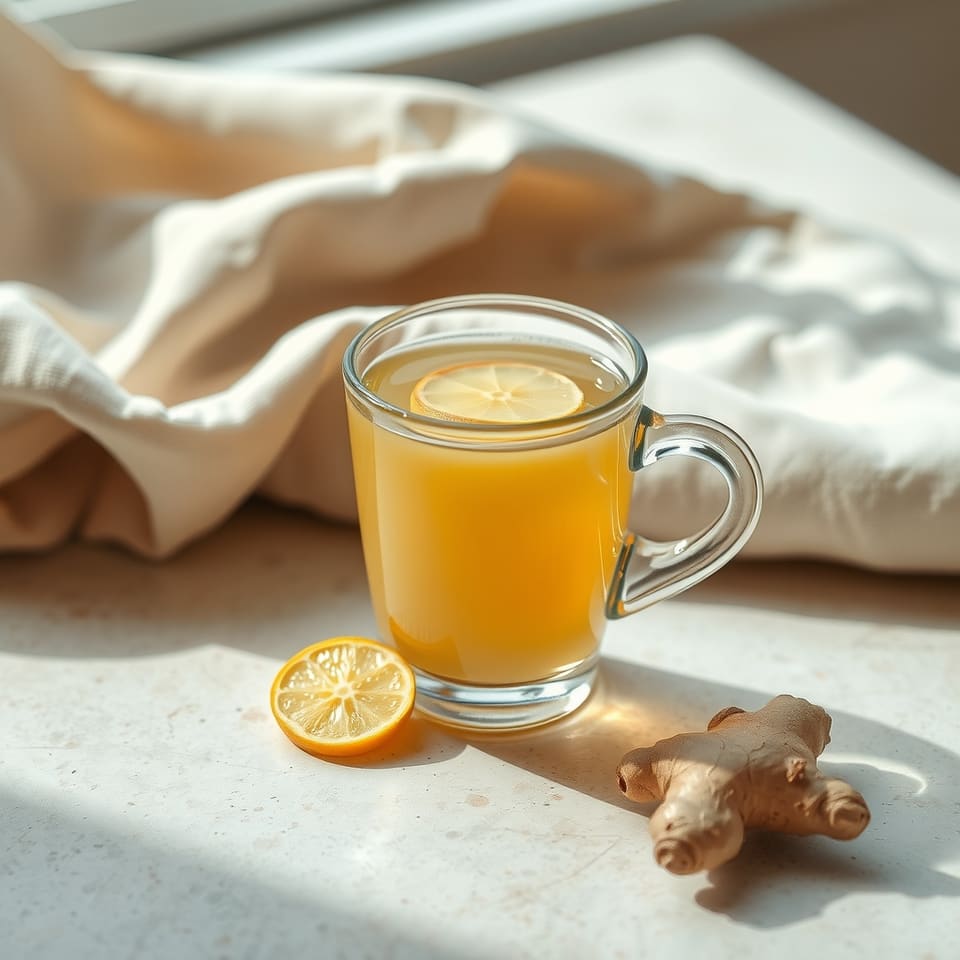
Ginger tea has a reputation as one of the gentlest home remedies, and for most adults a cup made from a few slices of fresh root is an ordinary part of the diet. But ginger is also sold as capsules, extracts and strong shots, and that is where most of the safety questions begin.
Here are the side effects reported in research, the people who should be more careful, and how herbal-medicine amounts compare with everyday cooking. It is not a reason to fear ginger, just a guide to using it sensibly.
Common side effects
The US National Center for Complementary and Integrative Health (NCCIH) says ginger has been used safely in many research studies in which people took it by mouth as a supplement. When side effects do happen, they are usually digestive: abdominal discomfort, heartburn, diarrhea, and irritation of the mouth and throat.
The European Medicines Agency (EMA), in its 2025 review of ginger as a herbal medicine, lists stomach upset, belching, indigestion, heartburn and nausea as common, affecting between 1 in 100 and 1 in 10 users. Allergic reactions can occur, but how often is not known. If ginger tea gives you heartburn, making it weaker or stopping it are sensible first steps.
A Mild Ginger Tea
You need
- water, just off the boil250 ml (1 cup)
- thin slices of fresh ginger, from a piece about 2 cm (3/4 inch) long3 to 4
- lemon, optional1 thin slice
Method
- Wash the ginger and cut it into thin slices. There is no need to peel it.
- Put the slices in a mug and pour over the hot water.
- Cover the mug and leave it to steep for 5 to 10 minutes.
- Remove the slices, add the lemon if you like, and let the tea cool until it is comfortable to sip.
Tips
- If you notice heartburn or an upset stomach, use fewer slices, steep it for less time, or stop.
- A cup like this is an everyday food amount, not a supplement dose.
Ginger in food versus supplements
There is an important difference between ginger in food and ginger as a concentrated product. Many of the warnings from Memorial Sloan Kettering Cancer Center (MSKCC) are written specifically about ginger supplements rather than ginger used in cooking. MSKCC also notes, though, that eating fresh ginger in high doses can have blood-thinning effects, so very large daily amounts are not risk-free either.
For reference, the EMA monograph gives traditional medicinal amounts for adults of 0.25 to 1 g of powdered ginger three times a day, for uses such as cold symptoms or loss of appetite, and 1 to 2 g taken an hour before travel for motion sickness. It does not recommend most of these uses for anyone under 18, although it gives a smaller traditional travel-sickness dose from age 6.
None of the sources we checked set an official upper limit for ginger eaten as food. If you are considering capsules, extracts or a daily strong shot, check with a pharmacist first.
Who should be careful
Blood thinners and bleeding disorders. MSKCC warns that ginger supplements may increase bleeding risk when combined with anticoagulants such as warfarin, antiplatelet drugs or anti-inflammatory painkillers (NSAIDs). It describes a case report of fatal bleeding in an 80-year-old man taking a blood thinner, linked to a boiled ginger and cinnamon drink he had taken a few days earlier, and advises people with bleeding disorders to avoid ginger supplements.
Surgery. Because of the possible bleeding risk, MSKCC says ginger supplements should be stopped 2 weeks before surgery. Tell your surgical team about any herbal products you use.
Gallstones. MSKCC notes that ginger supplements may increase the flow of bile and should be avoided by people with gallstones.
Diabetes and transplant medicines. MSKCC says ginger supplements may lower blood sugar further in people using insulin or other blood-sugar-lowering medicines, and may raise blood levels of tacrolimus, a transplant medicine, although it notes the clinical importance of both is not known.
Pregnancy and breastfeeding. Here the sources differ. NCCIH says ginger may help pregnancy nausea and that supplements may be safe in pregnancy, but advises talking to a health care provider first. The EMA says data from roughly 300 to 1,000 pregnancies showed no harm to the baby, yet prefers that ginger medicines be avoided in pregnancy as a precaution, and does not recommend them while breastfeeding. MSKCC advises avoiding ginger supplements in both.
What the evidence says
The evidence on ginger interactions is limited and not consistent. The EMA's 2025 monograph lists no known interactions, while MSKCC lists several possible ones as precautions. That is why most advice is cautious and focuses on supplements: treat strong ginger products like a medicine, and mention them to your doctor or pharmacist.
NCCIH also notes that some ginger studies have not been of high quality and that most of the nausea studies tested supplements rather than foods. So there is little reason to take concentrated ginger just in case.
Questions people ask
Can ginger tea cause heartburn?
Yes, it can. Both NCCIH and the EMA list heartburn among the more common side effects of ginger. A weaker cup may suit you better, and if the heartburn continues, stop drinking it.
Is ginger tea safe if I take warfarin?
Ask your doctor first. MSKCC warns that ginger supplements may increase bleeding risk with blood thinners. Your doctor or anticoagulation clinic can tell you whether an occasional mild cup is fine for you.
Do I need to stop ginger before surgery?
MSKCC advises stopping ginger supplements 2 weeks before surgery because of the possible bleeding risk. Mention any ginger tea or shots to your surgical team too.
Sources
- Ginger: Usefulness and Safety — NCCIH
- Ginger — Memorial Sloan Kettering Cancer Center (About Herbs)
- European Union herbal monograph on Zingiber officinale Roscoe, rhizoma (Revision 1) — European Medicines Agency
This article is for general information only and is not medical advice. Herbs can interact with medicines and health conditions. Talk to a doctor or pharmacist before trying a herbal remedy, especially if you are pregnant, breastfeeding, giving it to a child, or taking any medication.