Fenugreek Seed Tea: Uses, Smell and Cautions
Fenugreek seeds brew into a warm, nutty tea with an unmistakable maple-syrup aroma. It is an old kitchen remedy, but it comes with more cautions than most herbal teas.
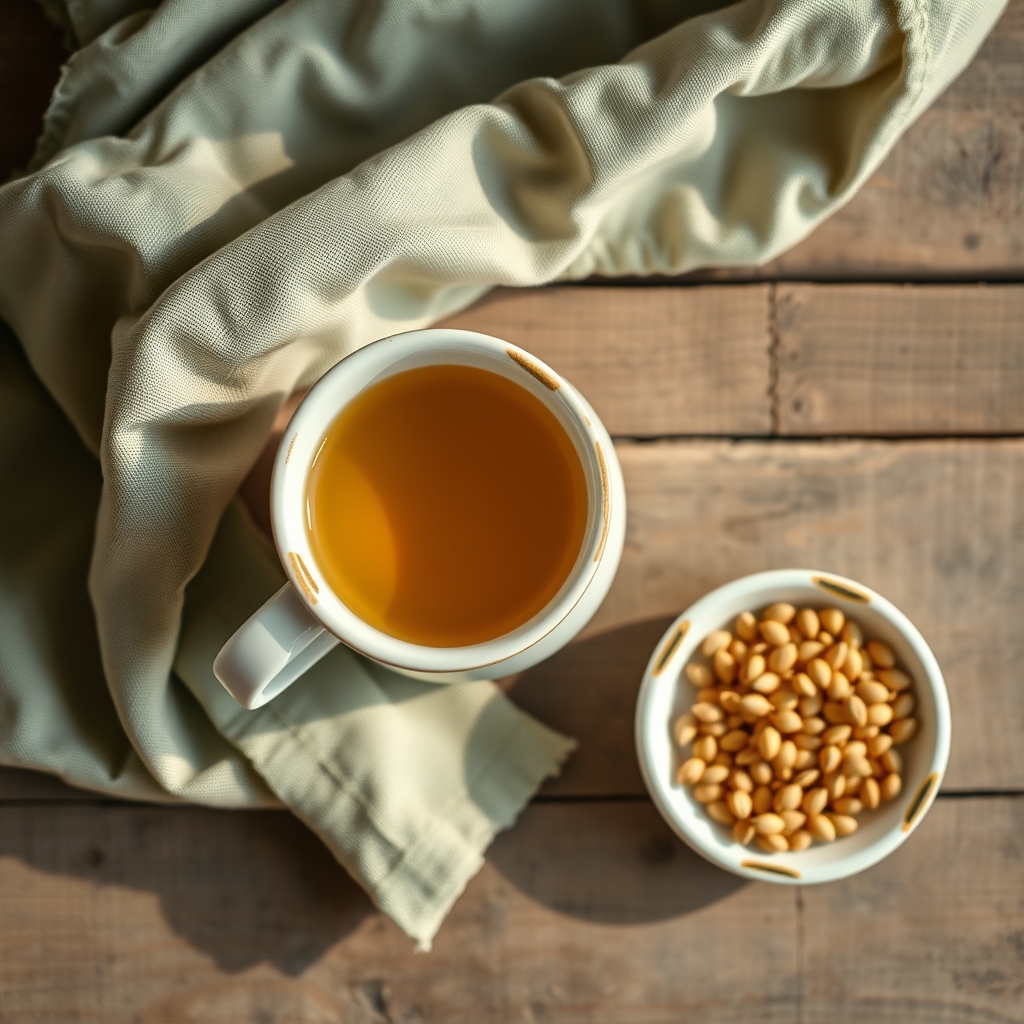
Fenugreek is a clover-like plant from the Mediterranean, southern Europe and western Asia. Its small, hard, golden seeds have been used as a spice and a traditional remedy for thousands of years, and they are a familiar ingredient in curries and spice blends.
Steeped in hot water, the seeds make a mellow tea. Before you try it, it is worth knowing what fenugreek is used for, how thin the evidence is, and why some people should skip it altogether.
Why people drink fenugreek tea
Over the centuries fenugreek has been used for many purposes, from digestion to menstrual cramps and boosting breast milk. Today it is mostly promoted for blood sugar control, period pain and milk supply.
In Europe, the European Medicines Agency recognizes fenugreek seed as a traditional herbal medicine for a temporary loss of appetite in adults. This is based on long-standing use rather than clinical trials. If your poor appetite lasts more than two weeks, see a doctor.
Fenugreek Seed Tea
You need
- freshly boiled water250 ml (1 cup)
- whole fenugreek seedsabout 3 g (1 level teaspoon)
- fresh ginger or lemon, optional1 thin slice
Method
- Lightly crush the seeds with a mortar and pestle or the back of a spoon to help release their flavor.
- Put them in a cup or small teapot and pour over the freshly boiled water.
- Cover and steep for 10 minutes.
- Strain, add ginger or lemon if you like, and let it cool until comfortably warm before sipping.
Tips
- Toasting the seeds in a dry pan for a minute before crushing gives a deeper, nuttier flavor. Do not let them darken too much, or the tea turns bitter.
- Drink it before a meal, as described in the European monograph.
That maple-syrup smell
Fenugreek seeds smell and taste a lot like maple syrup, which is why they are used to flavor some foods and drinks. The tea carries the same sweet, toasty scent.
The compound behind the smell, sotolone, can pass into urine. Memorial Sloan Kettering notes that this has led to babies being wrongly suspected of having maple syrup urine disease, a rare inherited condition. If you are caring for a newborn and fenugreek is in your diet or your baby's, mention it to the doctor.
What the evidence says
According to the US National Center for Complementary and Integrative Health, some studies suggest fenugreek may lower blood sugar in people with type 2 diabetes, but many of them were of poor quality. Evidence for menstrual cramps is limited and low quality, and studies on breast milk supply have mixed results.
For most other uses there is too little research to say anything. In short, fenugreek tea may be a pleasant warm drink, but it is not a proven treatment for any condition.
How much is reasonable
The European herbal monograph describes 1 to 6 g of seed a day, infused in 250 ml of boiling water and taken before meals, for adults only. The recipe below uses about 3 g, toward the low end of that range.
Fenugreek is considered safe in the amounts found in food. Larger amounts are possibly safe for adults, but they can cause digestive upset, and very large doses may drop blood sugar too far.
Questions people ask
Can fenugreek tea increase breast milk?
Studies are mixed, so it is uncertain. The European monograph advises against fenugreek during breastfeeding, so talk to your doctor or a lactation specialist about other options.
Will fenugreek make me smell like maple syrup?
The seeds contain a maple-scented compound that can pass into urine. Tell your doctor if you are having urine tests or caring for a newborn, since it has caused mix-ups in babies.
Can I use fenugreek tea instead of my diabetes medicine?
No. Some studies suggest a modest effect on blood sugar, but many were poor quality. Fenugreek can also make blood sugar drop too far when combined with medicine.
Sources
- Fenugreek — NCCIH
- Fenugreek — Memorial Sloan Kettering Cancer Center
- Trigonellae foenugraeci semen - herbal medicinal product — European Medicines Agency
- European Union herbal monograph on Trigonella foenum-graecum L., semen — European Medicines Agency
This article is for general information only and is not medical advice. Herbs can interact with medicines and health conditions. Talk to a doctor or pharmacist before trying a herbal remedy, especially if you are pregnant, breastfeeding, giving it to a child, or taking any medication.