Clove Tea: Flavor, Tradition and Safety Limits
A few whole cloves make a warming, spicy tea with a long history in kitchens and folk medicine. Here is how to brew it gently, what the evidence shows, and the limits that really matter.
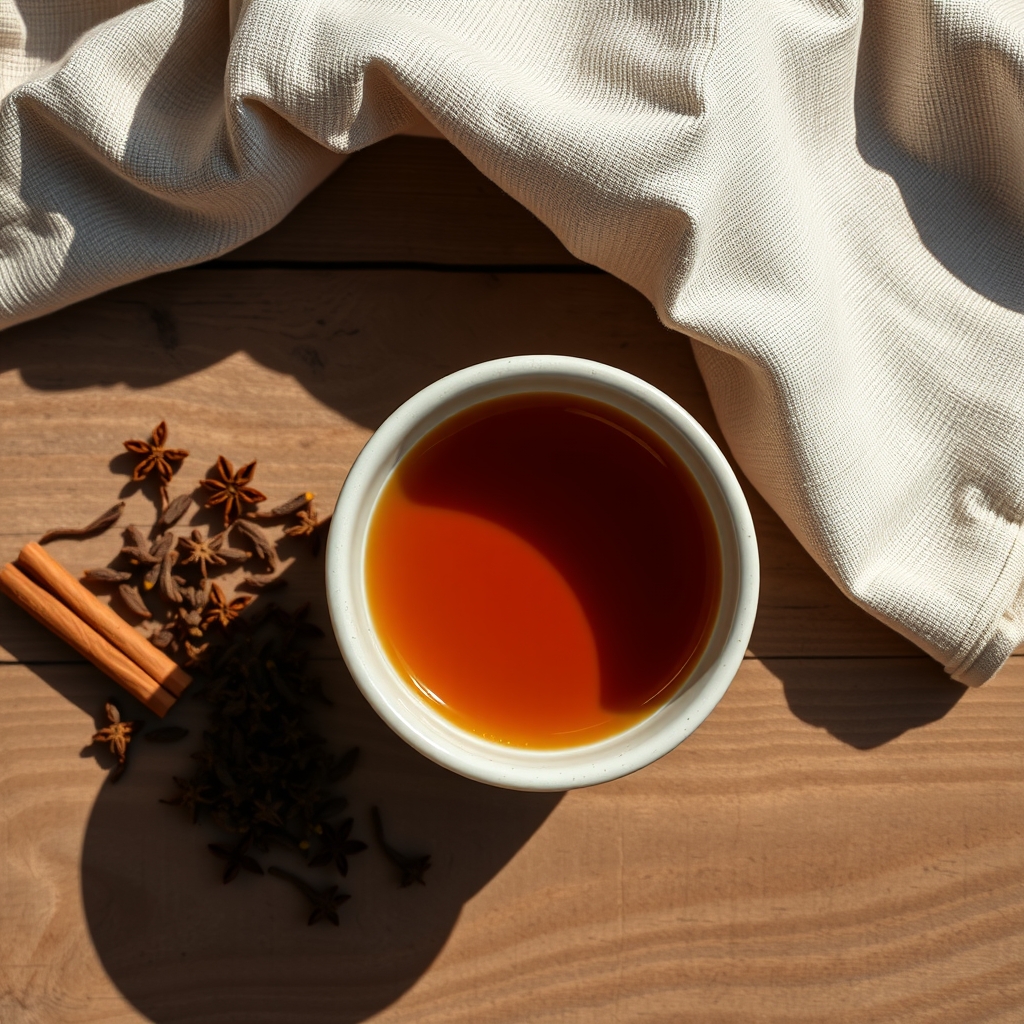
Cloves are the dried flower buds of a tropical tree, and their warm, sweet, pungent flavor is familiar from mulled wine, spiced cakes, and holiday hams. A few buds simmered in water make a simple, aromatic tea.
Cloves are also a good lesson in how dose and form change everything. The whole spice is a common food, but concentrated clove oil can be dangerous if swallowed. Here is how to enjoy clove tea safely and what the science actually says.
Traditional uses
According to a European Medicines Agency assessment, cloves have traditionally been boiled into a drink for indigestion, wind, and diarrhea. A single clove held against a sore tooth is another old home remedy, and clove oil is still found in some traditional toothache products in Europe.
Much of clove's character comes from eugenol, the main aromatic compound in clove oil. Eugenol is also what makes the oil plausible for its traditional mouth uses, and what makes it risky in large amounts.
Gentle Clove Tea
You need
- whole dried cloves3 to 4
- cold water300 ml (1 1/4 cups)
- cinnamon stick or a slice of fresh ginger1 small piece (optional)
- honey, for adults and children over 12 months only1 teaspoon (optional)
Method
- Lightly crack the cloves with the flat of a knife to release their flavor.
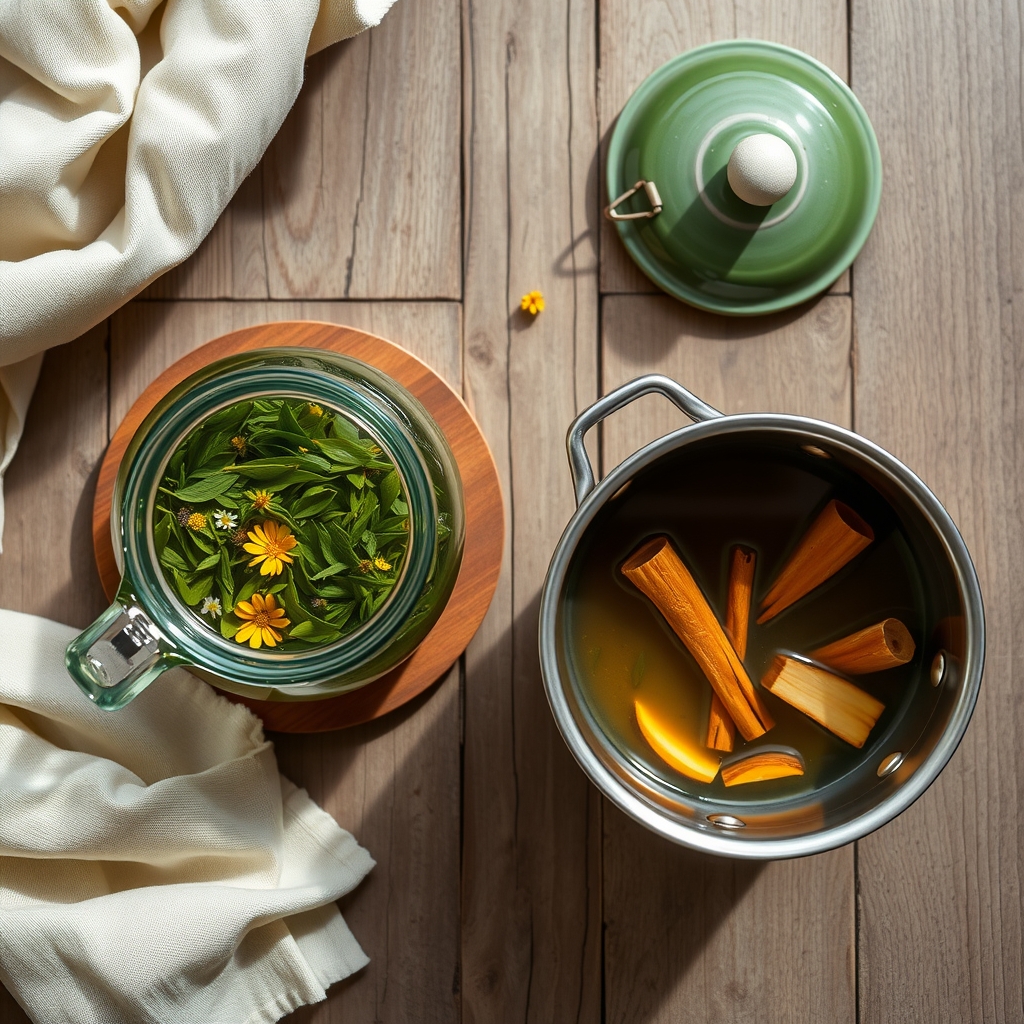
- Put the cloves, water, and cinnamon or ginger in a small pan.
- Bring to a boil, then lower the heat and simmer gently for 5 to 10 minutes. The water will turn light amber.
- Strain into a cup, let it cool until comfortable to sip, and sweeten lightly if you like.
- Keep to one or two cups a day as an occasional drink, not a daily remedy.
Tips
- Cloves are strong. Start with three and add more next time only if you want a bolder flavor.
- A strip of orange peel and a few cloves make a warming winter blend.
- Whole cloves keep their flavor for a long time in a sealed jar away from light and heat.
What the evidence says
The evidence for drinking clove tea is weak. European regulators did not create an official herbal monograph for whole cloves, partly because no medicines in the EU contain cloves as their only ingredient, and they judged the toothache use to come from food tradition rather than medicine.
For clove oil, the agency recognized two traditional uses applied locally in the mouth: short-term relief of toothache from a cavity, and minor mouth or throat inflammation. It found very little clinical research, mainly one small trial of a clove gel for dental pain, so these uses rest on tradition and lab research rather than proof.
None of this shows that clove tea treats any illness. Treat it as a flavorful spice drink, and use modest amounts.
Why clove oil is different
Clove oil is highly concentrated eugenol. MedlinePlus warns that swallowing large amounts can cause serious harm, with breathing problems, nervous system effects, and liver failure among the main concerns. About 10 ml can cause serious effects in an adult, and much less in a child.
The European assessment describes infants and toddlers who became seriously ill, including with liver failure, after accidentally swallowing clove oil. Never add clove oil to tea or food, and keep it locked away from children. Undiluted oil can also irritate and damage the lining of the mouth.
Questions people ask
Can I put a drop of clove oil in my tea?
No. Clove oil is far too concentrated to swallow, even in small amounts, and children are especially at risk. Use whole cloves only.
Does clove tea help a toothache?
Clove has a traditional use for toothache, but the evidence is limited and it does not fix the cause. See a dentist.
Is it safe to drink clove tea every day?
There is no research on daily clove tea. Cloves are a common spice, but it is sensible to keep clove tea occasional and modest, especially if you take blood thinners.
Sources
- Caryophylli flos - herbal medicinal product — European Medicines Agency
- Assessment report on Syzygium aromaticum (L.) Merill et L. M. Perry, flos and Syzygium aromaticum (L.) Merill et L. M. Perry, floris aetheroleum — European Medicines Agency
- Public statement on Syzygium aromaticum (L.) Merill et L.M. Perry, flos — European Medicines Agency
- Eugenol oil overdose — MedlinePlus
This article is for general information only and is not medical advice. Herbs can interact with medicines and health conditions. Talk to a doctor or pharmacist before trying a herbal remedy, especially if you are pregnant, breastfeeding, giving it to a child, or taking any medication.