Caffeine in Tea Chart: Black, Green, Decaf and Herbal
From a strong breakfast cup to a pale green tea or a chamomile made with no tea leaves at all, the amount of caffeine you drink varies a lot. This chart puts the numbers side by side so you can plan your day.
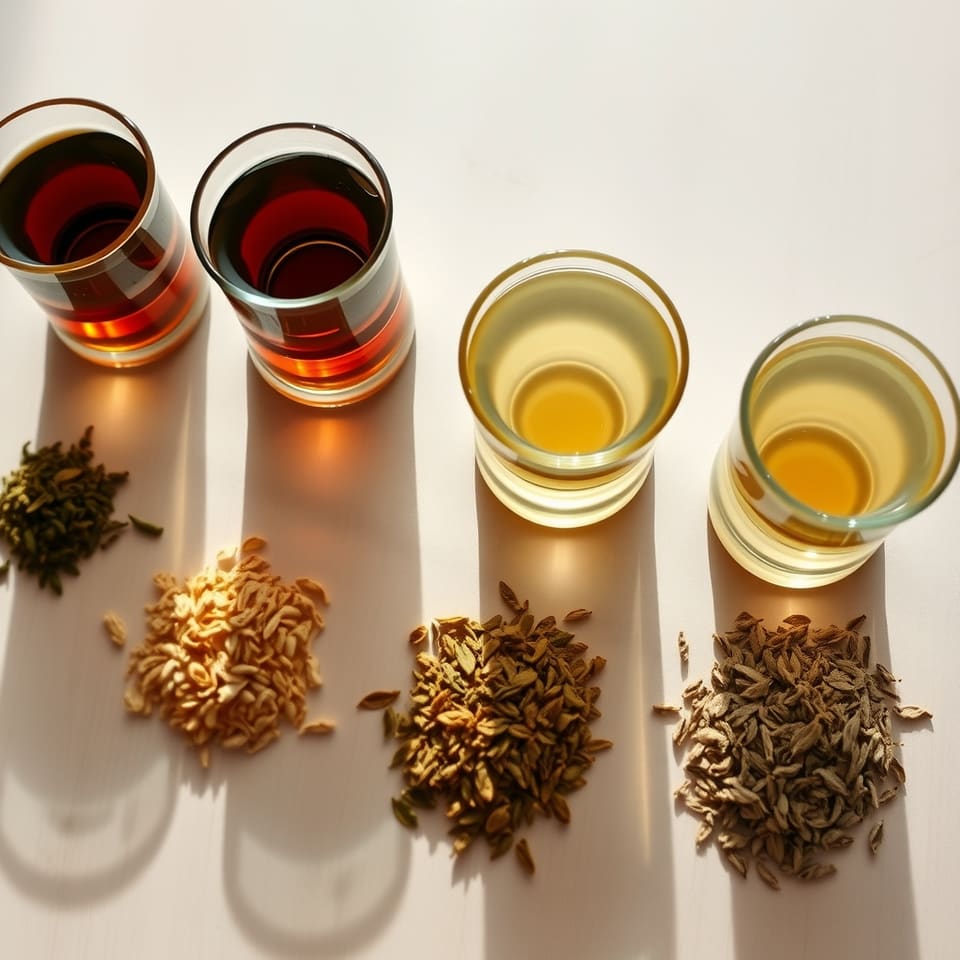
Tea is an everyday drink across the world, from strong milky black tea in Britain and India to green tea in Japan and China. Most of it contains caffeine, but much less than many people assume, and some popular cups are not made from tea leaves at all.
Knowing roughly how much caffeine is in each cup helps you enjoy tea without lying awake at night or going over a safe daily amount. Below are typical figures from health authorities, followed by what changes the number in your own mug.
The chart: typical caffeine per cup
These are average values for an 8-ounce (237 ml) cup, as listed by Mayo Clinic. Real cups can be higher or lower.
Brewed black tea: about 48 mg. Brewed green tea: about 29 mg. Bottled ready-to-drink black tea: about 26 mg. Brewed decaf black tea: about 2 mg.
For comparison, brewed coffee: about 96 mg. Instant coffee: about 62 mg. A single espresso of 30 ml (1 ounce): about 63 mg.
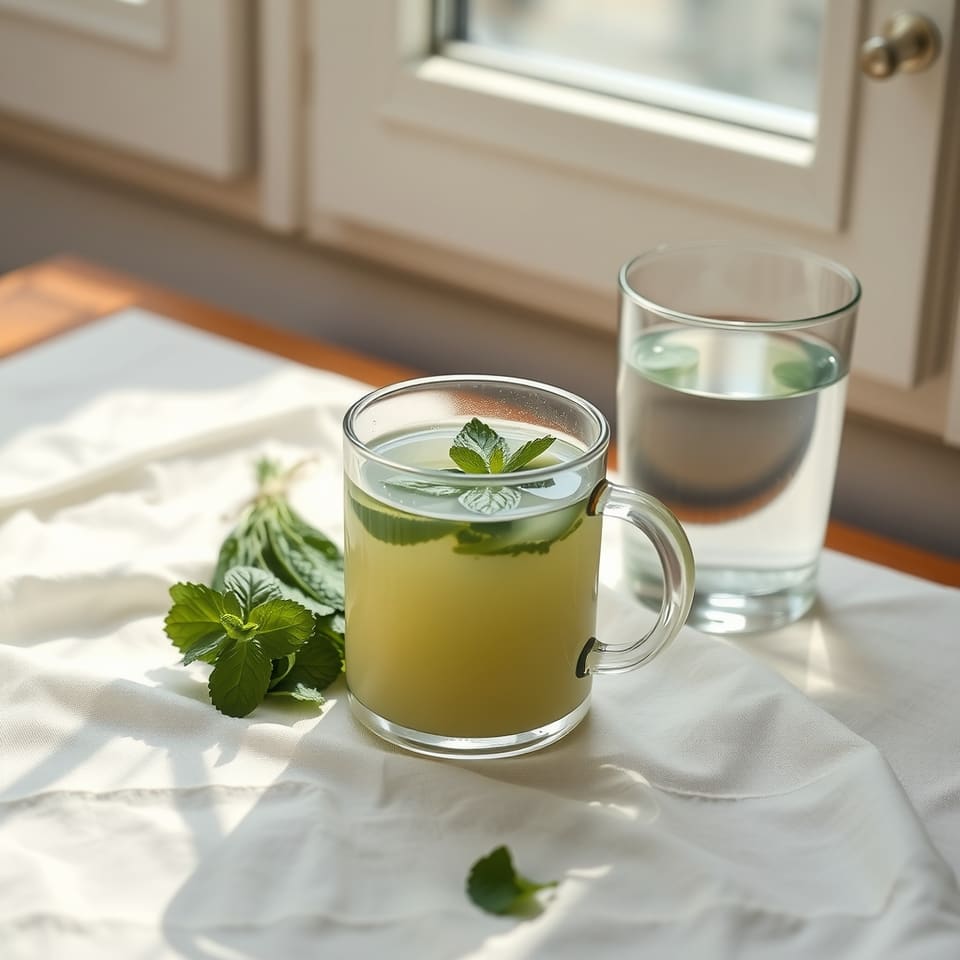
Herbal infusions made only from herbs such as chamomile, peppermint, lemon verbena or ginger, with no tea leaves added, are not made from the tea plant. EFSA lists tea leaves, coffee and cocoa beans, guarana berries and the kola nut as natural sources of caffeine, and these herbs are not among them. Check the label of blends, because some mix herbs with black or green tea.
Why your cup may differ
Mayo Clinic notes that caffeine in tea and coffee varies with how the plant is grown and how long it is brewed. A tea bag left in the mug for several minutes will usually give a stronger cup than one dipped briefly.
Cup size matters too. The FDA lists about 37 mg for a 12-ounce (355 ml) green tea and about 71 mg for the same size of black tea. A large café mug can easily hold that much.
Black, green and oolong teas all come from the same plant, Camellia sinensis, according to NCCIH. The difference is in processing, so a green tea is not automatically caffeine free, and decaf still contains a little. The FDA says decaf coffee and tea still contain some caffeine: an 8-ounce (237 ml) cup of decaf coffee typically has 2 to 15 mg.
What the evidence says
For most healthy adults, both the FDA and the European Food Safety Authority say up to 400 mg of caffeine a day is not generally linked with harmful effects. That is a lot of tea: roughly eight average cups of black tea, if it were your only source.
EFSA also says single doses of up to 200 mg are not a concern for healthy adults, and that during pregnancy up to 200 mg a day from all sources is not expected to harm the baby. The FDA advises anyone pregnant, trying to conceive or breastfeeding to ask their doctor whether to limit caffeine.
Sleep is where smaller amounts can matter. EFSA notes that a single 100 mg dose may affect sleep in some adults, especially close to bedtime. If you sleep badly, switch to herbal infusions from mid-afternoon.
How to use the chart in your day
Add up everything, not just tea. Coffee, cola and energy drinks all count toward the same daily total, and the FDA notes that sensitivity to caffeine varies from person to person.
If you want to cut down, try swapping one cup at a time: black to green, green to decaf, then decaf to an herbal infusion in the evening. Small, gradual changes are easier to keep up than giving everything up at once.
Questions people ask
Does green tea have less caffeine than black tea?
On average, yes. Mayo Clinic lists about 29 mg for a cup of green tea and about 48 mg for black tea, but brewing time and leaf amount can change this.
Is decaf tea completely caffeine free?
No. The FDA says decaf coffee and tea still contain some caffeine, for example 2 to 15 mg in an 8-ounce (237 ml) cup of decaf coffee. Mayo Clinic lists about 2 mg for a cup of brewed decaf black tea.
Which teas have no caffeine at all?
Look for infusions made only from herbs, flowers, roots or fruit, such as chamomile, peppermint or ginger, with no tea leaves added. EFSA lists tea leaves, not these plants, among the natural sources of caffeine. Always check the ingredient list of blends.
Sources
- Caffeine content for coffee, tea, soda and more — Mayo Clinic
- Spilling the Beans: How Much Caffeine is Too Much? — US Food and Drug Administration
- Caffeine — European Food Safety Authority
- Green Tea: Usefulness and Safety — NCCIH
This article is for general information only and is not medical advice. Herbs can interact with medicines and health conditions. Talk to a doctor or pharmacist before trying a herbal remedy, especially if you are pregnant, breastfeeding, giving it to a child, or taking any medication.